What Wearables Actually Track
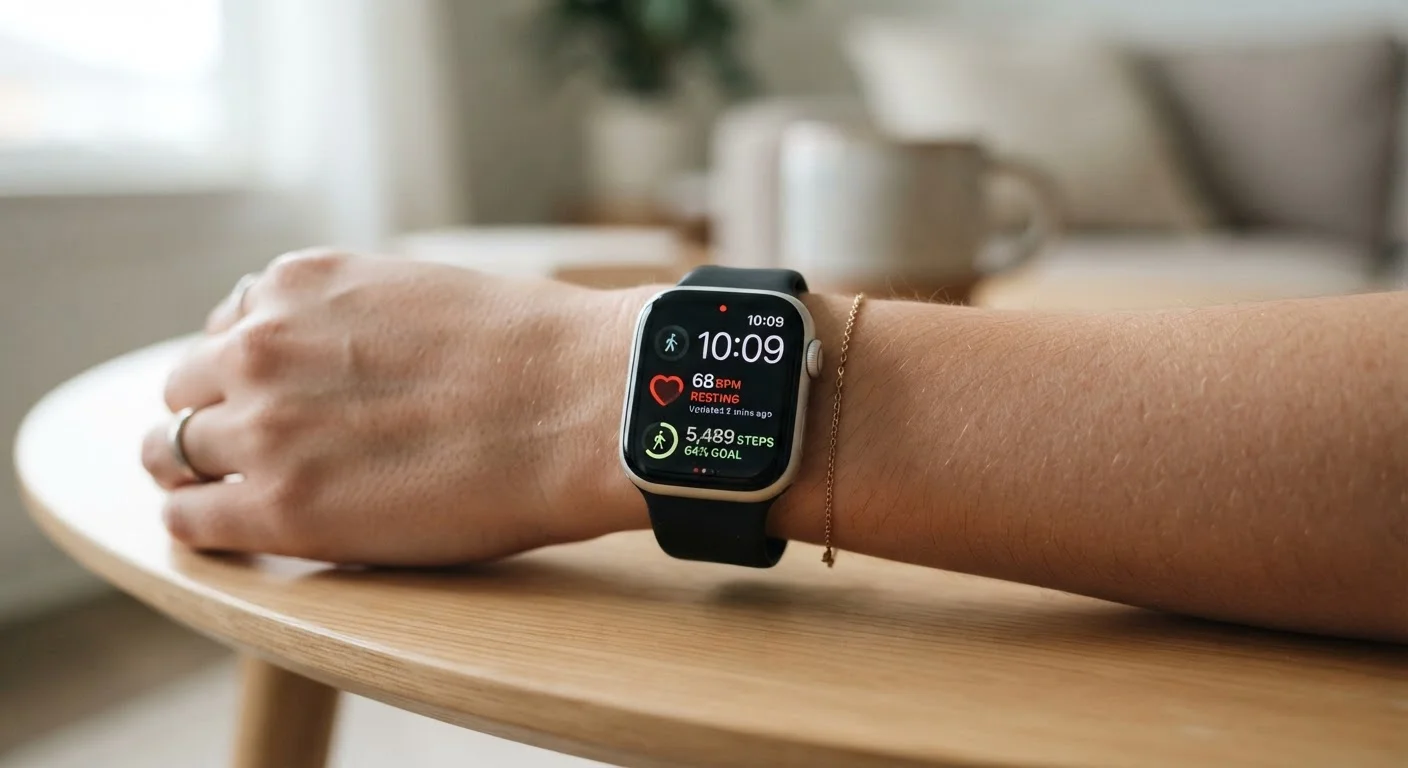
Consumer health wearables — including fitness bands and smartwatches — typically measure heart rate, movement, sleep patterns, blood oxygen levels, and skin temperature. Most use optical sensors and accelerometers to estimate these metrics rather than the clinical-grade instruments used in hospitals or research labs.
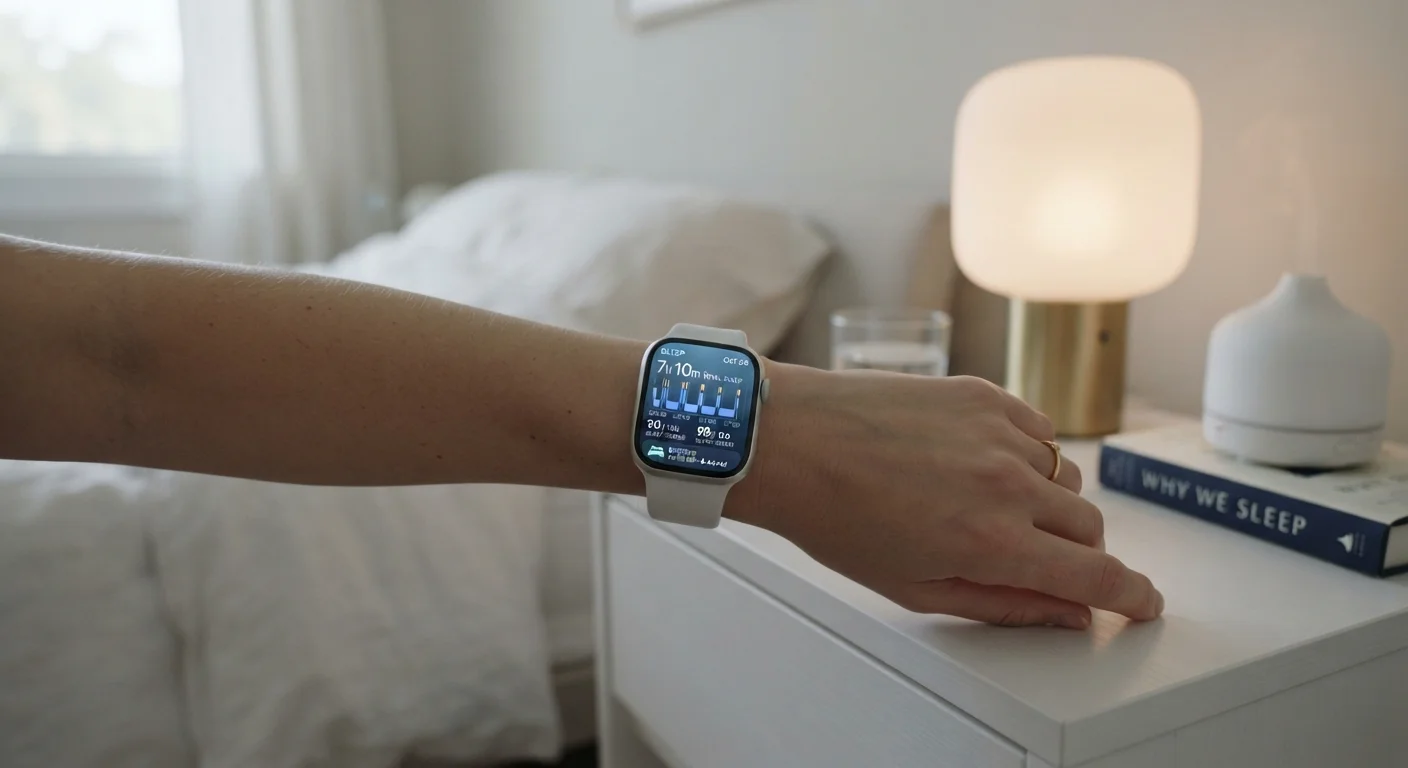
Understanding this distinction matters. A wearable counts steps by detecting wrist movement, estimates sleep stages based on motion and heart rate variability, and calculates calorie burn through algorithms that incorporate your entered height, weight, and age. Each layer of estimation introduces potential error. For a deeper look at what sleep data specifically can and cannot reveal, see Sleep Tracking Technology: What It Can and Cannot Tell You.
Wearables Are Not Medical Devices
Most consumer health wearables are classified as general wellness products, not FDA-cleared medical devices. This means their accuracy standards differ substantially from those required for clinical diagnostic tools. Some devices have received limited FDA authorization for specific features — such as ECG or irregular rhythm detection — but the broader suite of metrics (sleep, stress, calories) carries no such regulatory backing. Always interpret readings in that context.
The Case For Daily Tracking
Used thoughtfully, wearables offer genuine benefits supported by behavioral science.
Motivates more daily movement through real-time feedback
Seeing live step counts or activity reminders prompts users to move more throughout the day. Multiple studies support self-monitoring as a reliable behavioral lever for increasing physical activity.
Heart rate tracking supports safer exercise intensity
Optical heart rate monitors are reasonably accurate during steady-state aerobic activity, helping users gauge effort and avoid sustained over-exertion during workouts.
Trend data can surface patterns worth discussing with a doctor
Gradual changes in resting heart rate or activity levels over weeks may provide useful context for clinical conversations, particularly for patients managing cardiovascular or metabolic conditions.
Builds awareness of how lifestyle affects recovery
Seeing correlations between sleep duration, stress levels, and next-day metrics can help users connect daily behaviors to how they feel, supporting more intentional choices.
Research published in peer-reviewed journals consistently shows that self-monitoring increases physical activity levels. Seeing a running step count can prompt a short walk that otherwise would not happen. Heart rate data during exercise can help users avoid over-exertion or gauge whether they are working hard enough. For those managing cardiovascular risk factors under a doctor's supervision, trends in resting heart rate over weeks can be informative conversations to bring to appointments.
Wearables also make abstract health concepts tangible. Pairing device data with a structured self-review — like the approach outlined in Your Daily Health Habits: A Simple Self-Audit Checklist — can help users connect their numbers to their broader habits.
The Real Drawbacks of Constant Monitoring
Daily tracking is not without costs — and some are worth taking seriously.
Calorie estimates are frequently and significantly inaccurate
Research has found consumer wearable calorie calculations can deviate from actual expenditure by a wide margin, making them unreliable guides for nutrition or energy balance decisions.
Sleep staging data lacks clinical precision
Consumer devices infer sleep stages from movement and heart rate — not brain activity. This makes their REM and deep sleep readings directional at best, and potentially misleading for users who take them literally.
Can trigger anxiety or obsessive monitoring behavior
For some users, chasing daily score targets — especially sleep scores — creates stress that undermines the very health outcomes they are trying to improve.
Encourages misplaced confidence in non-clinical data
Users may interpret wearable alerts or readings as diagnostic information, delaying or avoiding appropriate medical care when a professional evaluation is actually needed.
Shifts focus from body signals to screen numbers
Relying heavily on device feedback can erode interoceptive awareness — the ability to notice and interpret how the body actually feels — which is itself an important health skill.
One of the more common concerns is what researchers sometimes call "orthosomnia" — a term describing anxiety about achieving a perfect sleep score that paradoxically worsens actual sleep quality. When users optimize for a device's algorithm rather than how their body actually feels, the tool is working against them.
Calorie expenditure is another notoriously imprecise metric. Studies have found that wearable calorie estimates can be off by 20–93% depending on the device and the activity. Basing food intake decisions on these figures carries real risk. For a related perspective, see The Pros and Cons of Tracking Food Intake for Weight Management.
There is also the broader pattern of numerical fixation. Tracking Exercise Progress Without Getting Obsessed With Numbers addresses this tension directly: metrics can shift focus from how movement feels to whether a number was hit.
Using Wearable Data More Wisely
The healthiest relationship with wearable data tends to be one of informed skepticism rather than blind trust or outright rejection.
20–93%
Potential error range in wearable calorie estimates
A Stanford University study examining multiple popular wearable devices found energy expenditure estimates deviated from measured values by this range depending on device and activity type.
~27%
U.S. adults who regularly use a fitness tracker
Pew Research Center surveys indicate roughly one in four American adults uses a wearable fitness tracker or smartwatch to monitor health metrics on a regular basis.
Treat metrics as directional signals over weeks and months, not precise daily readings. A single night of poor sleep data means far less than a consistent pattern across a month. Similarly, step goals like the widely cited 10,000-steps benchmark deserve context — as explained in Step Counts Decoded: What the Numbers on Your Tracker Actually Mean, that number originated from a marketing campaign, not a clinical threshold.
For individuals with heart conditions, diabetes, or other chronic health concerns, wearable data should be discussed with a physician rather than acted on independently. Devices are not cleared by the FDA to diagnose conditions, and alerts — such as irregular heart rhythm notifications — require professional follow-up, not self-treatment.
Building an active lifestyle does not require a device at all. Wearables are one tool among many, and knowing when to set the tracker aside is itself a form of health literacy.
This article is for general informational purposes only and does not constitute medical advice. Consult a qualified healthcare professional before making health decisions based on wearable data, especially if you have an existing medical condition.