What Each Metric Actually Measures
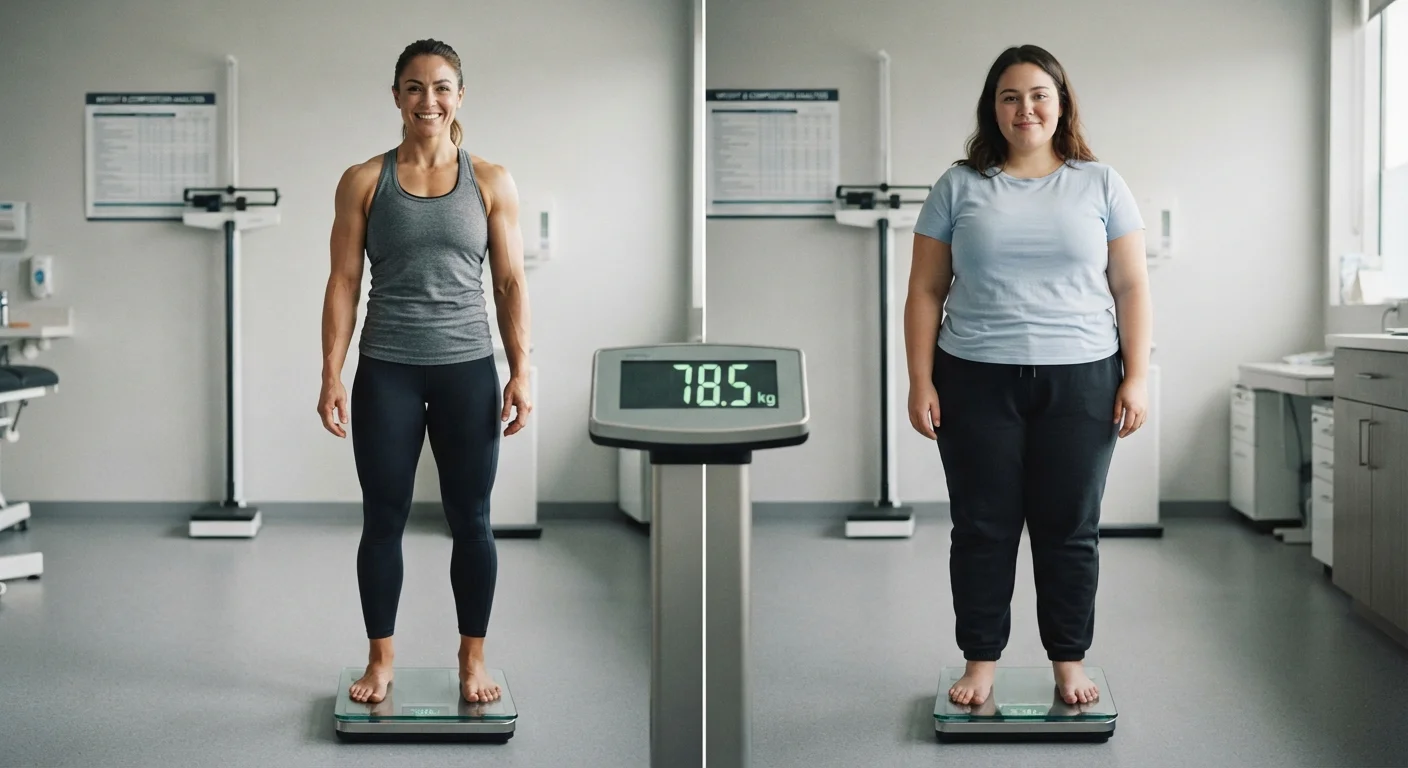
Body Mass Index is a ratio of weight in kilograms divided by height in meters squared. It was developed in the 19th century as a statistical descriptor of population body size — not as a clinical diagnostic tool. Because it relies entirely on total body weight, BMI cannot distinguish between fat mass, muscle mass, bone density, or fluid. Two people with identical BMI values can have dramatically different body compositions, a reality explored in depth in why two people can weigh the same and have completely different health profiles.
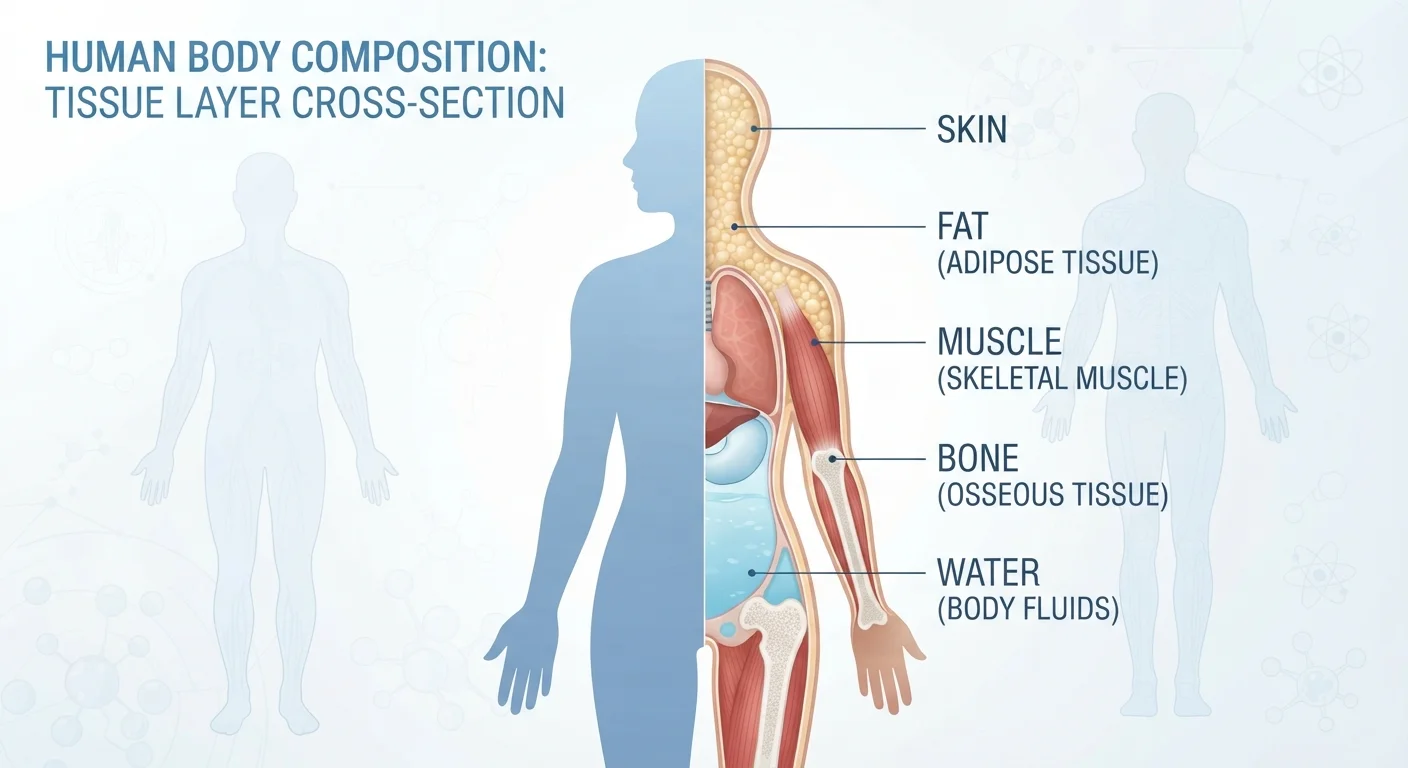
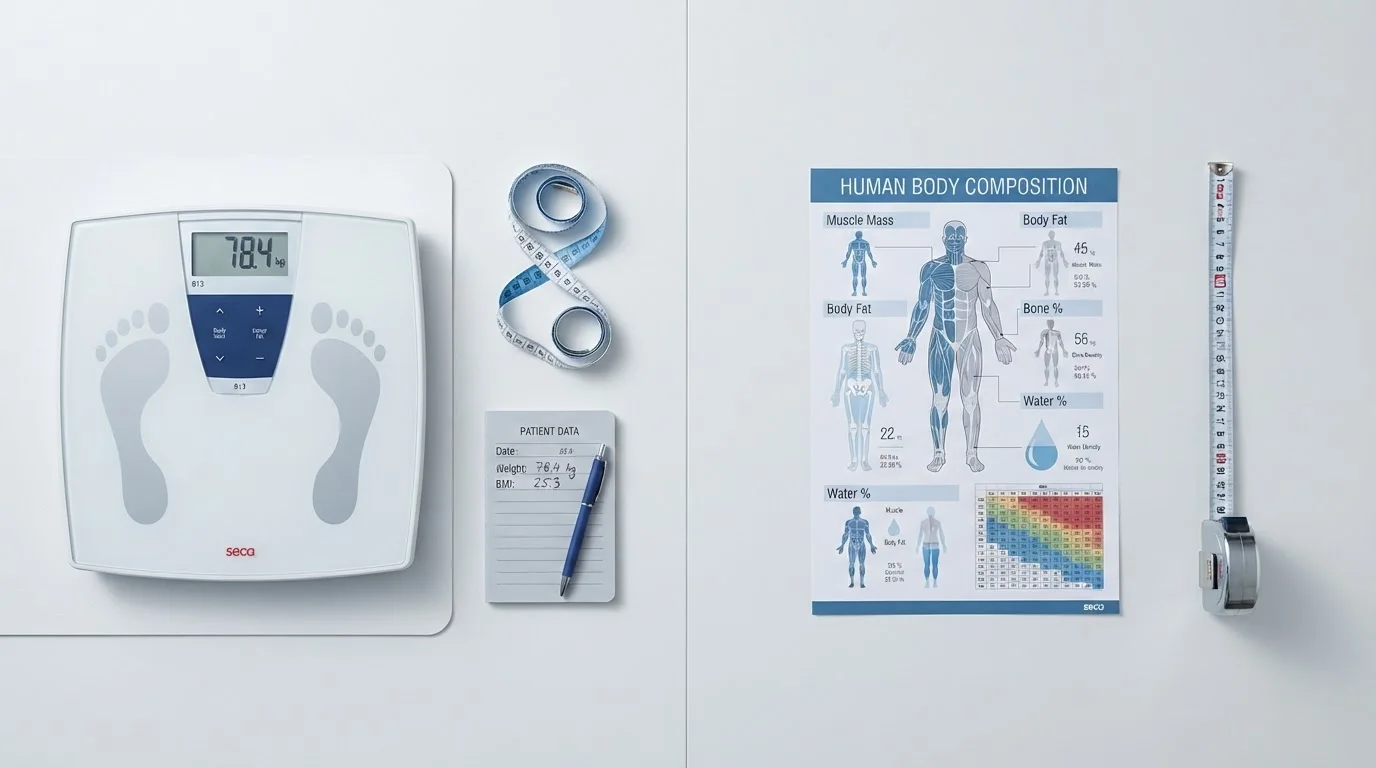
Body fat percentage, by contrast, directly quantifies the proportion of total body mass that is adipose (fat) tissue. Methods for measuring it include dual-energy X-ray absorptiometry (DEXA), hydrostatic (underwater) weighing, air displacement plethysmography, skinfold calipers, and bioelectrical impedance analysis (BIA). Each method carries its own margin of error, but all attempt to answer the same fundamental question: how much of you is fat? For a broader look at what these ratios reveal about functional health, see body composition, explained.
Where BMI Falls Short
BMI's core limitation is its inability to account for body composition. Research consistently shows that a condition called normal-weight obesity — having a BMI in the "healthy" range while carrying excess body fat and reduced muscle mass — is associated with metabolic risk factors including insulin resistance, elevated triglycerides, and cardiovascular disease markers. Conversely, trained athletes often register as "overweight" or even "obese" on the BMI scale because muscle tissue is denser than fat.
BMI also lacks sensitivity to fat distribution. Abdominal fat, particularly the visceral variety stored around internal organs, carries substantially higher health risk than fat stored beneath the skin. BMI is entirely blind to where fat sits in the body — a gap that waist circumference and body fat percentage help address. The plain-language reference on BMI, body fat percentage, and waist circumference explains how clinicians use these measures together.
| Criterion | Body Mass Index (BMI) | Body Fat Percentage |
|---|---|---|
| What it measures | Weight relative to height | Proportion of mass that is fat |
| Equipment needed | Scale and height measurement | DEXA, BIA, calipers, or other device |
| Cost and accessibility | Free, universally available | Varies: low (BIA) to high (DEXA) |
| Accuracy for muscular individuals | Poor — often misclassifies as overweight | Good — distinguishes muscle from fat |
| Detects fat distribution | No | No (quantity only, not location) |
| Age and sex adjustments | Limited (pediatric BMI adjusted) | Healthy ranges vary by sex and age |
| Best use case | Population screening, initial clinical triage | Individual body composition tracking |
Where Body Fat Percentage Has Its Own Limits
Body fat percentage provides more granular information, but it is not without caveats. Measurement accuracy varies significantly by method. BIA devices — the most common consumer-facing option — are sensitive to hydration status, recent exercise, meal timing, and even skin temperature, which can introduce meaningful error. DEXA scanning is considered a gold standard for body composition but requires clinical equipment and carries a small radiation dose.
Healthy ranges for body fat percentage also differ meaningfully by sex and age. What constitutes a healthy fat percentage for a 25-year-old woman differs from the range appropriate for a 65-year-old man. These ranges are not always communicated clearly on consumer devices. Additionally, body fat percentage still does not tell you where that fat is located — and location matters enormously for health risk. Understanding the distinction between visceral and subcutaneous fat is a critical next step, covered in detail in visceral fat vs. subcutaneous fat.
Using Both Metrics Wisely
Neither BMI nor body fat percentage is a complete picture of metabolic health on its own. Research suggests that combining multiple measures — including waist circumference, fasting glucose, blood pressure, and lipid panels — provides a more clinically meaningful profile than any single metric. BMI remains useful as a low-cost, zero-equipment screening tool for identifying broad weight categories, and it continues to be used in public health research precisely because it is reproducible across populations.
Body fat percentage adds resolution for individuals who want to track changes in fat and lean mass over time, particularly when adapting diet or exercise habits. Because the scale alone cannot distinguish fat loss from muscle loss — a critical distinction when evaluating the effectiveness of a nutrition strategy — body composition tracking offers a layer of insight that weight-only measures cannot. This relationship between nutritional strategy and body composition is explored further in calorie deficit vs. metabolic health.
This article is for general informational purposes only and does not constitute medical advice. Always consult a qualified healthcare professional for guidance specific to your health circumstances.