The Scale's Blind Spot
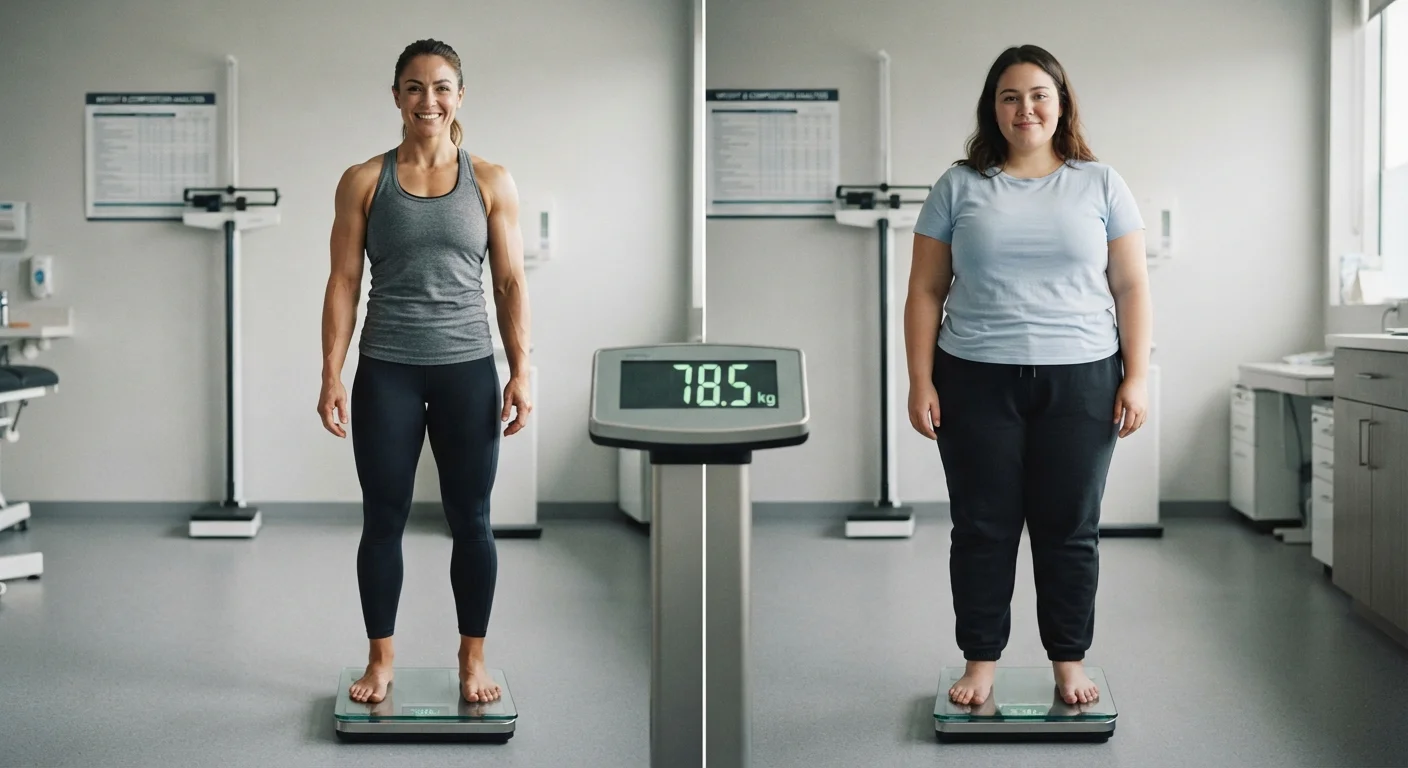
Step on a bathroom scale and you get one number — your total body mass. What that number cannot tell you is what that mass is actually made of. Consider two people, each weighing 175 pounds. One is a former competitive athlete with substantial skeletal muscle, moderate subcutaneous fat, and minimal visceral fat. The other has relatively low muscle mass, a higher proportion of body fat, and significant fat stored around the abdominal organs. Same weight. Profoundly different physiological profiles.
This distinction is at the heart of body composition science — the study of what your body is actually made of rather than how much it weighs in total. Understanding this helps explain why weight alone is a poor stand-alone predictor of individual health.
What Body Composition Actually Measures
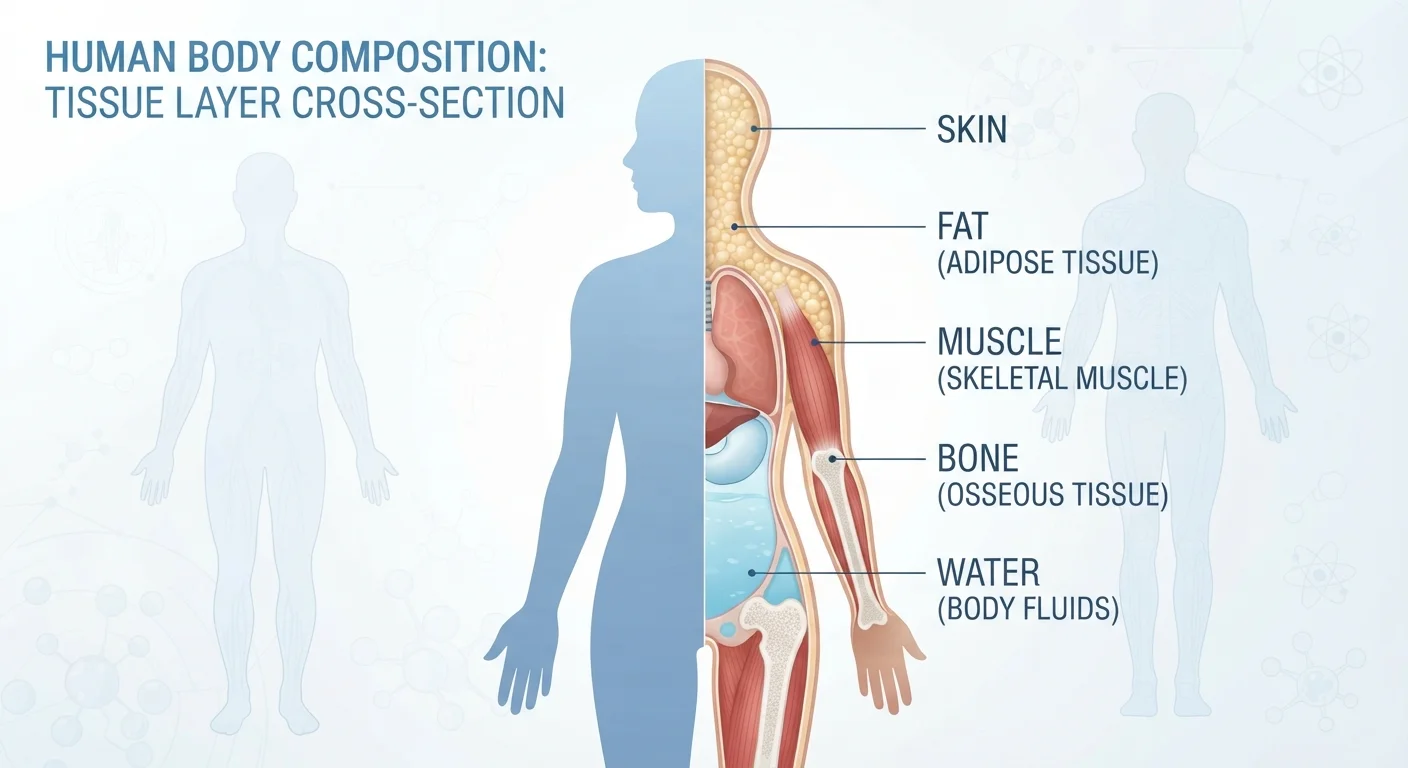
Body composition breaks total body mass into its primary components: fat mass and lean mass. Lean mass includes skeletal muscle, bone mineral density, organ tissue, and water. Fat mass includes both subcutaneous fat (the fat beneath the skin) and visceral fat (fat stored around the internal organs).
These components behave differently in the body. Skeletal muscle is metabolically active — it burns energy at rest and plays a critical role in how your body handles blood sugar. Visceral fat, by contrast, is associated with chronic low-grade inflammation and impaired insulin signaling. Research published in journals such as Obesity Reviews and Diabetes Care consistently shows that visceral fat burden is a stronger predictor of type 2 diabetes and cardiovascular disease than total body weight alone.
~30%
Adults with normal BMI who have high visceral fat
Research estimates that roughly 30% of adults classified as 'normal weight' by BMI carry metabolically risky levels of visceral fat, a phenomenon sometimes called "normal-weight obesity."
~80%
Of resting glucose uptake occurring in skeletal muscle
Studies in metabolic physiology indicate skeletal muscle accounts for roughly 80% of insulin-stimulated glucose disposal, underscoring its central role in blood sugar regulation.
6–10 kcal/day
Extra resting calories burned per pound of muscle
Estimates from metabolic research suggest each pound of skeletal muscle burns approximately 6–10 additional calories per day at rest compared to an equivalent pound of fat tissue.
This is why body fat percentage compared to BMI tends to offer more nuanced information — it begins to capture what type of mass a person carries, even if it still doesn't reveal where fat is distributed.
Why Muscle Mass Changes the Equation
Skeletal muscle is the body's largest site of glucose uptake. When muscle tissue is well-developed and insulin-sensitive, blood sugar is cleared efficiently after meals. When muscle mass is low — a condition called sarcopenia when clinically significant — this process becomes less efficient, contributing to elevated blood glucose and increased metabolic risk even in people who are not classified as overweight by conventional measures.
Greater muscle mass also raises resting metabolic rate — the number of calories the body burns at rest. This means two people at the same weight can have meaningfully different daily energy needs and fat-burning capacity. It also helps explain why the scale can mislead during a fitness program: gaining muscle while losing fat may leave total weight unchanged while significantly improving health.
Beyond metabolism, muscle mass directly influences functional fitness outcomes such as balance, mobility, and the ability to perform everyday tasks — factors that matter increasingly as people age.
Moving Beyond the Scale for a Clearer Picture
Recognizing the limits of weight as a health metric does not mean the scale is useless — it remains a simple, accessible data point. But it works best as one signal among several rather than the primary measure of health status.
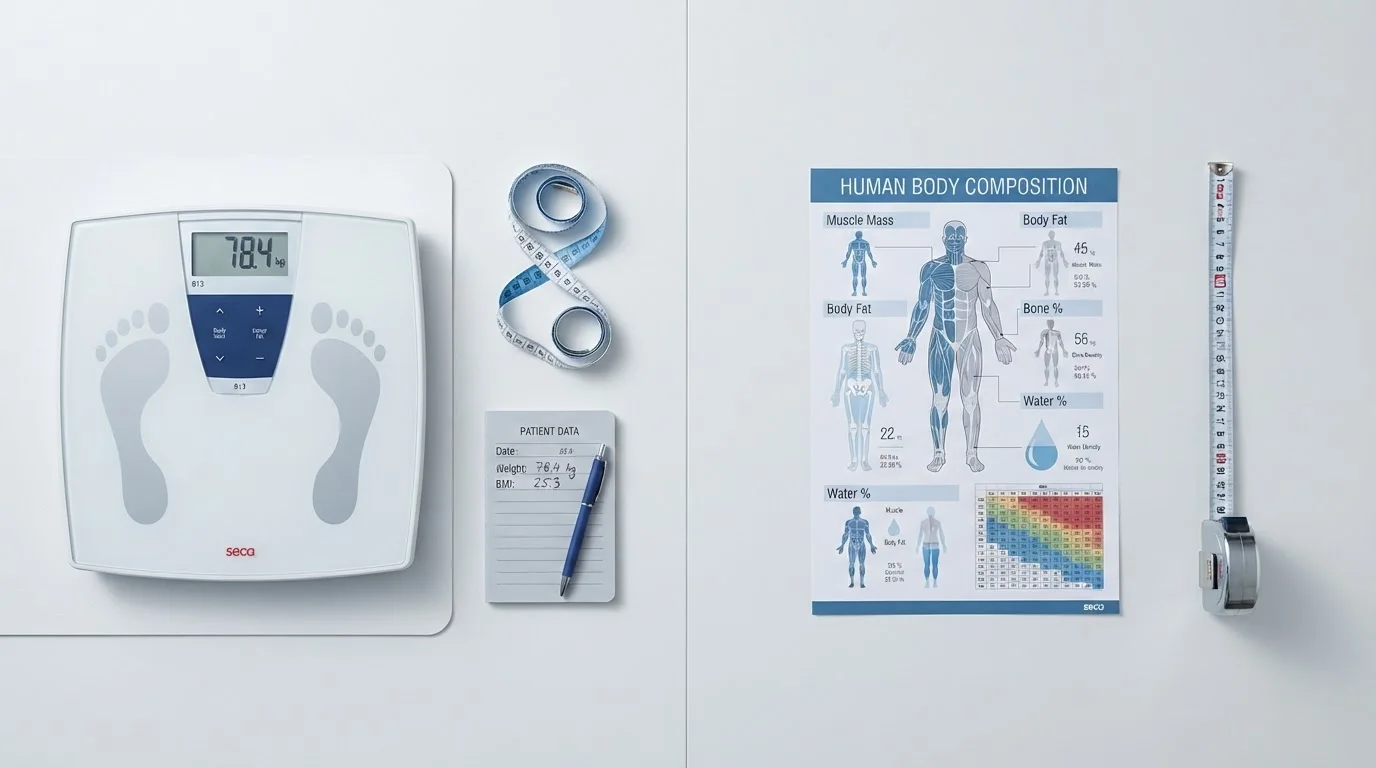
Tools that assess body composition provide a more complete picture. Methods such as DEXA scans, hydrostatic weighing, and bioelectrical impedance each have trade-offs in accuracy, cost, and accessibility, and a healthcare provider can help determine the most appropriate option for a given individual.
Diet quality and overall energy balance still matter — as explored in discussions of calorie deficit and metabolic health. But the goal of understanding body composition is to shift the frame from a single number to a fuller picture of what the body is actually doing. Two people can share a weight and lead completely different physiological lives. That gap between the number and the biology is exactly where meaningful health decisions are made.
This article is for general informational purposes only and does not constitute medical advice. Always consult a qualified healthcare professional for guidance specific to your individual health situation.