
Why Metabolism Myths Persist — and What the Science Actually Shows
Few health topics attract more misinformation than metabolism. The word gets invoked to explain everything from stubborn weight gain to effortless leanness, often as if it were a fixed, immutable trait. Research paints a more nuanced picture: metabolic rate is shaped by a cluster of interacting variables, some biological and some behaviorally modifiable.
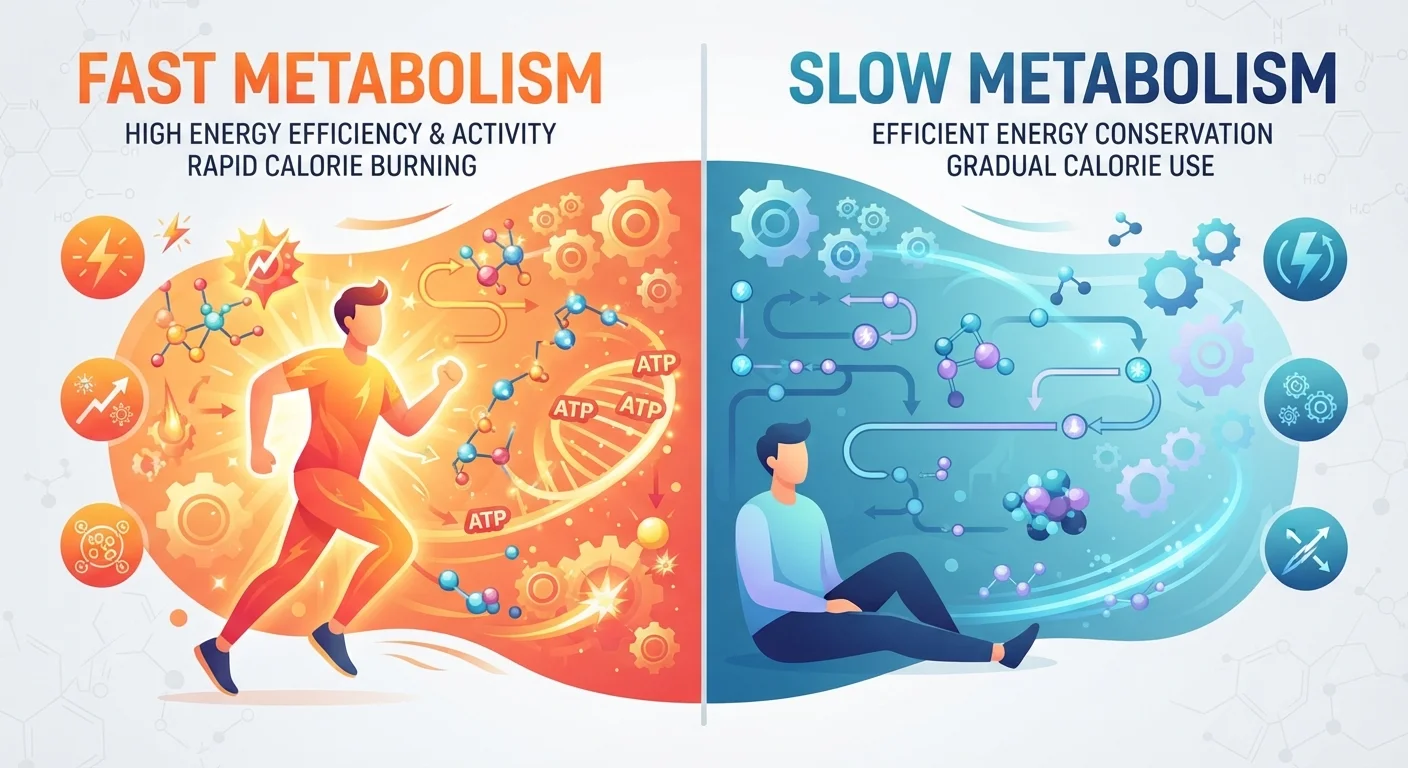
Your total daily energy expenditure has four main components: basal metabolic rate (BMR) — the energy your body burns at rest — accounts for roughly 60–70% of that total. Physical activity, the thermic effect of food (energy used to digest meals), and non-exercise activity thermogenesis (NEAT, or fidgeting and incidental movement) make up the rest. Understanding what genuinely shifts BMR — and what doesn't — can help cut through the noise. As the fast vs. slow metabolism explainer covers in depth, the distinction is often less useful than people assume.
Lean Muscle Mass
Skeletal muscle is metabolically expensive tissue. At rest, muscle burns significantly more energy per pound than fat tissue. Research consistently shows that individuals with greater lean body mass have higher resting metabolic rates, independent of total body weight. This is why resistance training is one of the most evidence-supported strategies for maintaining metabolic rate — particularly as people age and muscle mass naturally tends to decline. Building or preserving muscle doesn't require extreme programming; progressive overload through regular strength training is sufficient for most adults.
Muscle burns more calories at rest than fat, making lean mass the most modifiable metabolic lever.
Thyroid Hormone Output
The thyroid gland produces hormones — primarily thyroxine (T4) and triiodothyronine (T3) — that act as master regulators of cellular energy use throughout the body. Hypothyroidism (underactive thyroid) measurably reduces BMR, while hyperthyroidism raises it. Even subclinical thyroid dysfunction can affect energy expenditure, body temperature regulation, and body composition. Because thyroid conditions are relatively common and often underdiagnosed, persistent fatigue or unexplained weight changes warrant a clinical evaluation rather than self-directed dietary experiments.
Thyroid hormones act as master metabolic regulators; even subtle dysfunction can shift energy expenditure.
Sleep Quality and Duration
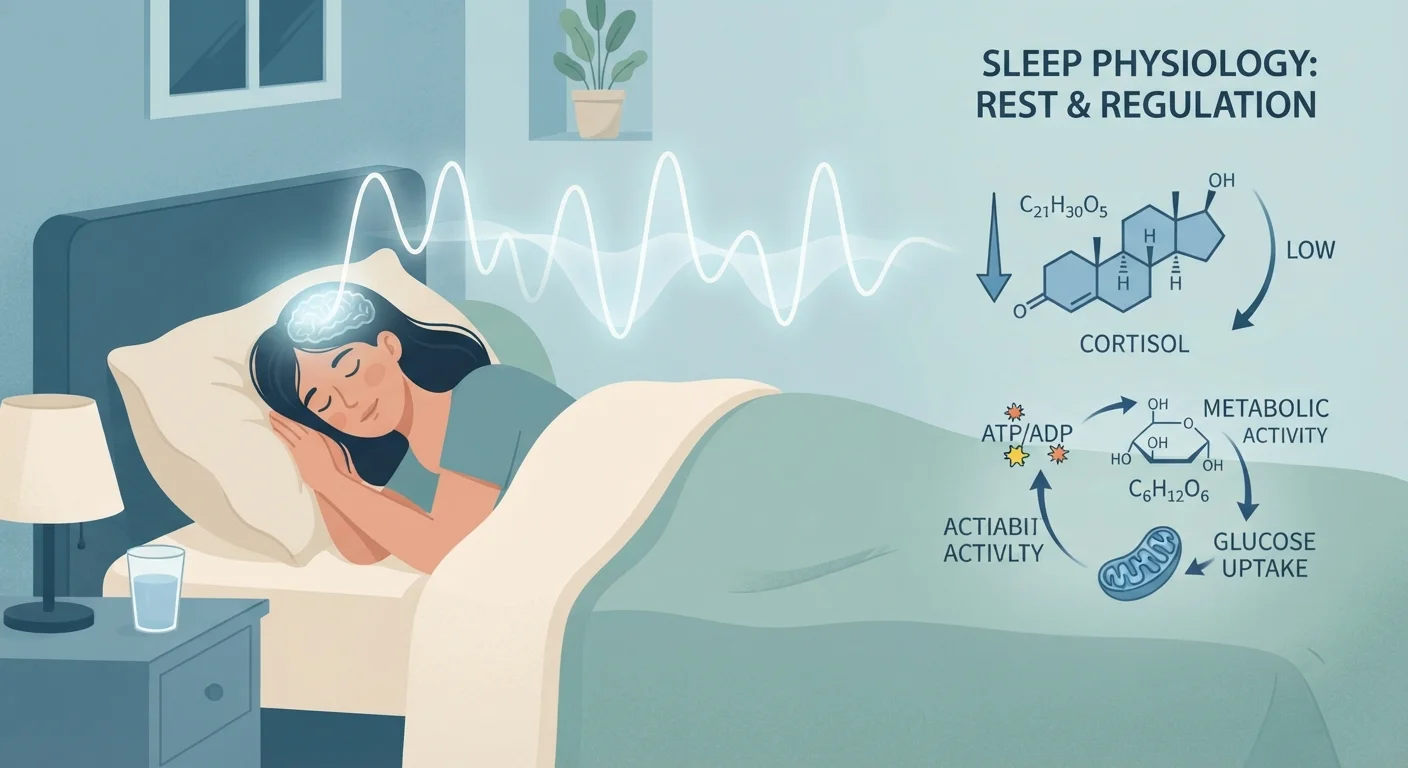
Chronic sleep deprivation does more than leave you tired. Research has linked insufficient sleep to reductions in resting energy expenditure, increases in the hunger hormone ghrelin, and decreases in the satiety hormone leptin — a combination that promotes energy intake while suppressing expenditure. A study published in the journal Sleep found that even modest sleep restriction over several nights led to measurable metabolic changes in healthy adults. For a detailed look at the evidence, the sleep, stress, and metabolism overview explores these mechanisms further.
Even modest sleep restriction alters hunger hormones and reduces the calories your body burns at rest.
Age-Related Biological Changes
Metabolism does slow with age, but the mechanism matters. A large-scale analysis published in Science (2021), which tracked energy expenditure across the lifespan, found that metabolic rate is relatively stable from roughly ages 20 to 60, after which a more significant decline occurs. Much of the earlier slowdown attributed to aging is actually driven by progressive muscle loss — a modifiable factor. That said, genuine age-related hormonal shifts and reduced cellular efficiency do contribute. The age and metabolism explainer separates what's truly biological from what's lifestyle-driven.
Much of the metabolic slowdown blamed on aging is actually due to muscle loss — which is modifiable.
Genetics and Inherited Variation
Twin and family studies confirm a heritable component to basal metabolic rate, with estimates suggesting genetics may explain 40–80% of variation in BMR between individuals after accounting for body composition. Specific gene variants affect how efficiently mitochondria convert nutrients to energy and how readily the body mobilizes or stores fat. However, genetic predisposition is not destiny — lifestyle factors including physical activity, diet quality, and sleep substantially interact with genetic background. Genetics set a range of possibilities, not a fixed outcome.
Genetics influence metabolic rate meaningfully, but lifestyle factors interact with — and can offset — that predisposition.
Chronic Stress and Cortisol
Prolonged psychological stress elevates cortisol, a glucocorticoid hormone that influences where and how the body stores energy. Sustained high cortisol is associated with increased abdominal fat deposition and, over time, with insulin resistance — a state in which cells respond less efficiently to insulin and glucose metabolism is impaired. Cortisol also interacts with appetite-regulating systems, often increasing cravings for calorie-dense foods. Managing chronic stress through evidence-supported approaches — adequate sleep, social connection, physical activity — has downstream metabolic benefits, though it is rarely a standalone intervention.
Chronic cortisol elevation promotes abdominal fat storage and disrupts insulin sensitivity over time.
Putting It All Together
Metabolism isn't a dial you can easily spin up or down, but it's far from static. The factors below interact: someone who sleeps poorly may lose muscle over time, compounding effects on BMR. Hormonal imbalances can blunt the metabolic benefit of exercise. Addressing one factor in isolation rarely produces dramatic results, but understanding the full picture allows for smarter, more sustainable choices.
This article is for general health education only and does not constitute medical advice. If you suspect a hormonal disorder, thyroid condition, or other metabolic issue, consult a qualified healthcare professional for evaluation and guidance.
Prioritize Sleep for Metabolic Health
If you're working on body composition or weight management, sleep quality deserves as much attention as diet and exercise. Most adults function best with seven to nine hours of consistent, quality sleep per night. For more on the relationship between sleep and weight regulation, see the role of sleep in weight regulation.