What 'Fast' and 'Slow' Metabolism Actually Refer To
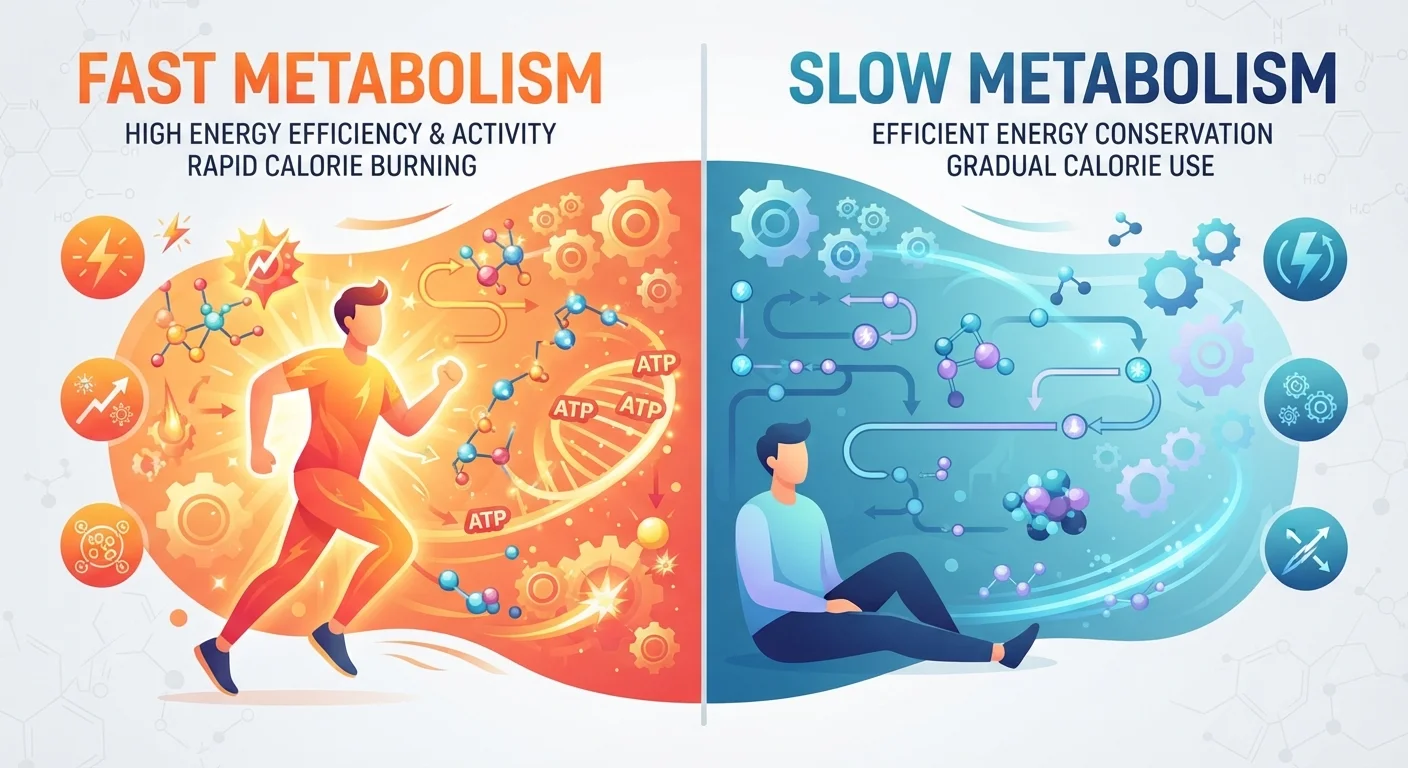
The terms 'fast metabolism' and 'slow metabolism' are used casually to explain why one person can eat freely without gaining weight while another seems to gain weight despite careful eating. But these phrases aren't precise medical diagnoses — they're informal shorthand for differences in total daily energy expenditure (TDEE), the total number of calories your body burns in a day.
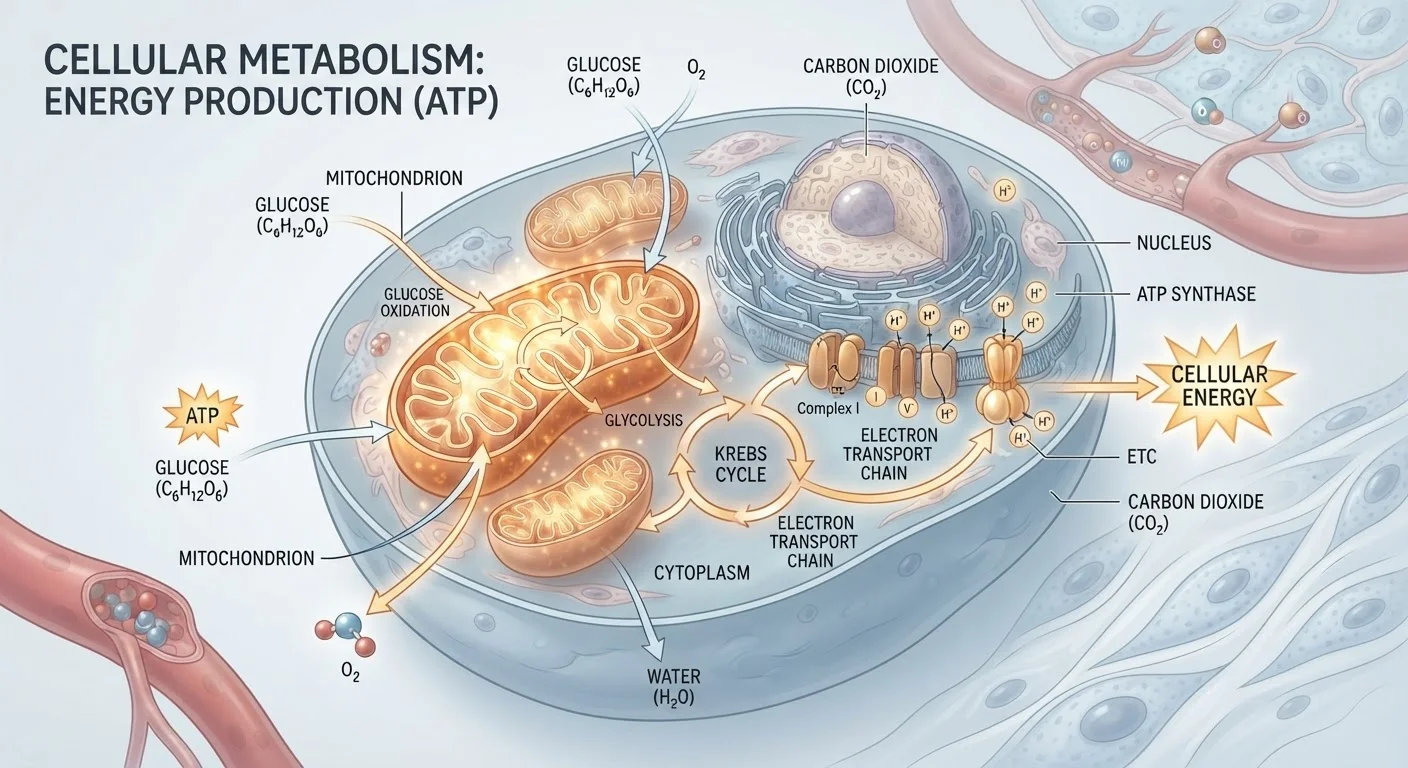
TDEE has several distinct components: resting metabolic rate (RMR), the thermic effect of food (the energy used to digest and process nutrients), and activity-related energy expenditure — both intentional exercise and unconscious movement like fidgeting. To understand what metabolism actually means at the biological level, it helps to look beyond these labels entirely.
A 'faster' metabolism typically means higher TDEE relative to body size. A 'slower' one means lower TDEE. But here's the nuance: most healthy adults have resting metabolic rates that fall within a surprisingly narrow band when adjusted for body size and composition. Dramatic variation between individuals is far less common than popular culture suggests.
Side-by-Side: What the Science Actually Shows
Rather than accepting the fast/slow binary, it's worth examining what research tells us about the real drivers of metabolic differences between people.
| Criterion | Fast Metabolism | Slow Metabolism |
|---|---|---|
| Scientific basis | Higher TDEE relative to body size | Lower TDEE relative to body size |
| Primary driver | Greater lean muscle mass, high activity | Less lean mass, lower activity levels |
| Role of genetics | Modest influence on RMR | Modest influence; often overstated |
| Clinical significance | Rarely a diagnosable condition | May reflect hypothyroidism or other disorders |
| Modifiability | Partially — muscle mass and activity help | Partially — lifestyle changes have real impact |
| Common misconception | Thin people automatically have faster metabolism | Weight gain always signals a slow metabolism |
| Usefulness as a health concept | Low — too imprecise for action | Low — discourages investigation of real causes |
As the comparison above shows, neither label captures the full picture. Factors that genuinely influence metabolic rate — including lean muscle mass, hormonal status, sleep quality, and age — are far more specific and actionable than a simple speed label.
Why the Distinction Can Be Misleading
Framing metabolism as simply fast or slow carries real risks. When people attribute weight gain exclusively to a 'slow metabolism,' they may overlook more modifiable contributors — energy intake, movement patterns, sleep disruption, or stress. Research consistently shows that the most common cause of weight gain is a sustained positive energy balance, not a dramatically depressed metabolic rate.
Clinically significant metabolic disorders — such as hypothyroidism or Cushing's syndrome — do exist and can meaningfully affect energy expenditure. But these are medical conditions diagnosed through testing, not lifestyle labels. Assuming you have a 'slow metabolism' without clinical evaluation can delay appropriate care and foster a sense of helplessness that isn't supported by evidence.
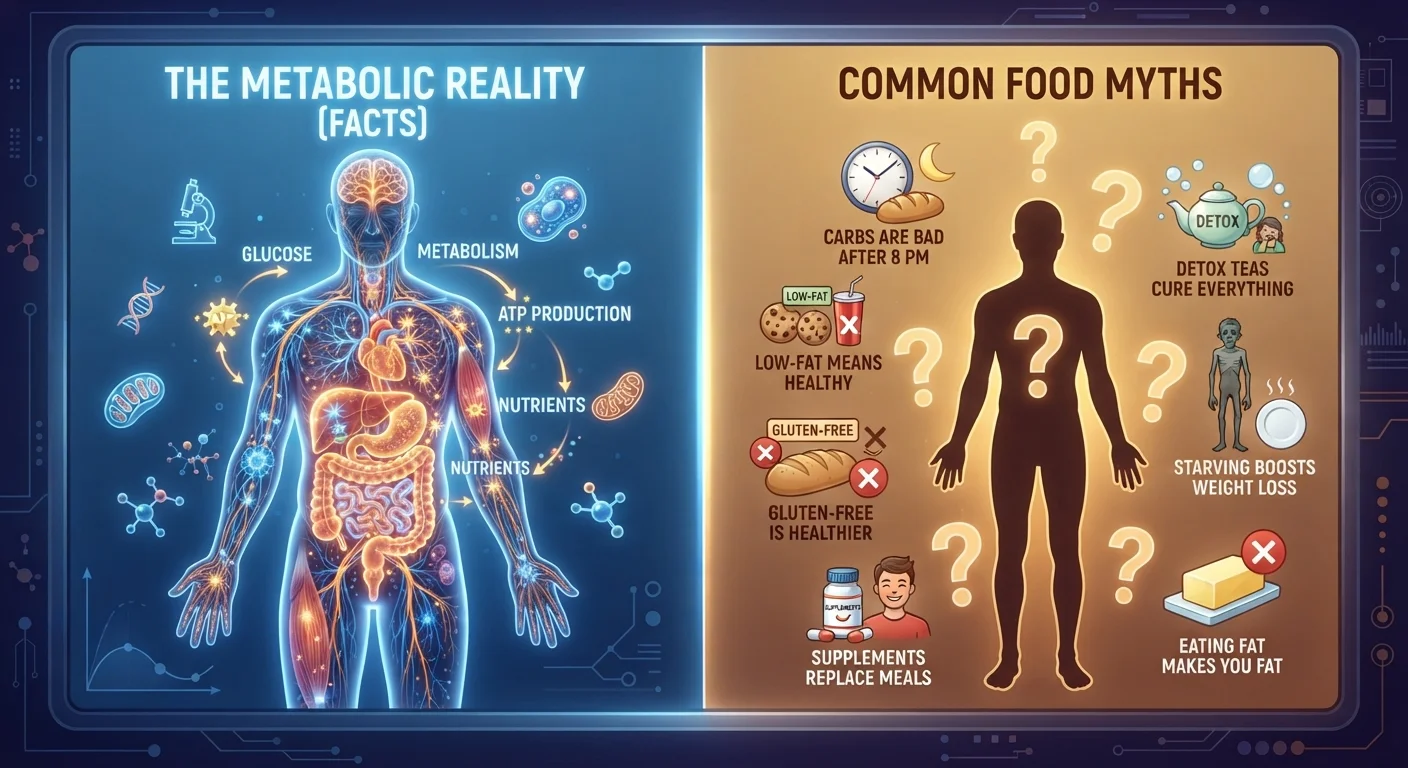
There's also a directional misconception worth addressing. Many people believe that thin individuals inherently have faster metabolisms. In reality, a larger body — including one carrying more fat mass — typically has a higher absolute resting metabolic rate because it requires more energy to maintain. This is one of several metabolism misconceptions that lead people astray.
A More Useful Framework for Understanding Your Energy Expenditure
Instead of asking whether your metabolism is fast or slow, more productive questions include: How much lean muscle mass do I carry? How active am I beyond formal exercise? How is my sleep quality affecting my hormonal environment? Has a healthcare provider ruled out endocrine conditions?
Physical activity — particularly resistance training, which builds lean muscle — has a meaningful, evidence-backed effect on resting metabolic rate over time. Sleep deprivation, by contrast, can disrupt hunger-regulating hormones like leptin and ghrelin, affecting appetite and energy balance in ways that are easily mistaken for a 'metabolic problem.' Age-related metabolic changes follow a similar pattern: some decline is biological, but much of the slowdown associated with aging reflects reduced muscle mass and activity — factors that are at least partially modifiable.
If you have genuine concerns about your metabolism, a clinician can measure markers like thyroid function and assess body composition, giving you real data to work with rather than a vague label. For a broader look at claims that don't hold up to scrutiny, see our overview of metabolism myths that refuse to die.
This article is for general informational and educational purposes only and does not constitute medical advice. Always consult a qualified healthcare professional for guidance specific to your health situation.