The Metabolic Cost of Muscle Tissue
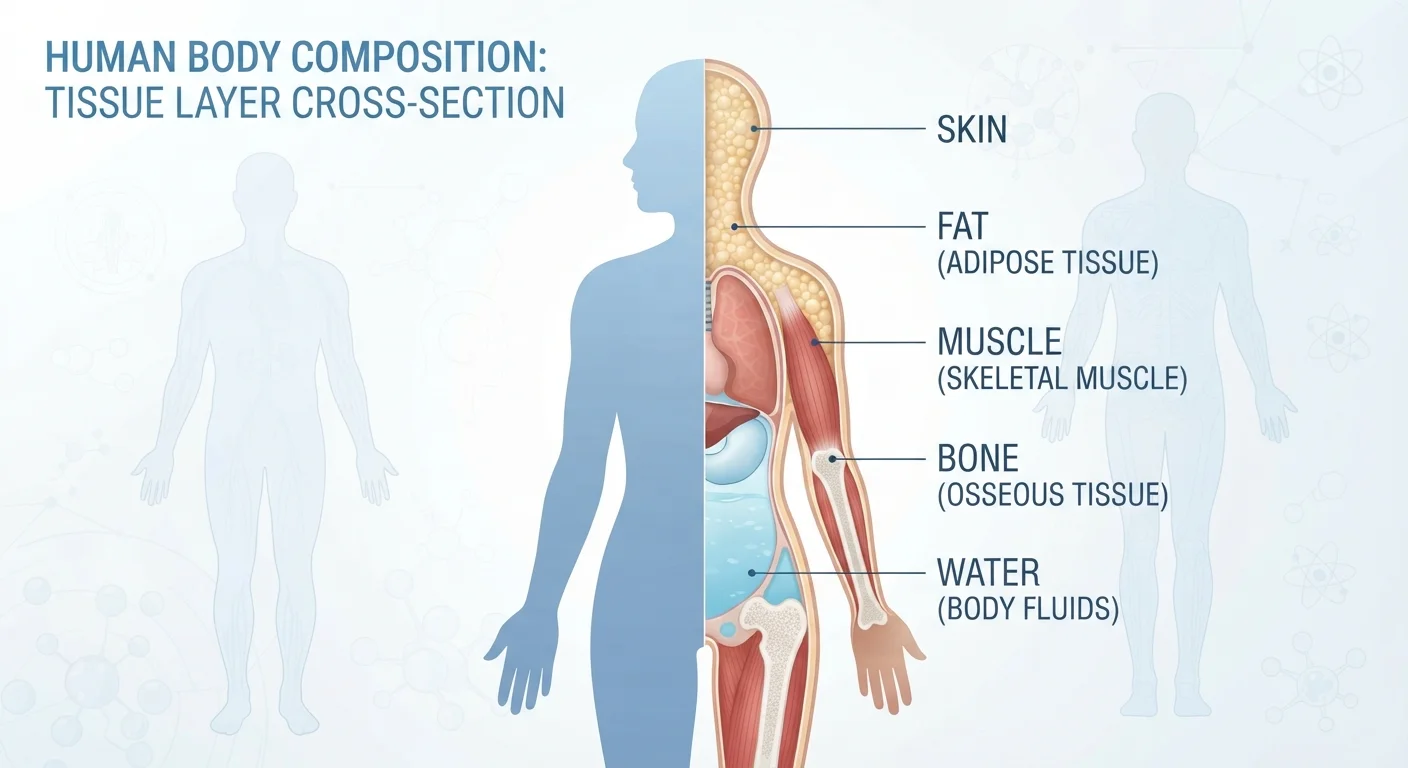
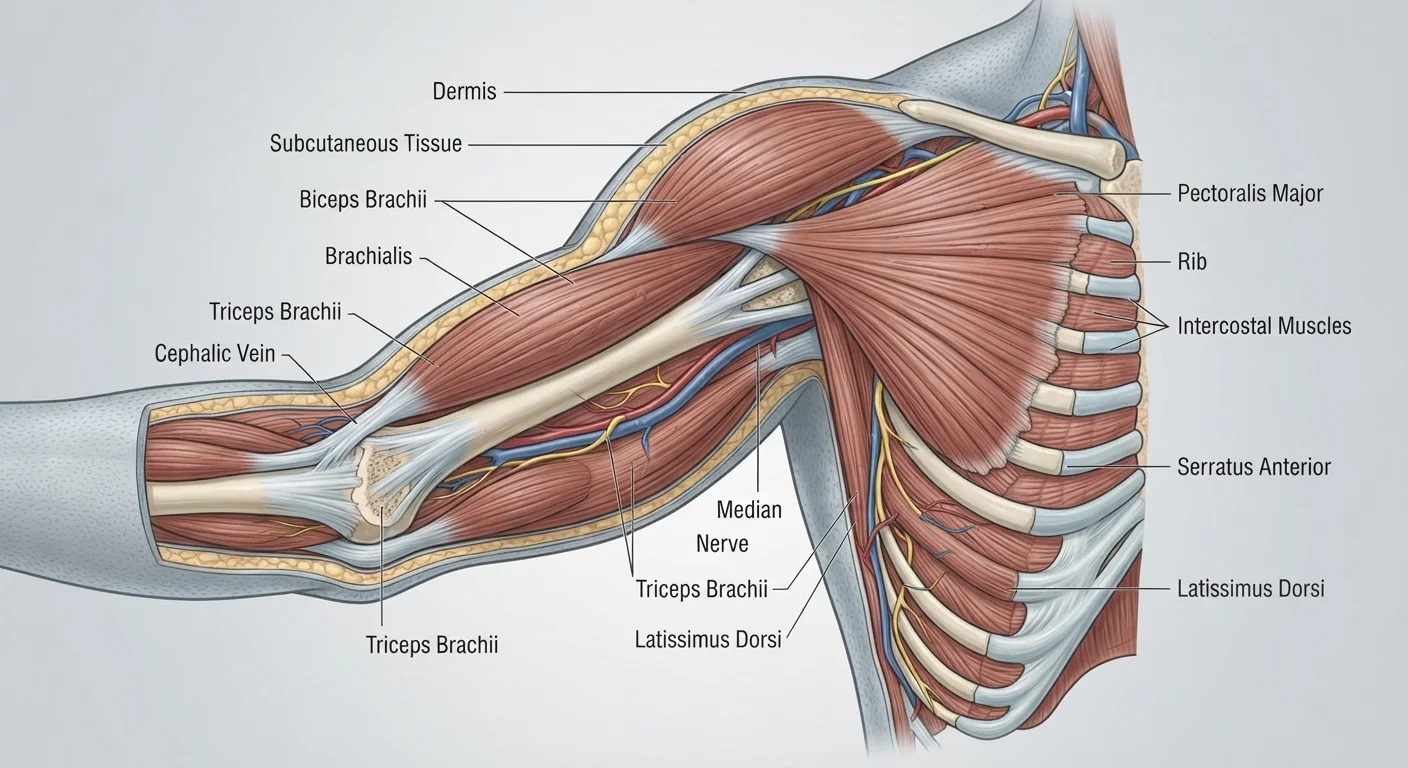
Skeletal muscle is one of the few tissues in the body that is consistently active even when you're completely still. To maintain its structure, repair protein damage, and sustain cellular processes, muscle consumes energy around the clock. Research published in physiology literature estimates that skeletal muscle burns approximately 6 calories per pound per day at rest — compared to roughly 2 calories per pound per day for adipose (fat) tissue.
This difference is real and biologically meaningful. But the practical implication is frequently misrepresented. Adding 5 pounds of lean muscle to your frame would increase your resting energy expenditure by around 30 calories per day — not the 250–500-calorie boosts sometimes cited in fitness marketing. Understanding this distinction matters, because inflated expectations lead to frustration and misguided strategies.
To understand why what your body is made of matters, it helps to look at how energy expenditure is distributed across all tissues — not just muscle.
Where Resting Calories Actually Come From
A common misconception is that skeletal muscle dominates resting energy use. In reality, your vital organs are the heavy hitters. The brain, liver, kidneys, and heart together account for an estimated 60–70% of resting energy expenditure in lean adults — despite making up only a small fraction of total body mass.
~6 kcal
Calories burned per pound of muscle daily at rest
Estimated from metabolic physiology research comparing tissue-specific oxygen consumption rates in resting adults.
60–75%
Share of daily calories from resting energy expenditure
REE typically dominates total daily energy expenditure, underscoring how baseline metabolism shapes overall calorie needs.
~2 kcal
Calories burned per pound of fat tissue daily at rest
Adipose tissue has a much lower metabolic rate than skeletal muscle or organs, contributing comparatively little to resting energy use.
Skeletal muscle, while metabolically active, contributes roughly 20–25% of REE in most adults — less than organs, but considerably more than fat tissue. This distribution shifts as body composition changes with age, training status, or illness. Understanding the full picture is essential for anyone trying to assess how lifestyle changes affect their metabolism.
These proportions also explain why two people of the same total body weight can have noticeably different metabolic rates if their organ sizes and lean-to-fat ratios differ. It's a more nuanced story than the simple muscle-vs-fat comparison often presented.
What Resistance Training Actually Does to Metabolism
Resistance training influences energy expenditure through multiple pathways — not just by building muscle. The most immediate effect is the calories burned during the workout itself. After intense resistance exercise, the body also experiences a transient elevation in oxygen consumption, sometimes called excess post-exercise oxygen consumption (EPOC), as it repairs tissue and restores metabolic equilibrium. This effect typically lasts hours, not days.
Over months and years of consistent training, accumulated muscle gains do meaningfully raise REE — but the increment is gradual. Research consistently shows that even significant hypertrophy (muscle growth) results in modest resting calorie increases. A well-designed resistance training program is valuable for health, function, and body composition — but framing it primarily as a metabolism-boosting tool overstates one part of the benefit.
For a science-based comparison of how different exercise types affect energy use, see our article on aerobic exercise vs. resistance training.
Why This Matters for Weight Management
The muscle-metabolism connection has real implications for weight management — just not always the ones people expect. When calorie restriction leads to muscle loss alongside fat loss, the resulting drop in REE can make it harder to maintain a lower body weight over time. This is one mechanism thought to contribute to the well-documented difficulty many people face in sustaining weight loss.
Preserving lean mass during a calorie deficit is therefore a legitimate goal, typically achieved through adequate protein intake and continued resistance training. For more on the nutritional side of this equation, see what nutrition science tells us about protein and muscle maintenance.
It's also worth recognizing that resting energy expenditure is just one component of total daily energy use. Non-exercise movement — what researchers call NEAT — can vary by as much as 2,000 calories per day between individuals, making it a far larger variable for many people. Explore NEAT and its role in daily calorie burn for more on this often-overlooked factor.
Muscle mass genuinely influences how your body uses energy at rest. The science supports that. But the effect operates within a larger metabolic system — one shaped by organ function, hormones, age, genetics, and daily activity patterns. Accurate expectations are the foundation of sustainable health decisions. For a broader look at what research supports, see factors that genuinely influence metabolic rate.
This article is for general informational and educational purposes only and does not constitute medical advice. Consult a qualified healthcare professional before making changes to your diet, exercise routine, or health plan.