
Why Tracking Matters — And Where It Goes Wrong
Monitoring your exercise progress serves a real purpose: it helps you confirm that training is working, signals when to adjust intensity, and provides motivation during stretches when results feel invisible. But the same tools that help you stay on track can quietly shift from servants to masters.
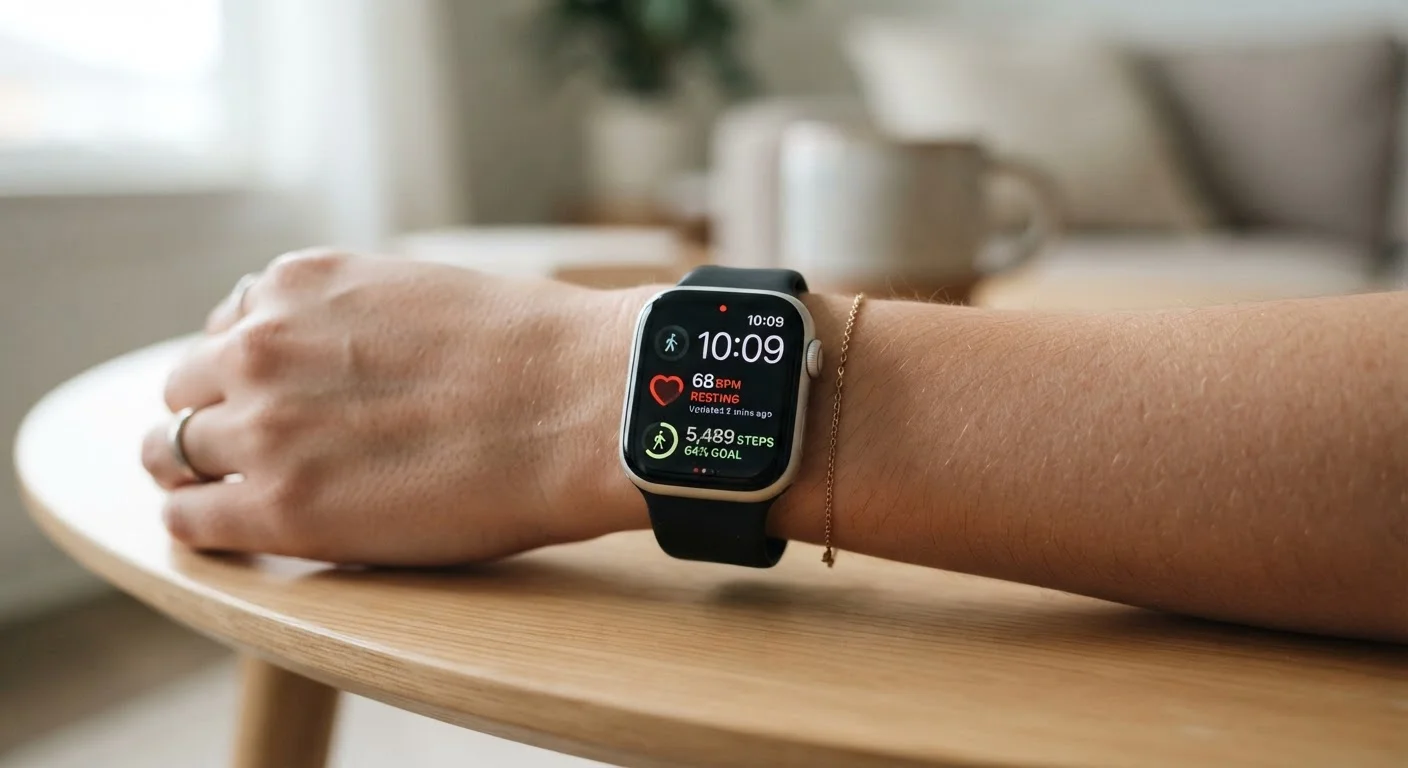
When every workout becomes about hitting a number — a specific calorie burn, a step target, a pace on the treadmill — the process starts driving the goal rather than supporting it. This is especially common with wearable devices, which generate a constant stream of data that can feel authoritative even when it isn't. For a grounded look at what daily health tracking does and doesn't offer, see this balanced breakdown of wearable trade-offs.
The good news: you don't have to choose between tracking everything and tracking nothing. Selecting the right signals — and holding them loosely — gives you the benefits of data without the anxiety spiral.
Best Practices for Balanced Progress Tracking
The following approaches are grounded in exercise science and real-world sustainability. Use them as a framework, not a rigid prescription.
Track performance markers, not just output numbers
Metrics like reps completed, weight lifted, or distance covered reflect what your body can do — not just what a device estimates you burned. These functional markers improve with consistent training and are directly tied to the adaptations you're working toward. They also put you in control of defining success on your own terms.
Review trends over weeks, not day-to-day fluctuations
Daily numbers are noisy. Sleep, hydration, stress, and timing all distort single-session metrics in ways that have nothing to do with fitness trajectory. Zooming out to weekly or monthly averages smooths that noise and gives you a truer picture of whether you're moving in the right direction.
Include at least one qualitative measure in every log entry
Perceived effort, mood before and after exercise, and energy levels throughout the day are legitimate fitness indicators. Research in exercise science uses rating-of-perceived-exertion (RPE) scales precisely because subjective experience captures real physiological information that devices miss.
Set deliberate tracking-free periods
Constant measurement can erode intrinsic motivation — the enjoyment and sense of accomplishment that sustain long-term habits. Scheduled breaks from logging help you reconnect with how exercise feels rather than what it produces, which is especially valuable when metrics feel demotivating.
Contextualize step and activity targets rather than treating them as absolute rules
Widely cited targets — like 10,000 steps per day — originated from marketing, not clinical research. The actual evidence suggests meaningful health benefits exist across a range of activity levels, and the right target depends on your starting point, age, and goals. Treating any single benchmark as universal sets up unnecessary failure.
Qualitative Signals Are Real Data
Numbers have an air of objectivity that softer signals don't — but that doesn't make soft signals less valid. How you feel during and after exercise tells you a great deal about adaptation. Are stairs that used to wind you now easy? Do you recover from a tough session faster than you did two months ago? Is your sleep more restful on days you work out?
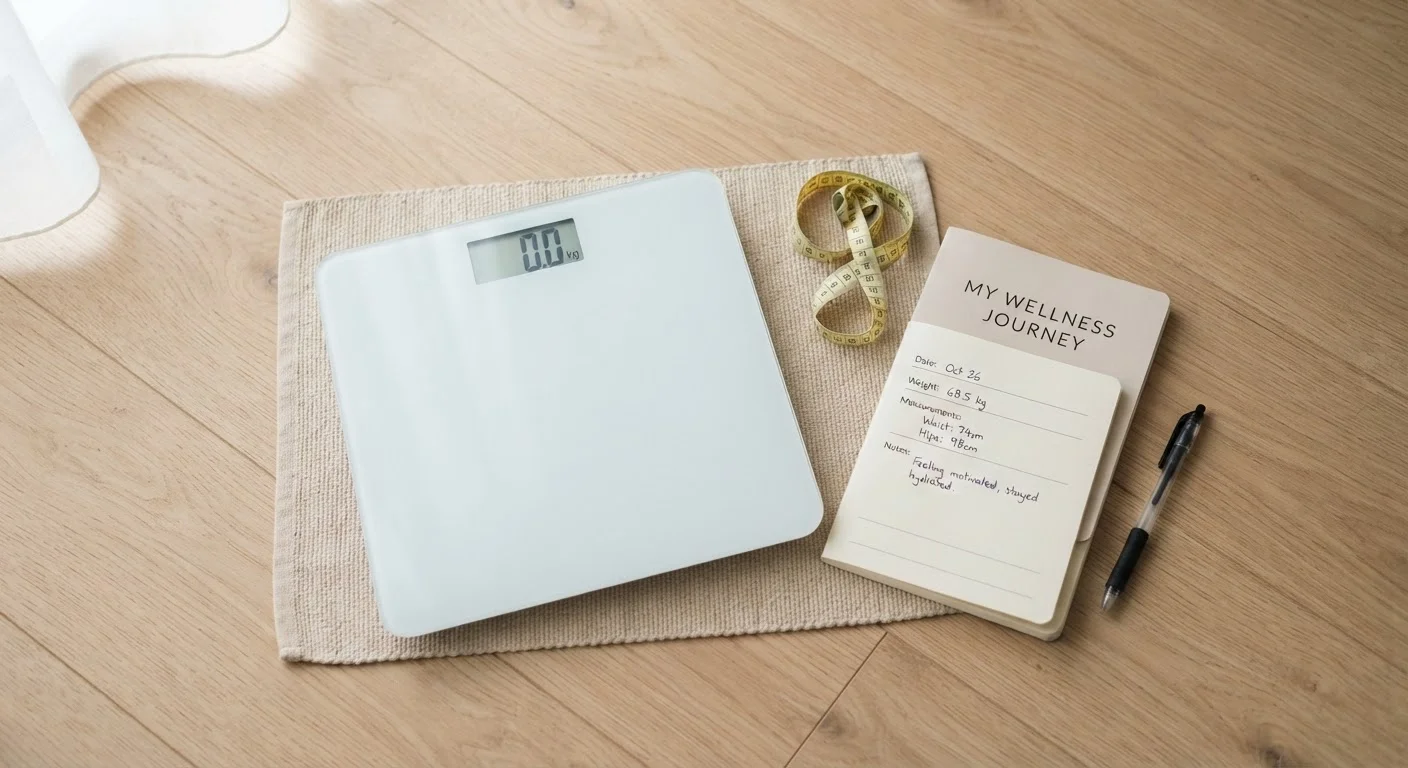
These shifts are measurable in the sense that you can log them in a journal or rate them on a simple 1–5 scale. They're also more resistant to the daily noise that plagues hard metrics. Body weight, for instance, can swing several pounds in a single day based on hydration, sodium intake, and hormonal cycles — none of which reflect fat loss or gain. Learn why the scale can mislead you during a fitness program for a fuller explanation of this effect.
A Simple Journaling Habit Beats Complex Apps
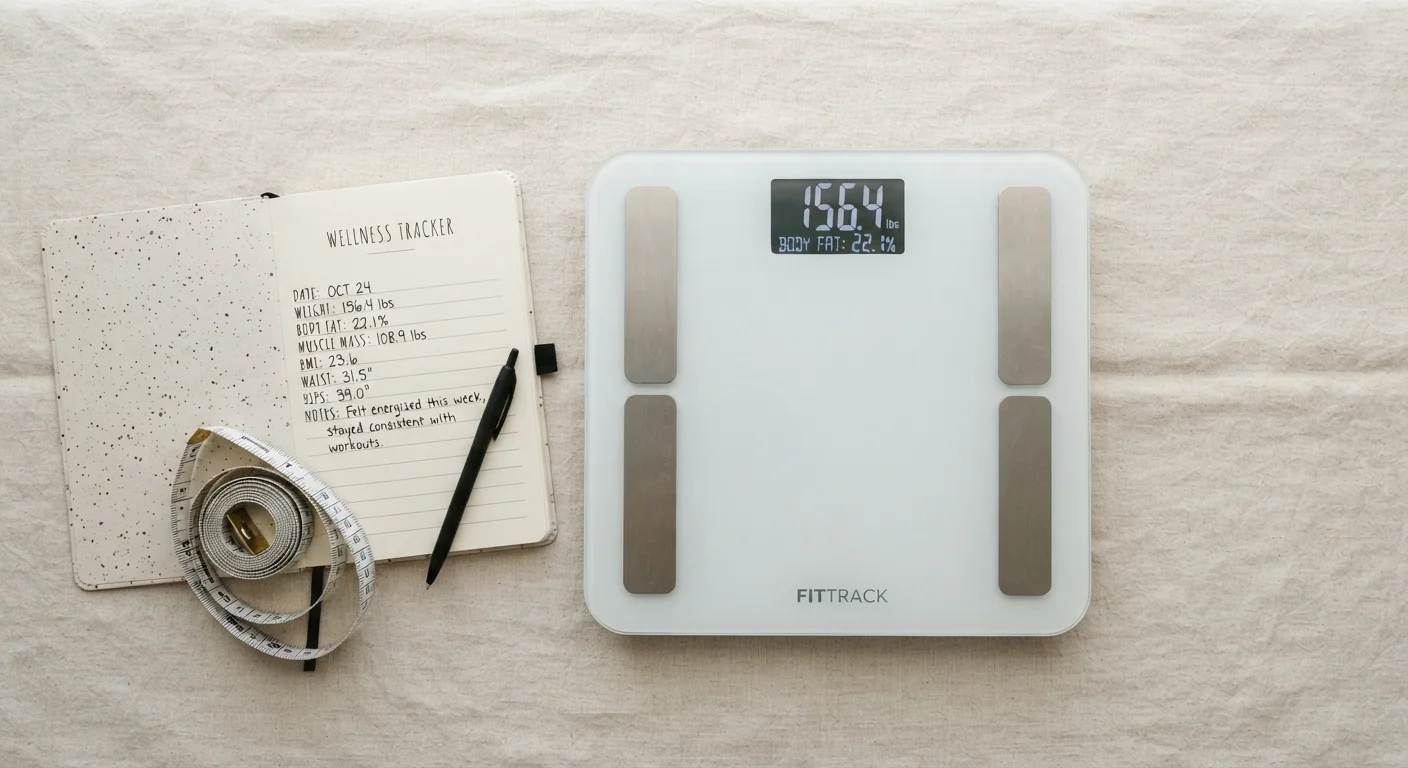
A basic notebook or notes app is often more sustainable than elaborate tracking software. Write down what you did, how hard it felt, and one observation about your body or energy. Reviewing these entries monthly reveals patterns that no dashboard metric can capture. Consistency of logging matters more than sophistication of the tool.
If you're just starting out and want to establish a meaningful baseline before layering in more metrics, this guide to body composition metrics walks through which numbers are worth gathering first.
Start Simple — Quick Actions You Can Take Today
You don't need a sophisticated system to track progress meaningfully. The practices below are low-effort, high-return starting points.
This article is for general informational and educational purposes only and is not a substitute for professional medical advice, diagnosis, or treatment. If you have any health conditions or concerns, consult a qualified healthcare provider before starting or changing an exercise program.