
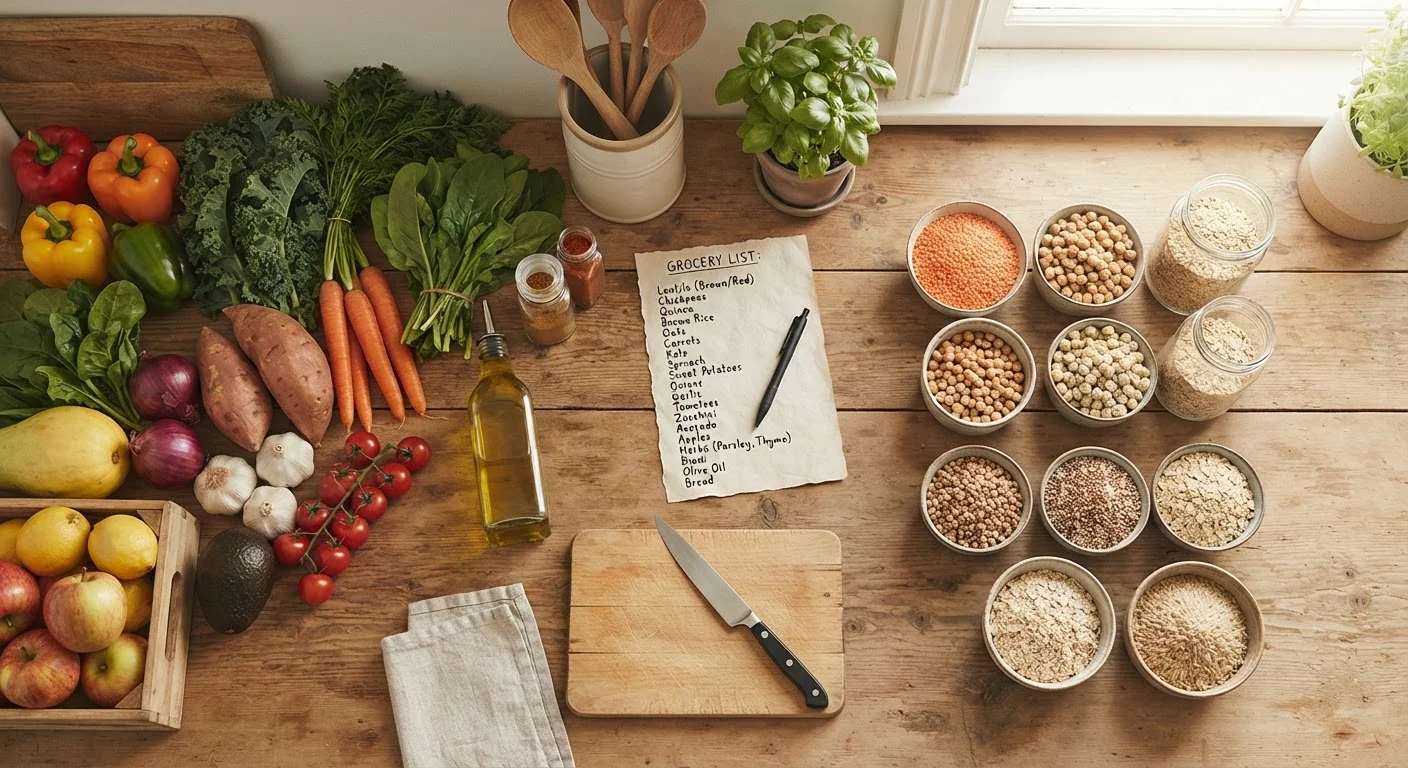
Why Your Grocery Routine Shapes What You Actually Eat
Most nutrition decisions aren't made at the dinner table — they're made at the grocery store, or even earlier, when you're deciding what to put on your list. Research consistently shows that the foods people have readily available at home are the ones they eat most often. That means your weekly shopping routine functions as a kind of nutritional infrastructure: get it right, and healthy choices become the path of least resistance.
This checklist is designed to help you build that infrastructure step by step. It doesn't require overhauling your diet overnight. Instead, it focuses on practical, repeatable habits that fit real American schedules — whether you're shopping for one, feeding a family, or navigating a tight budget. For a broader look at how grocery habits fit into long-term dietary patterns, see our guide to sustainable healthy eating.
Work through this checklist at your own pace. Even applying a few items consistently can meaningfully shift what ends up on your plate each week.
What You'll Need Before You Start
Before heading to the store, a small amount of preparation makes a significant difference in what you come home with. The tools below aren't complicated — most you already own. The goal is to create a repeatable system, not a one-time project.
Grocery list (paper or app)
Keeps your shopping focused and prevents forgetting key items or impulse-buying foods that don't support your meal plan.
Weekly meal planning template
A simple grid or notepad page mapping out planned meals so your grocery list reflects what you'll actually cook.
Reusable storage containers
Essential for batch cooking and prepping ingredients ahead of time so healthy options are grab-and-go ready.
Freezer bags or airtight freezer containers
Extend the life of perishables and batch-cooked items, reducing waste and keeping your backup meal supply stocked.
Nutrition label reference (e.g., USDA FoodData Central)
A free, authoritative resource for looking up the nutritional content of common foods when evaluating options.
If you're also working on your broader daily habits, the daily routine audit checklist is a useful companion for identifying where nutrition planning fits into your existing schedule.
The Weekly Grocery Routine Checklist
Use the checklist below to guide your routine from kitchen audit to final cart. The groups are arranged in the order most people find useful — starting at home and ending at the store.
Before You Shop: Kitchen Audit
Meal Planning Basics
Building a Balanced Cart
Smart Pantry Stocking
At the Store: Shopping Habits
Consistency Matters More Than Perfection
A grocery routine doesn't need to be flawless every week to be effective. Missing a step or buying an unplanned item won't undermine your nutrition — but skipping the routine entirely for weeks at a time usually does. Aim for a sustainable pattern you can repeat most weeks, and treat the checklist as a guide rather than a rigid rulebook.
Families with different dietary needs will find additional strategies in our article on nutrition for busy families. And if you want to improve the nutritional quality of your meals without starting from scratch, our piece on building a more nutrient-dense plate walks through simple, practical swaps.
This article is for general informational and educational purposes only and is not a substitute for professional medical or dietary advice. Consult a qualified healthcare provider or registered dietitian for guidance tailored to your individual health needs.