
Why Two Separate Menus Isn't the Answer
Many parents fall into a familiar trap: cooking a "real" adult meal while simultaneously preparing plain pasta or nuggets for the kids. It feels like a reasonable compromise, but it's exhausting and can actually work against long-term healthy eating habits for children. Research in pediatric nutrition consistently shows that children develop more varied food preferences when they eat the same foods as the adults around them — not a parallel kid-friendly menu.
The goal isn't to force children to eat foods they dislike. It's to build shared meals that are flexible enough to work for everyone. That distinction matters. When families share a common table experience, children normalize a broader range of foods simply through repeated, low-pressure exposure — a principle sometimes called "food familiarity."
For adults managing their own nutritional goals, understanding how nutritional needs shift across life stages provides useful context for why family meals can look different at different points in your household's life.
The Shared-Base Meal Strategy
The single most practical framework for busy families is the shared-base meal: one core dish or set of components that everyone eats, with optional additions that let individuals adjust to their preferences or needs.
Think of a taco bar, a grain bowl station, or a simple stir-fry served over rice. Each family member builds their own plate from the same ingredients. Adults might add sliced jalapeños, a wider variety of vegetables, or a protein-forward portion. Children can keep it simpler — but they're still eating from the same kitchen, the same table, and largely the same ingredients.
Design meals around a shared base with customizable add-ons rather than entirely separate dishes.
A common base reduces cooking effort while giving each family member agency over their plate. This approach respects different preferences without reinforcing the idea that picky eating is permanent or must be accommodated with a separate meal.
Introduce new foods alongside familiar favorites without pressure to eat them.
Repeated exposure without pressure is one of the most evidence-supported approaches in pediatric nutrition. It takes many exposures before a child accepts an unfamiliar food, and forced eating typically increases resistance rather than reducing it.
Involve children in age-appropriate meal preparation steps.
Children who participate in preparing food tend to show greater willingness to try it. Even simple tasks like washing vegetables or stirring a pot build familiarity and ownership over what's on the plate.
Batch-cook versatile staple ingredients once or twice a week.
Decision fatigue is a real barrier to healthy eating. Having pre-cooked grains, proteins, and roasted vegetables on hand means meals can be assembled in minutes rather than built from scratch nightly.
Make nutrient density the baseline, not a stretch goal.
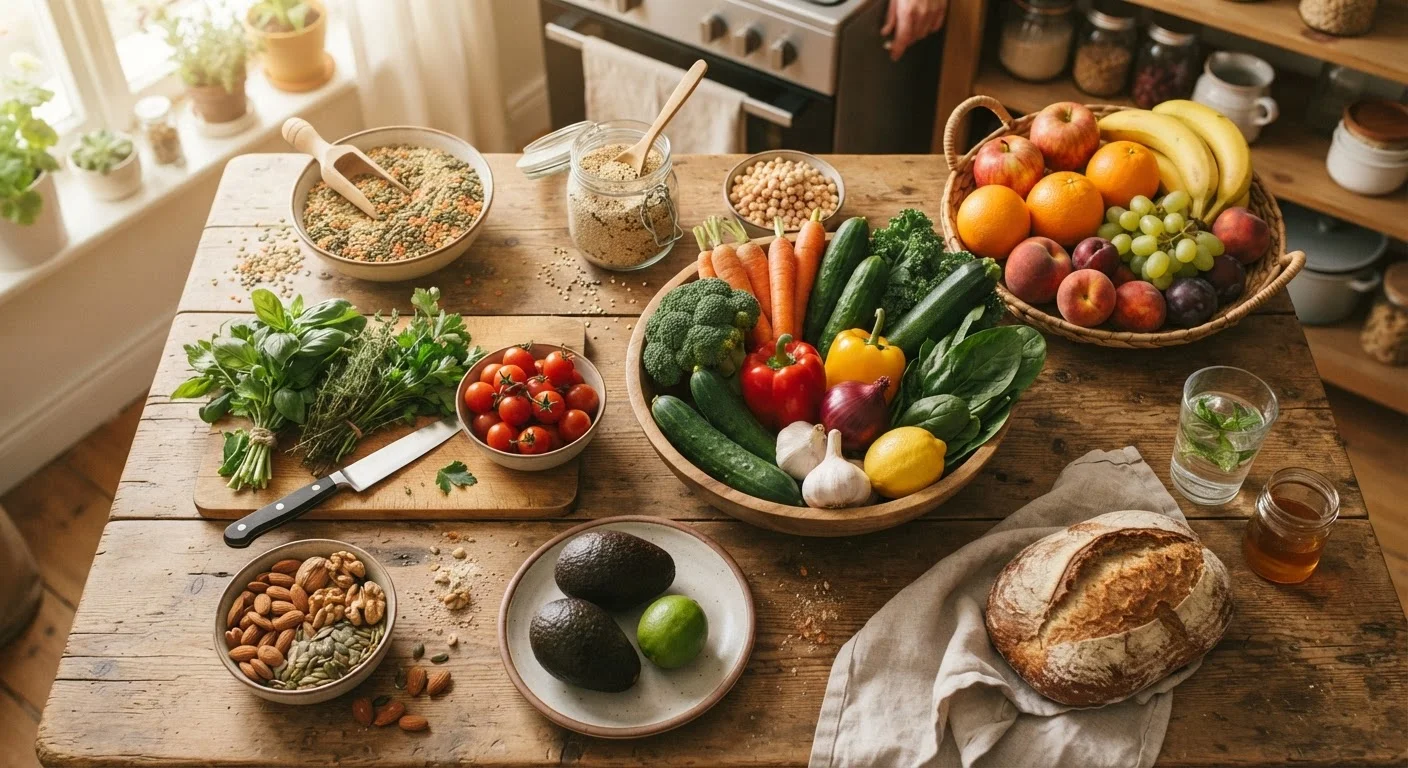
Prioritizing vegetables, whole grains, legumes, and lean proteins as the foundation of shared meals ensures that even a simplified kid's portion has real nutritional value. Building a more nutrient-dense plate doesn't require a diet overhaul — small, consistent choices compound over time.
This approach reduces cooking time, cuts down on food waste, and — critically — avoids the message to children that their palate is a fixed, separate thing. Over time, curiosity naturally builds when kids see adults enjoying the same food presented in front of them.
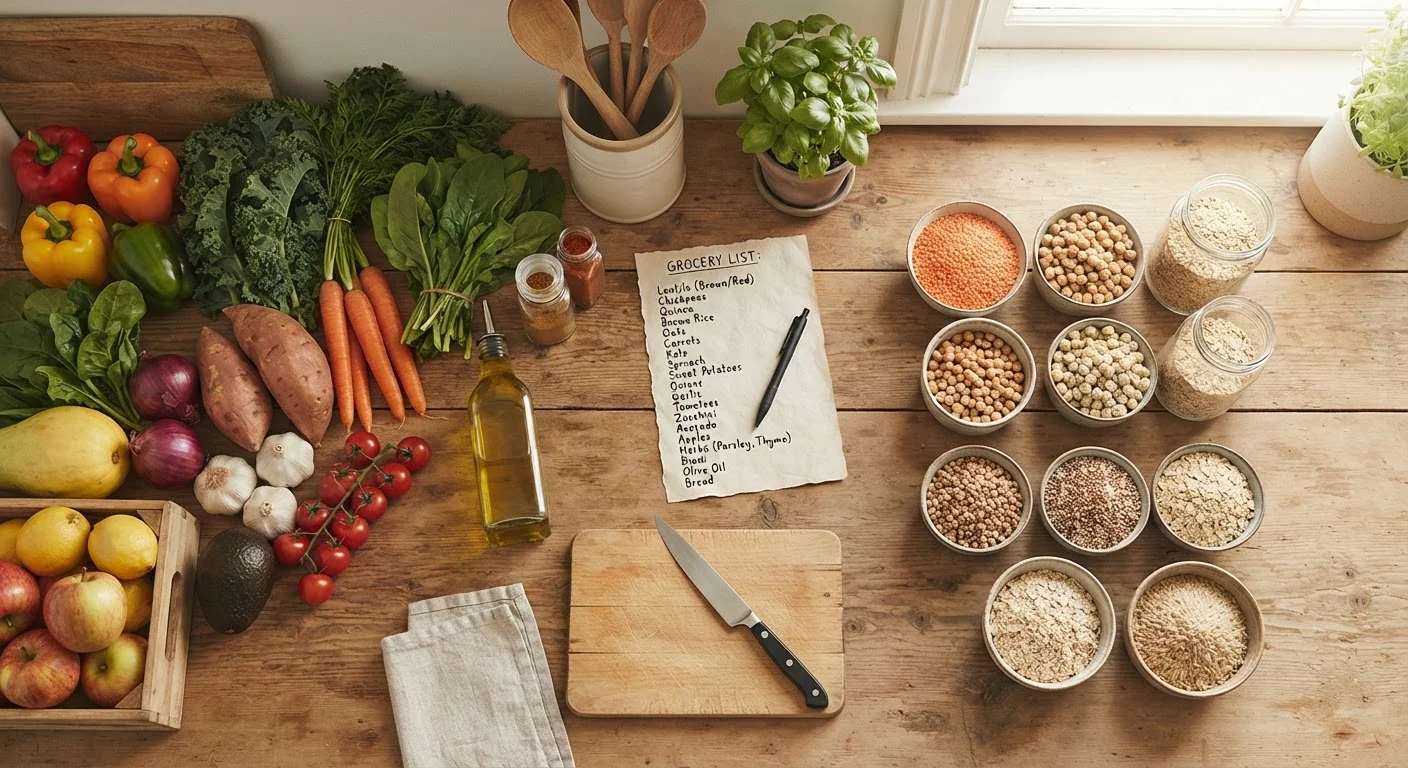
A well-stocked kitchen is the engine behind this strategy. Building a weekly grocery routine around versatile staples — canned beans, whole grains, frozen vegetables, lean proteins — ensures you always have the raw material for a flexible shared meal.
Practical Habits That Reduce Weeknight Stress
Even the best meal strategy collapses under schedule pressure. These habits help maintain nutritional consistency without requiring daily heroics.
Batch cooking is one of the highest-leverage habits a busy family can adopt. Spending an hour or two on a Sunday preparing grains, roasting vegetables, or portioning proteins means weeknight meals become assembly jobs rather than full cooking sessions. This also gives you more control over ingredients than relying on processed convenience foods.
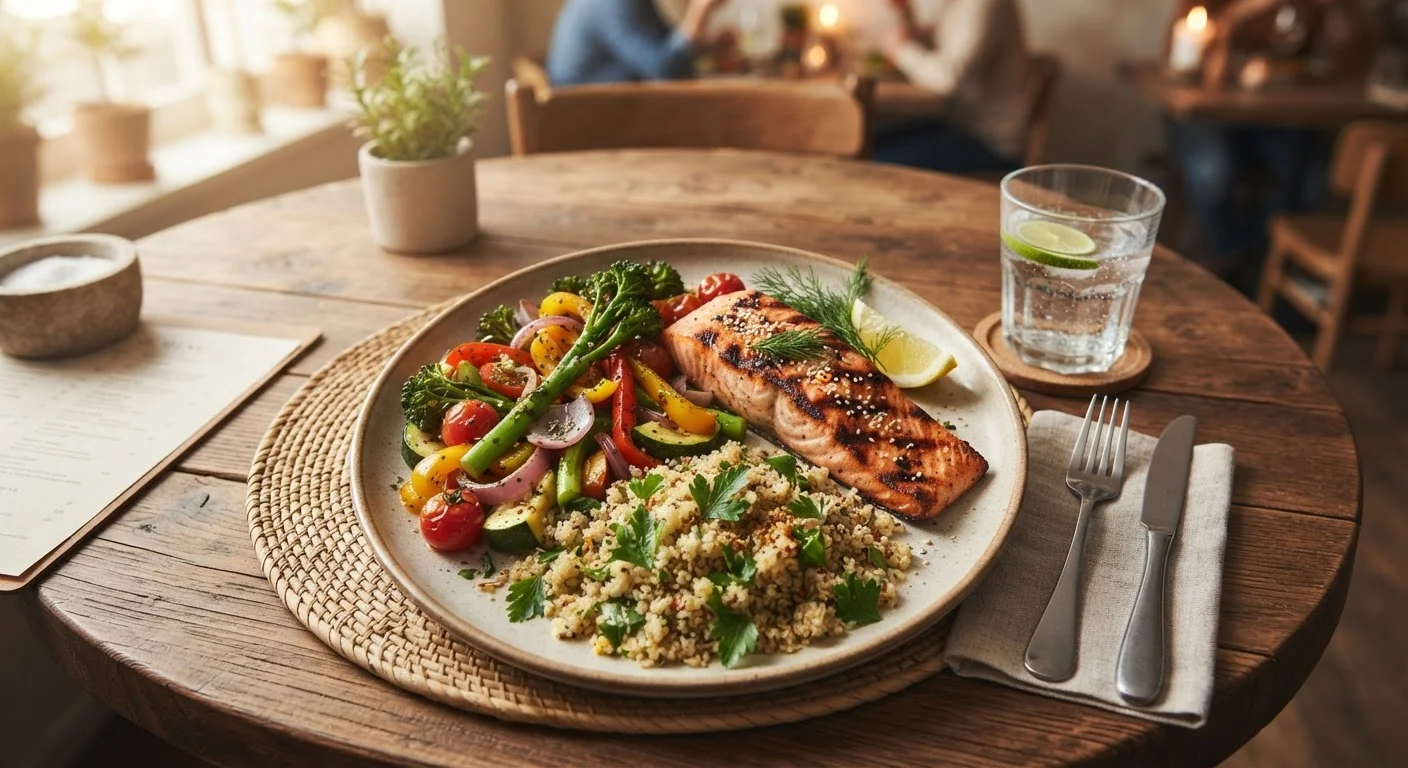
If weeknight takeout is unavoidable, it doesn't have to derail your family's nutrition. Navigating restaurant meals with your habits intact is a learnable skill — and the same principles apply to ordering delivery for the family.
For a broader look at fitting nutritious eating into a packed schedule, practical strategies for eating well when your schedule doesn't cooperate covers the full picture.
This article provides general nutrition information and is not a substitute for personalized guidance from a registered dietitian or healthcare provider. Consult a qualified professional for advice specific to your family's health needs.