Why the Label Layout Is Designed the Way It Is
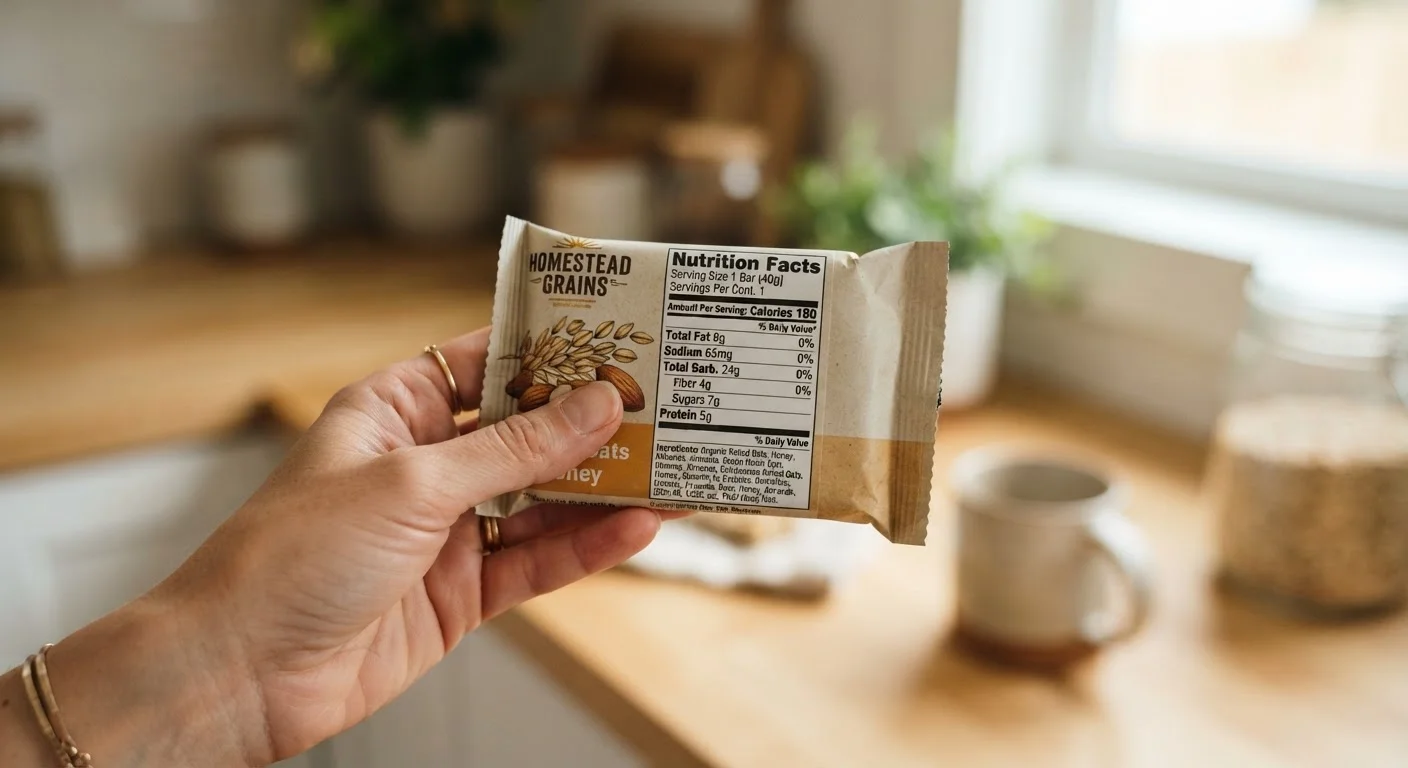
The Nutrition Facts panel on U.S. packaged foods follows a format regulated by the FDA. The current design — updated in 2020 — was revised to reflect what nutrition science has learned about how people actually eat and what nutrients most affect public health. Understanding the logic behind the layout makes the label much easier to use.
The panel moves from the most immediate information (calories and serving size) at the top down to micronutrients at the bottom. Each section builds on the one above it. If you've ever felt overwhelmed by all the numbers, it helps to know you don't need to read every line every time — you just need to know what each section is for. For a deeper look at how macronutrients function inside your body, see the complete macronutrient guide.
Use Labels to Compare, Not Just to Evaluate
One of the most practical uses of a nutrition label is side-by-side comparison. When choosing between two similar products, the label lets you see exactly what differs — fiber content, added sugar, sodium — without relying on front-of-package marketing claims. Front labels say what brands want you to notice; the Nutrition Facts panel is standardized and regulated.
Step-by-Step: How to Work Through a Nutrition Label
Follow these steps in order the first few times you read a label. With practice, the process becomes quick and instinctive.
Start with the serving size
Every number on the label — calories, fat, sodium, everything — applies to one serving as defined on the label, not to the whole package. Check the serving size and servings per container first. If you eat two servings, you double every value shown.
Read the calorie count in context
Calories represent total energy per serving. A higher calorie count isn't automatically bad — calorie density depends on what else the food provides. A handful of nuts is calorie-dense but also high in protein and healthy fats. Context matters.
Scan the macronutrients
Below calories, you'll see total fat, carbohydrates, and protein. Each of these has subcategories: fat breaks into saturated and trans fat; carbohydrates break into dietary fiber and total sugars (with added sugars called out separately). Protein has no required subcategory breakdown. For a detailed explanation of what each macronutrient does, see reading a nutrition label through a macronutrient lens.
Use the % Daily Value column as a rough benchmark
The % Daily Value (%DV) column tells you how much of a nutrient one serving contributes toward daily reference amounts, based on a 2,000-calorie diet. A %DV of 5% or less is generally considered low; 20% or more is considered high. Use this as a directional signal, not a precise target.
Check sodium and micronutrients
Sodium and added sugars are the two nutrients most Americans consume above recommended levels. Below the macronutrients, you'll find sodium, then vitamins and minerals. Current labels are required to list Vitamin D, calcium, iron, and potassium — nutrients the FDA identified as commonly under-consumed. The Vitamins & Minerals hub explains what these micronutrients do and where else to find them.
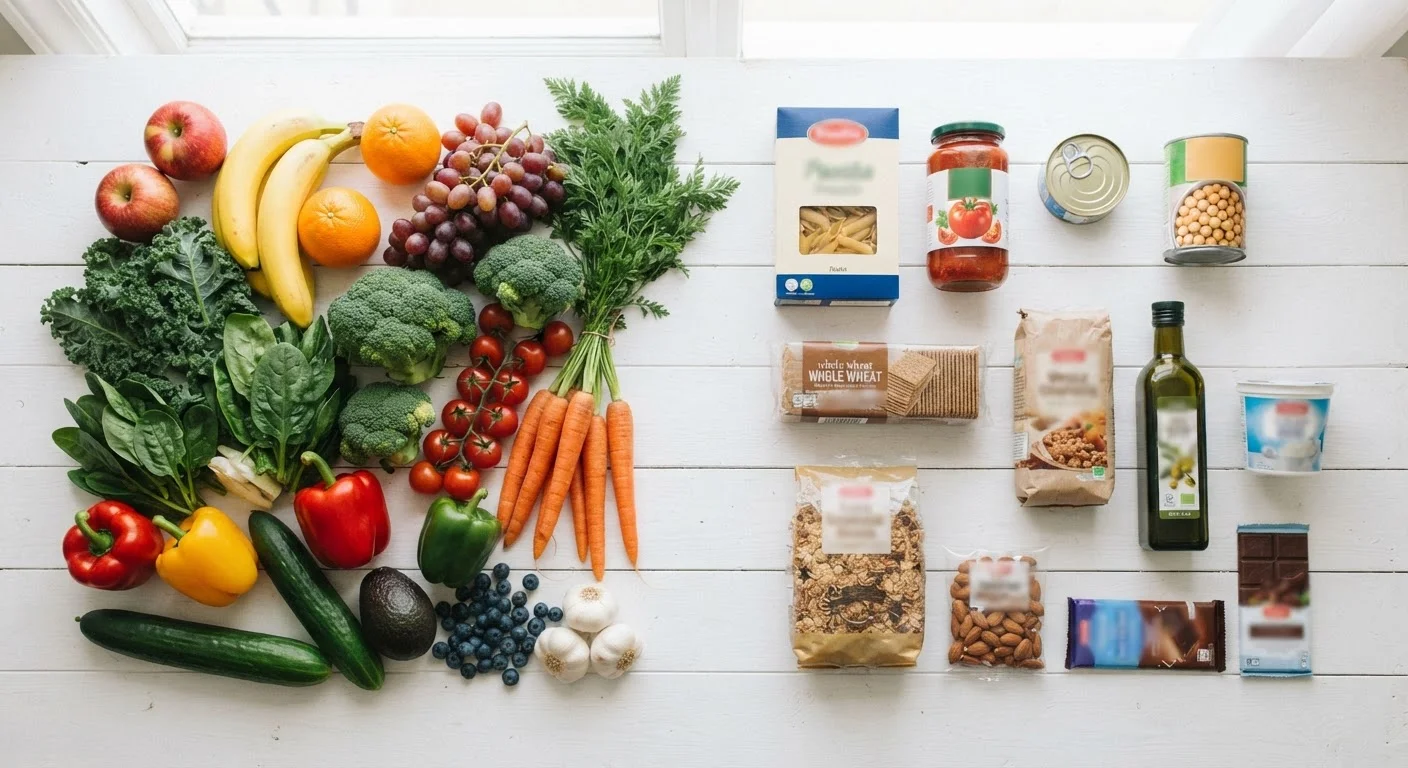
Once you're comfortable reading the Nutrition Facts panel, the ingredient list becomes your next tool. Ingredients are listed in descending order by weight — so the first few ingredients make up the bulk of the product. A food with whole grains or a protein listed first signals a different nutritional profile than one that opens with refined flour or sugar. This connects directly to broader questions about food processing, which the whole foods vs. processed foods guide covers in practical depth.
What Nutrition Labels Don't Tell You
Labels are required to report standardized nutrients — but they can't capture everything relevant to a food's quality. A product can have low sodium and zero added sugar while still being heavily processed. Conversely, some minimally processed foods have naturally high sodium or saturated fat. The number on the label is one data point, not a verdict.
Labels also don't account for how you eat. A snack with 150 calories per serving is only useful information if you're actually eating one serving. Portion awareness matters as much as label literacy. For context on building meals that balance nutrients without obsessive tracking, explore building a macro-aware meal without counting every gram. And when you're eating away from home, labels won't be available — the guide to eating out without abandoning your nutrition goals offers practical strategies for those situations.
This article is for general informational and educational purposes only and is not a substitute for professional medical or dietary advice. Consult a qualified healthcare provider or registered dietitian for personalized guidance.