Defining the Terms: What 'Whole' and 'Processed' Actually Mean
The words whole food and processed food get used loosely in everyday conversation, but they carry specific meanings in nutrition science — and the difference matters when you're trying to make sense of what you eat.
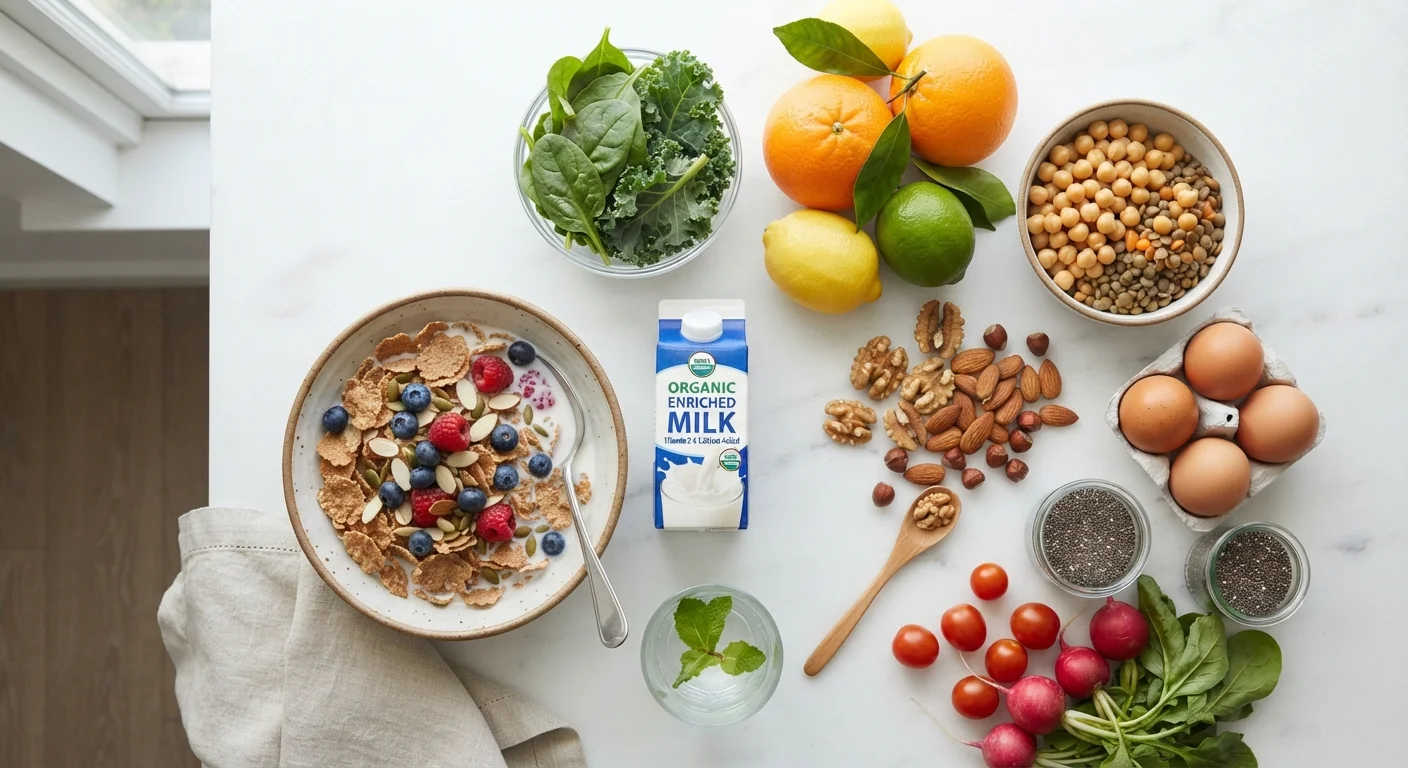
A whole food is one that is consumed in its natural or near-natural state with little to no modification. Think of an apple, a handful of raw almonds, or a plain chicken breast. These foods haven't had components removed or significant additives introduced. They tend to arrive with their full complement of fiber, vitamins, minerals, and phytonutrients intact.
Processed food, by contrast, refers to any food that has been intentionally altered from its natural state. The key word is any — which means this category is enormous and varied. Washing and bagging spinach is technically processing. So is adding salt and sugar to a breakfast pastry. The NOVA classification system, developed by nutrition researchers at the University of São Paulo, organizes food into four groups based on the extent and purpose of processing, and is widely referenced in public health research. At one end sit minimally processed foods like plain frozen peas; at the other sit ultra-processed products engineered for palatability, shelf life, and low cost, often at the expense of nutritional quality.
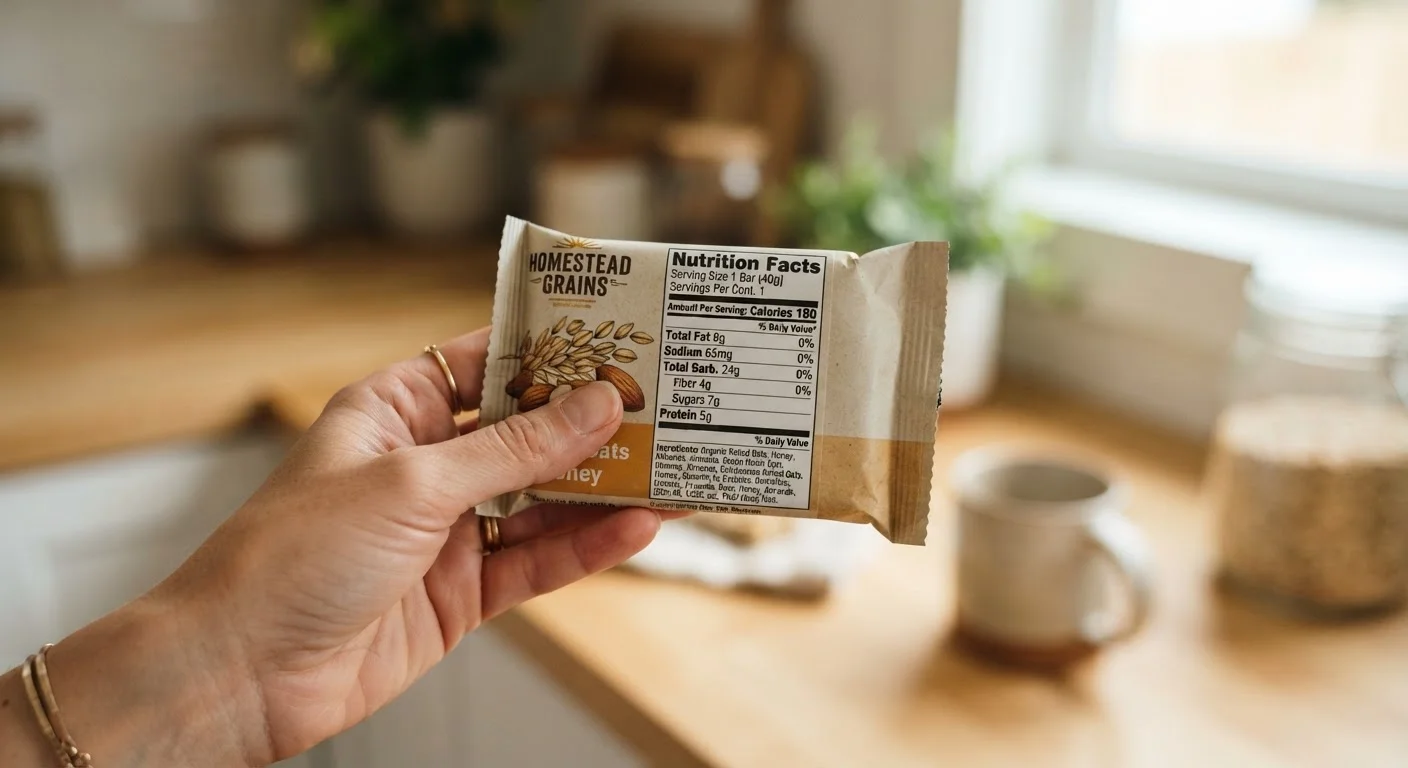
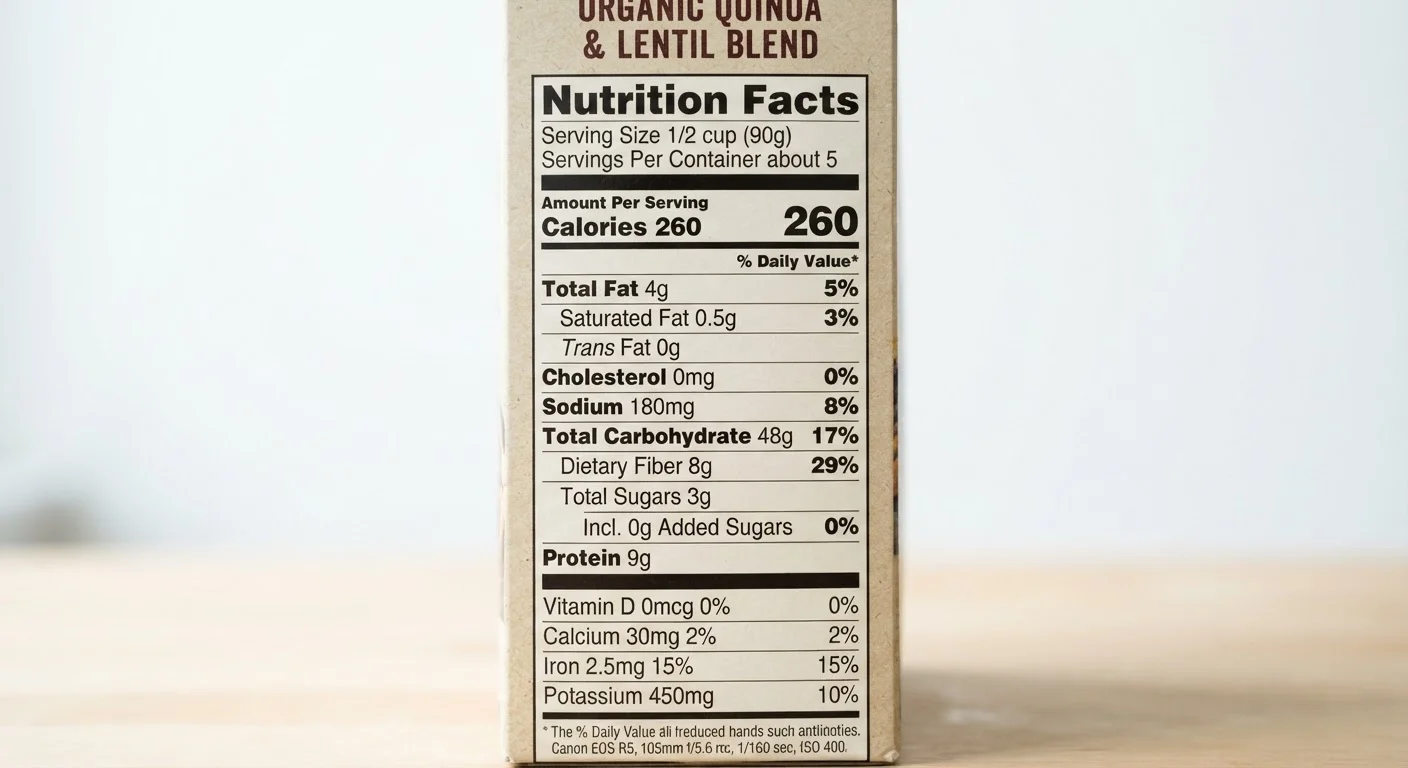
Understanding this spectrum is the first step toward making practical food decisions. For more on interpreting what food labels reveal about a product's contents, see our guide to reading a nutrition label.
How Processing Changes — and Sometimes Preserves — Nutritional Value
Processing isn't automatically destructive. Some methods genuinely preserve or even enhance a food's nutritional value. Freezing vegetables shortly after harvest locks in vitamins that can degrade in fresh produce during long transport and storage. Fermentation creates beneficial bacterial cultures in yogurt and kimchi. Cooking legumes makes their protein more bioavailable and eliminates compounds that interfere with digestion.
Where processing tends to cause nutritional loss is in refinement — the removal of whole grain bran and germ to produce white flour, for example, strips away fiber, B vitamins, and iron. Manufacturers often attempt to compensate through fortification, adding synthetic nutrients back in. Whether those added nutrients perform identically to naturally occurring ones is a nuanced question explored in our article on micronutrients from whole food vs. fortified products.
Ultra-processed products — packaged snacks, sweetened beverages, reconstituted meat products — typically add refined starches, added sugars, excess sodium, and artificial additives while reducing fiber and whole-food components. Observational research has associated high ultra-processed food consumption with poorer diet quality and various health outcomes, though researchers emphasize that overall dietary patterns, rather than individual foods, are the most meaningful unit of analysis.
| Criterion | Whole Foods | Processed Foods |
|---|---|---|
| Definition | Natural or near-natural state, minimal alteration | Altered from natural state to varying degrees |
| Fiber retention | Generally high | Often reduced, especially in refined products |
| Added sugars & sodium | None naturally | Varies widely; often high in ultra-processed items |
| Nutrient density | Typically high relative to calories | Ranges from good (frozen veg) to poor (packaged snacks) |
| Shelf life & convenience | Limited; requires more prep | Often longer shelf life; quicker to prepare |
| Cost | Can be higher per serving | Often more affordable per serving |
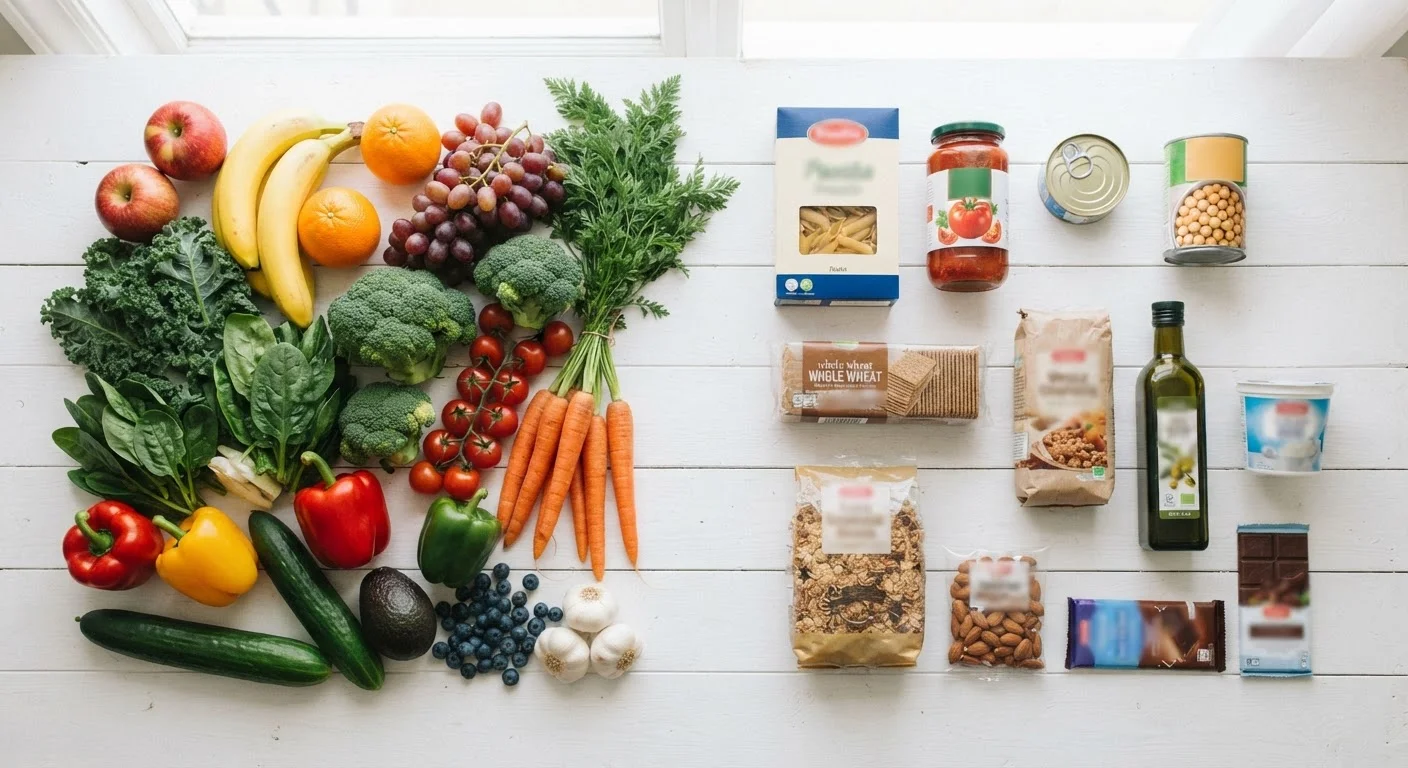
| Examples | Fresh fruit, eggs, raw nuts, leafy greens | Canned beans, frozen vegetables, packaged pastries |
Practical Guidance: Using This Knowledge in Real Life
For most American households juggling work, family, and budget pressures, a diet built entirely on unprocessed whole foods is neither realistic nor necessary. The more useful goal is to identify where on the processing spectrum your regular choices fall — and to lean toward the minimally processed end when options are available and affordable.
A few reliable habits can help. First, use the ingredient list rather than front-of-pack claims to gauge a product's processing level. A short list of recognizable ingredients typically signals less processing. Second, pay attention to what's been added: sodium, sugars, and hydrogenated oils appearing high on the ingredient list are signals of heavier processing. Our guide to reading labels through a macronutrient lens can help you interpret those panels more fluently.
Third, treat minimally processed staples — canned beans, plain oats, frozen broccoli, low-sodium canned fish — as nutritional allies rather than compromises. These foods bridge the gap between whole-food nutrition and the demands of real American schedules. And if you're curious how different food forms affect blood sugar and satiety, our piece on simple vs. complex carbohydrates adds useful context.
This article is for general informational and educational purposes only and is not a substitute for professional medical or dietary advice. If you have specific health conditions or dietary concerns, please consult a qualified healthcare provider or registered dietitian.