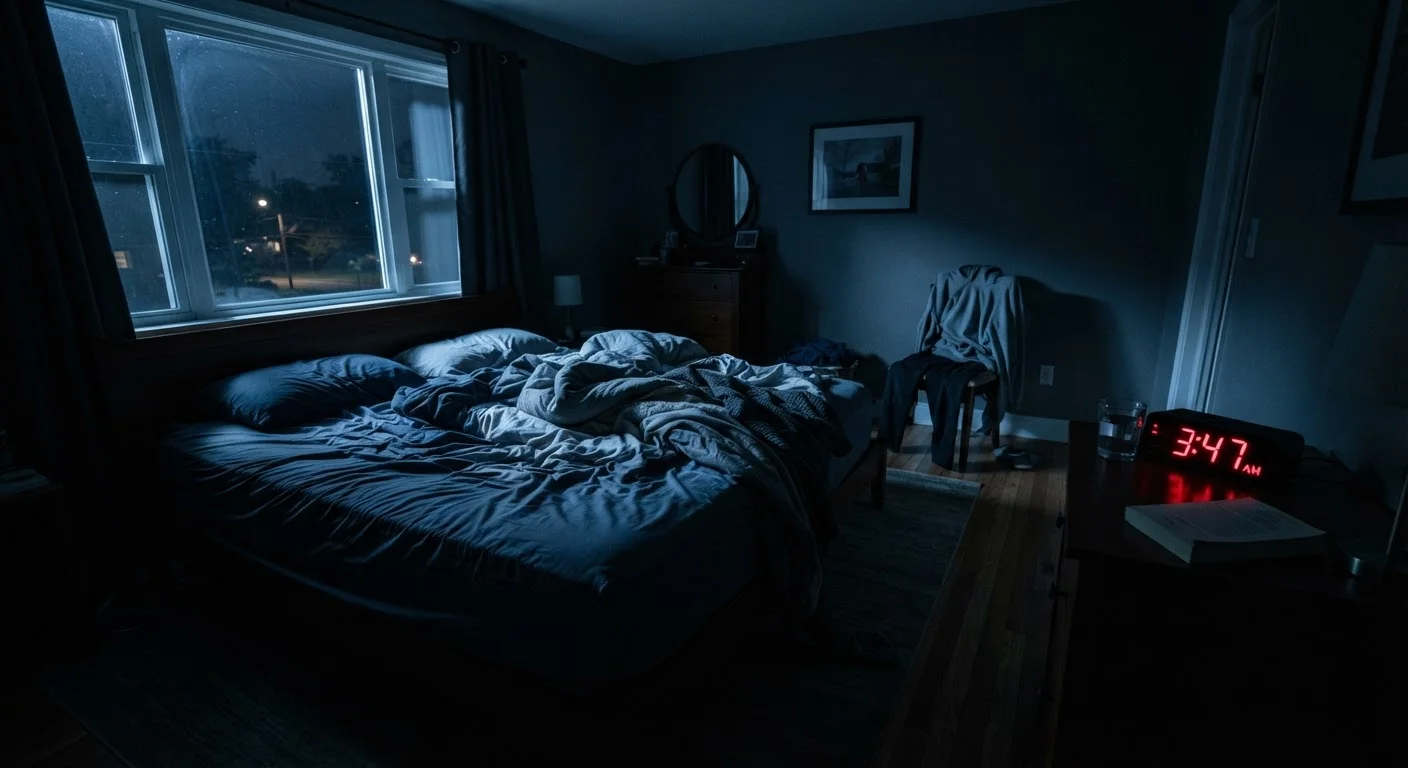

Why Preparation Makes the Difference
Sleep problems are notoriously difficult to describe in a clinical setting. You may feel exhausted, but when asked to explain how your sleep is disrupted — the timing, the frequency, what wakes you — the details often blur together. A doctor working with incomplete information may order tests that miss the real issue, or offer general advice that doesn't fit your specific pattern.
Spending time before your appointment to observe and record what's happening gives your clinician the raw material they need. This checklist is designed to guide that process. It covers what to track, for how long, and what details matter most. For broader context on how habits can quietly worsen sleep over time, see our article on common habits that make sleep disorders worse.
This article provides general health information for educational purposes only and is not a substitute for professional medical advice. Always consult a qualified healthcare provider about your specific symptoms.
Sleep Pattern Basics
Nighttime Symptoms
Daytime Functioning
Lifestyle and Environmental Factors
How to Use This Information at Your Appointment
Once you've tracked data for one to two weeks, organize it into a brief written summary you can hand to your provider or read from during the visit. Clinicians appreciate concrete numbers — bed times, wake times, hours of sleep estimated — far more than general impressions like "I sleep terribly."
Bring your notes on paper or on your phone. If you use a wearable device or sleep-tracking app, consider sharing that data as a supplement, but clarify that consumer devices vary in accuracy and should not replace a clinical sleep study if one is recommended.
If your appointment is a general checkup rather than a dedicated sleep consultation, see our guidance on making the most of a preventive care visit to help prioritize your concerns. And if your physician recommends improving your nightly routine while you await further evaluation, the pre-bed routine audit is a practical starting point. For a comprehensive view of sleep health across all dimensions, the full picture on sleep resource covers biology, environment, and when to seek professional help.
Sleep Diary or Journal
Records nightly sleep timing, symptoms, and daytime functioning in one consistent place over the tracking period.
Pen and Notepad (or Notes App)
Captures observations in real time so details aren't forgotten before your appointment.
Wearable Sleep Tracker or Smartphone App
Provides supplemental data on sleep duration and movement patterns, though accuracy varies and should be treated as informal data.
Voice or Audio Recording App
Can help detect snoring or irregular breathing sounds during the night when a bed partner is unavailable.