What Sleep Hygiene Actually Means
The phrase sleep hygiene can sound clinical, but it simply refers to the habits, behaviors, and environmental conditions that either support or undermine your sleep. Think of it the same way you think about dental hygiene — a set of practices you build over time that protect something essential to your health. Sleep hygiene covers far more than just a bedtime routine, encompassing your entire day's relationship with rest.
For restless sleepers, the good news is that many of the factors influencing sleep quality are within your control. The less encouraging reality is that there is no single switch to flip — sustainable improvement comes from layering several evidence-informed habits consistently over time.
Sleep hygiene
The collection of daily behaviors, habits, and environmental conditions that influence how well and how consistently you sleep.
Circadian rhythm
Your body's internal 24-hour biological clock that regulates the timing of sleep, wakefulness, and many other physiological processes based on light and darkness cues.
Sleep pressure
The progressive biological drive to sleep that builds up the longer you are awake, also known as homeostatic sleep drive.
Melatonin
A hormone produced by the brain's pineal gland in response to darkness that signals the body to prepare for sleep.
Sleep architecture
The pattern and structure of sleep cycles throughout the night, including lighter sleep stages, deep sleep, and REM sleep — each serving different restorative functions.
CBT-I
Cognitive Behavioral Therapy for Insomnia — a structured, evidence-based treatment that addresses the thoughts and behaviors contributing to chronic sleep difficulties, without medication.
The Two Forces That Drive Sleep
Before changing any habits, it helps to understand what actually makes you sleepy. Two biological systems work in tandem to regulate sleep.
Circadian rhythm is your internal 24-hour clock, driven largely by light exposure. It signals alertness during daylight hours and releases melatonin as darkness falls, cueing the body to prepare for sleep. Sleep pressure — sometimes called homeostatic sleep drive — is the accumulating desire for sleep that builds the longer you are awake. The longer you stay up, the stronger the urge to sleep.
Both systems need to align for you to fall asleep easily and sleep through the night. Irregular schedules, excessive light at night, and long daytime naps can throw them out of sync. Understanding this is the foundation for every habit that follows.
Building Your Sleep Environment
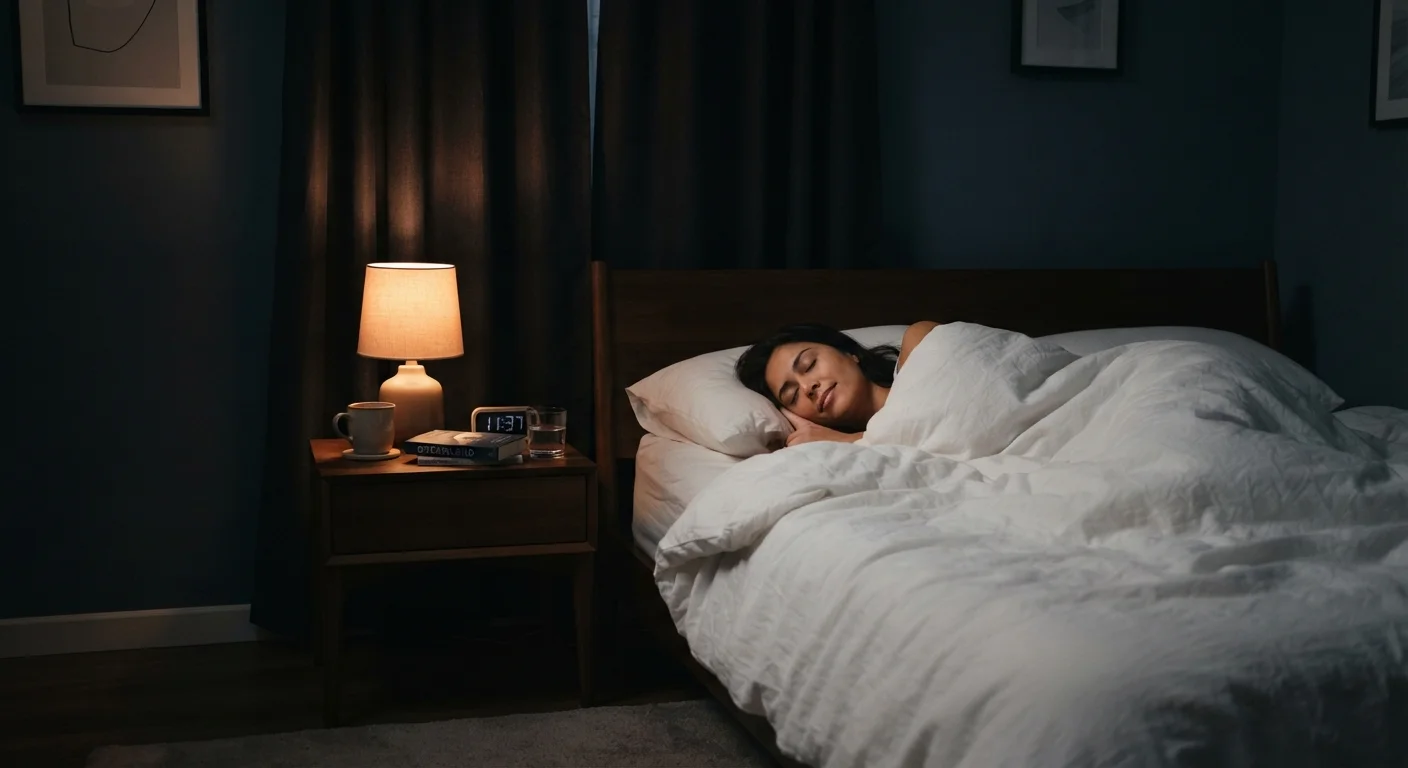
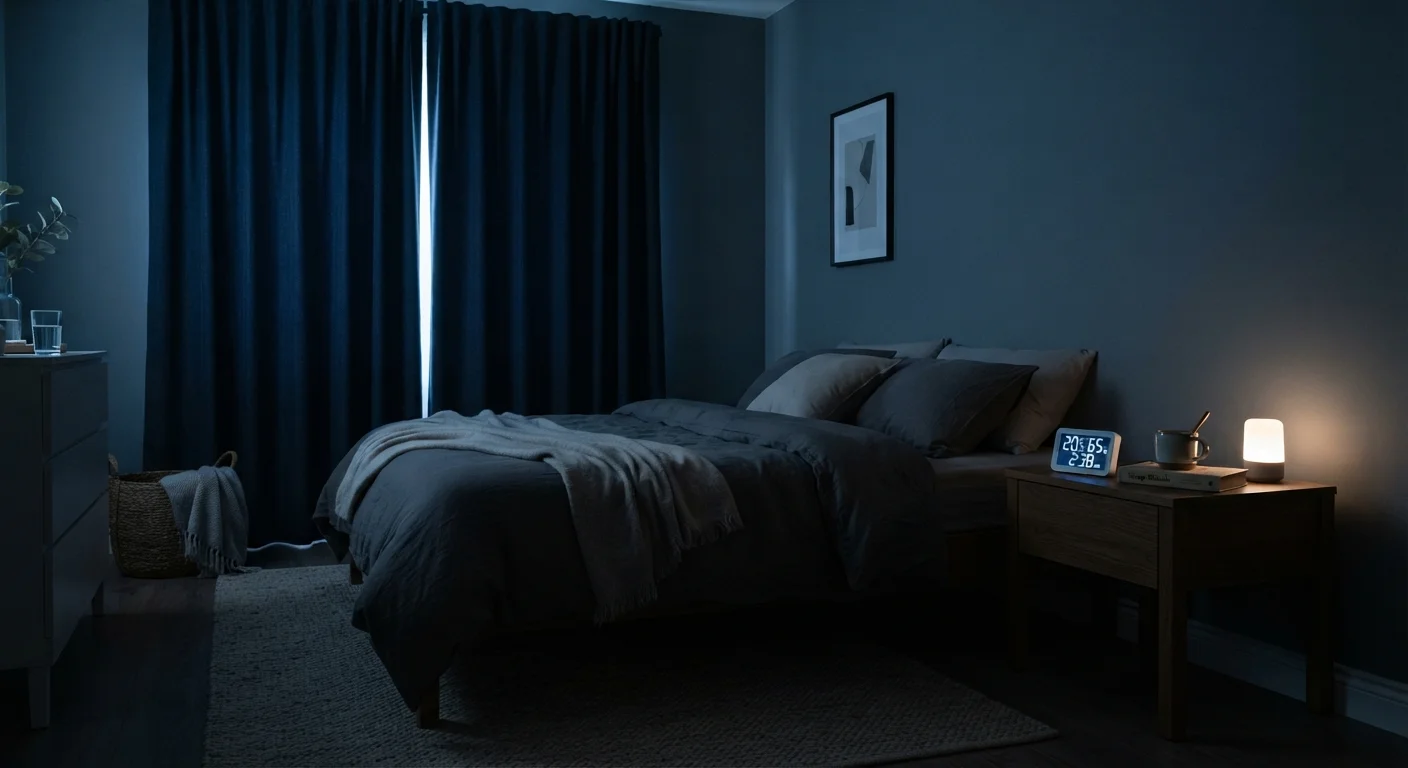
Your bedroom sends signals to your brain — signals that either prepare it for sleep or keep it alert. Temperature, sound, and light each play a distinct role in sleep quality, and adjusting even one of them can produce a noticeable difference.
- Temperature: A cooler room supports the natural drop in core body temperature that accompanies sleep onset. Most adults sleep best in environments around 65–68°F (18–20°C), though personal comfort varies.
- Light: Darkness signals the brain to release melatonin. Blackout curtains, covering standby lights, and dimming overhead lighting in the hour before bed all reinforce this process.
- Sound: Consistent low-level noise (such as a fan or white noise) tends to be less disruptive than unpredictable sounds. If outside noise is a problem, earplugs or a white noise machine are practical options.
For a structured review of your space, a room-by-room audit can help identify overlooked factors.
Evening Habits That Set the Stage
The hour or two before bed functions as a transition zone. Treating it that way — rather than squeezing in stimulating activities right up to lights-out — helps the nervous system downshift into a state that supports sleep onset.
Try a Simple 30-Minute Wind-Down
Choose two or three calming activities — such as reading a physical book, gentle stretching, or writing in a journal — and do them in the same order each night. Over time, the sequence itself becomes a sleep cue. The activities matter less than their consistency.
- Wind-down routine: Consistent pre-sleep activities (reading, light stretching, or a warm shower) become cues that signal sleep is approaching. Repetition is what makes them effective.
- Screen limitation: Blue light from devices suppresses melatonin and keeps the mind engaged. Reducing screen use in the final hour before bed supports the natural transition to sleepiness.
- Consistent sleep and wake times: Going to bed and waking at the same time every day — including weekends — reinforces your circadian rhythm more reliably than almost any other single habit.
- Avoid large meals and alcohol close to bedtime: Both can interfere with sleep architecture. Alcohol may initially induce drowsiness but disrupts the deeper, more restorative stages of sleep.
Daytime Choices That Shape Nighttime Sleep
Sleep hygiene does not begin at bedtime — it starts when you wake up. Choices made throughout the day either build or borrow from your sleep capacity.
Caffeine: Caffeine has a half-life of roughly five to six hours in most adults, meaning half of a mid-afternoon coffee is still active in your system by late evening. Many sleep researchers suggest cutting off caffeine by early-to-mid afternoon as a reasonable guideline, though sensitivity varies by individual.
Physical activity: Regular moderate exercise is consistently linked to better sleep quality. Morning or afternoon exercise tends to be most beneficial; vigorous workouts very close to bedtime may raise alertness in some people, though responses differ.
Light exposure: Getting natural light in the morning helps anchor your circadian clock. Even a short walk outdoors can reinforce a healthy sleep-wake cycle.
For a comprehensive look at how all these factors interact, the full picture on sleep covers habits, biology, and environment together. You can also explore evidence-based sleep and recovery strategies as you build your routine.
When to Seek Professional Guidance
Sleep hygiene is a powerful starting point, but it has limits. If you have applied consistent changes for several weeks and still struggle to fall asleep, stay asleep, or feel rested, a healthcare provider can help identify whether an underlying condition — such as sleep apnea, restless legs syndrome, or chronic insomnia disorder — may be involved.
Cognitive Behavioral Therapy for Insomnia (CBT-I) is recognized by sleep medicine specialists as the most effective long-term treatment for chronic insomnia and does not involve medication. A primary care physician or a board-certified sleep specialist can assess your situation and recommend appropriate next steps.
This article is for general informational and educational purposes only and does not constitute medical advice. If you are experiencing significant or persistent sleep difficulties, please consult a qualified healthcare professional for personalized guidance.