What OTC Sleep Aids Are — and What They Are Not
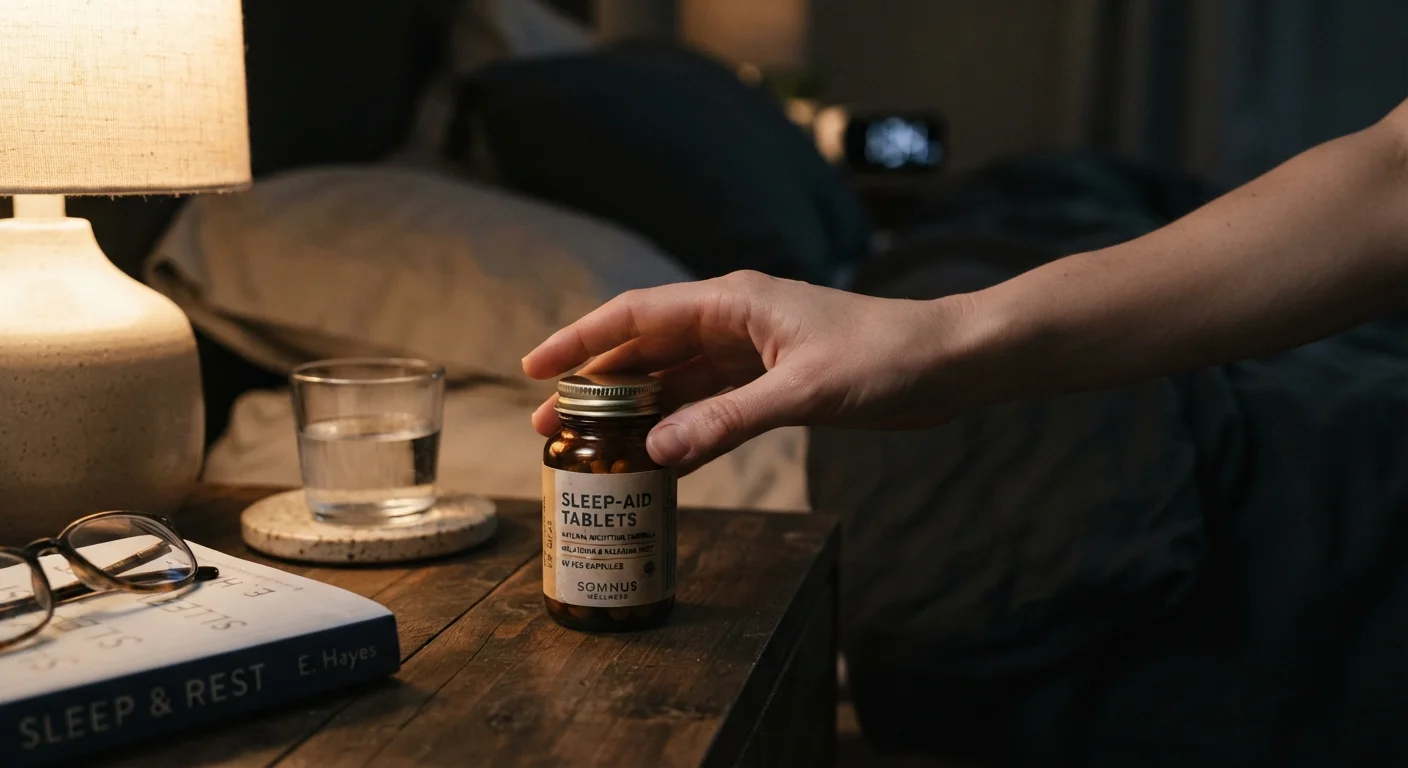
Over-the-counter sleep aids are non-prescription products marketed to help people fall or stay asleep. Despite their widespread availability, many consumers don't fully understand what these products do — or what they can't do. Understanding the distinction matters, particularly if poor sleep has become a pattern rather than an isolated occurrence.
The most common OTC sleep aids fall into two broad categories: antihistamine-based products (such as diphenhydramine or doxylamine) and melatonin supplements. A smaller number of products combine these with other ingredients like valerian root or L-theanine, though the evidence base for those additions is limited. It's worth noting that none of these are classified as treatments for sleep disorders by the FDA — they are intended for occasional sleeplessness only.
If you've been struggling with disrupted sleep for weeks or longer, understanding what's actually happening when you can't sleep is a useful starting point before reaching for a bottle.
How Antihistamine Sleep Aids Work
Diphenhydramine and doxylamine — the active ingredients in most OTC sleep products — are antihistamines originally developed to treat allergies. Their sedating effect is a side effect, not a mechanism designed around sleep physiology. They work by blocking histamine receptors in the brain, which reduces alertness and causes drowsiness.
This distinction matters clinically. These drugs do not promote the natural architecture of sleep — the cycling of light, deep, and REM stages your body needs. Research suggests they may actually suppress REM sleep in some individuals, which can affect memory consolidation and mood regulation.
Readily available without a prescription
OTC sleep aids can be purchased at pharmacies and grocery stores without a doctor's visit, making them accessible for people seeking immediate short-term relief from occasional sleeplessness.
Useful for brief, situational sleeplessness
For isolated disruptions like jet lag or acute stress, antihistamine-based products may provide enough temporary drowsiness to help restore a normal sleep schedule over a few nights.
Melatonin supports circadian rhythm adjustment
Low-dose melatonin has a meaningful evidence base for helping shift workers and travelers re-align their body clock, without the side effect profile of antihistamines.
Generally low risk at recommended doses for short-term use
When used as directed for a few nights, most OTC sleep aids are unlikely to cause serious harm in healthy adults without contraindicated conditions or medication interactions.
Tolerance is another significant concern. Many people find that antihistamine sleep aids become noticeably less effective after just three to five nights of consecutive use, as the brain adapts to the histamine blockade. This can lead to increasing doses or nightly reliance without genuine improvement in sleep quality.
What Melatonin Actually Does
Melatonin is a hormone produced by the pineal gland that helps signal to your body that it's time to sleep. Supplemental melatonin is most effective at adjusting the timing of sleep — particularly useful for jet lag or shift work — rather than inducing sleep on demand in a well-rested person at a normal bedtime.
Melatonin Is a Hormone, Not a Drug
In the United States, melatonin is sold as a dietary supplement, which means it is not subject to the same pre-market safety and efficacy review as prescription medications. Product quality and actual melatonin content can vary considerably between brands. An independent analysis published in the Journal of Clinical Sleep Medicine found that melatonin content in tested supplements ranged widely from labeled doses. This is an important context for consumers choosing supplementation.
Importantly, melatonin is not a sedative. It won't knock you out. Studies generally support low doses (0.5–1 mg) for circadian rhythm adjustment, though many commercial products contain far higher amounts. The relationship between dose and effect with melatonin is not straightforwardly linear, and very high doses are not necessarily more effective.
For most people with garden-variety insomnia, melatonin is unlikely to provide the relief they're expecting. Common sleep-disrupting habits — explored in our piece on habits that quietly deepen sleep problems — often need to be addressed alongside or instead of supplementation.
The Case For — and Against — Using OTC Sleep Aids
OTC sleep aids occupy a complicated place in sleep health. For brief, situational sleeplessness — a bout of travel disruption, a short-term stressful period — they may provide enough short-term relief to keep daytime function intact. That's a real and legitimate benefit.
Tolerance develops rapidly with regular use
Antihistamine-based sleep aids can lose noticeable effectiveness within three to five consecutive nights, leading some users to increase their dose without achieving better sleep.
Next-day grogginess is common
Diphenhydramine has a long half-life and can cause residual sedation — sometimes called a 'hangover effect' — that impairs cognitive performance and reaction time the following day.
Do not treat underlying sleep disorders
OTC aids address sleepiness as a symptom; they do nothing to resolve conditions like insomnia disorder, sleep apnea, or restless legs syndrome, which require targeted clinical management.
Potential interactions with other medications
Antihistamines interact with a range of common drugs including antidepressants, anxiety medications, and opioids, increasing sedation risk. Individuals on multiple medications should consult a pharmacist or physician before use.
May suppress natural sleep architecture
Research suggests that diphenhydramine can reduce time spent in REM sleep, which plays a critical role in emotional processing and memory consolidation.
Extra caution needed for older adults
The American Geriatrics Society includes diphenhydramine on its Beers Criteria list of medications considered potentially inappropriate for older adults, due to heightened risks of confusion, falls, and urinary retention. Older individuals should consult a healthcare provider before use.
However, their limitations are substantial, and the risks of misuse are real. Perhaps most importantly, frequent use of OTC sleep aids can delay recognition and treatment of underlying conditions. Sleep apnea, for example, is a disorder in which the airway becomes obstructed during sleep — no antihistamine will address that. Cognitive Behavioral Therapy for Insomnia (CBT-I) is considered the first-line treatment for chronic insomnia by sleep medicine specialists, yet many people cycle through OTC aids for months or years before ever hearing of it.
It's also worth revisiting common assumptions about what helps or hurts sleep. Our article on sleep myths and what research actually shows addresses several widely held beliefs that can undermine good sleep hygiene — including some that interact directly with how OTC products are used. Similarly, substances like alcohol and caffeine have well-documented effects on sleep architecture — covered thoroughly in our piece on how common substances disrupt your rest.
This article is for general informational purposes only and does not constitute medical advice. If you are experiencing persistent sleep difficulties, please consult a qualified healthcare professional.