Why 'Not Sleeping Well' Isn't One Thing
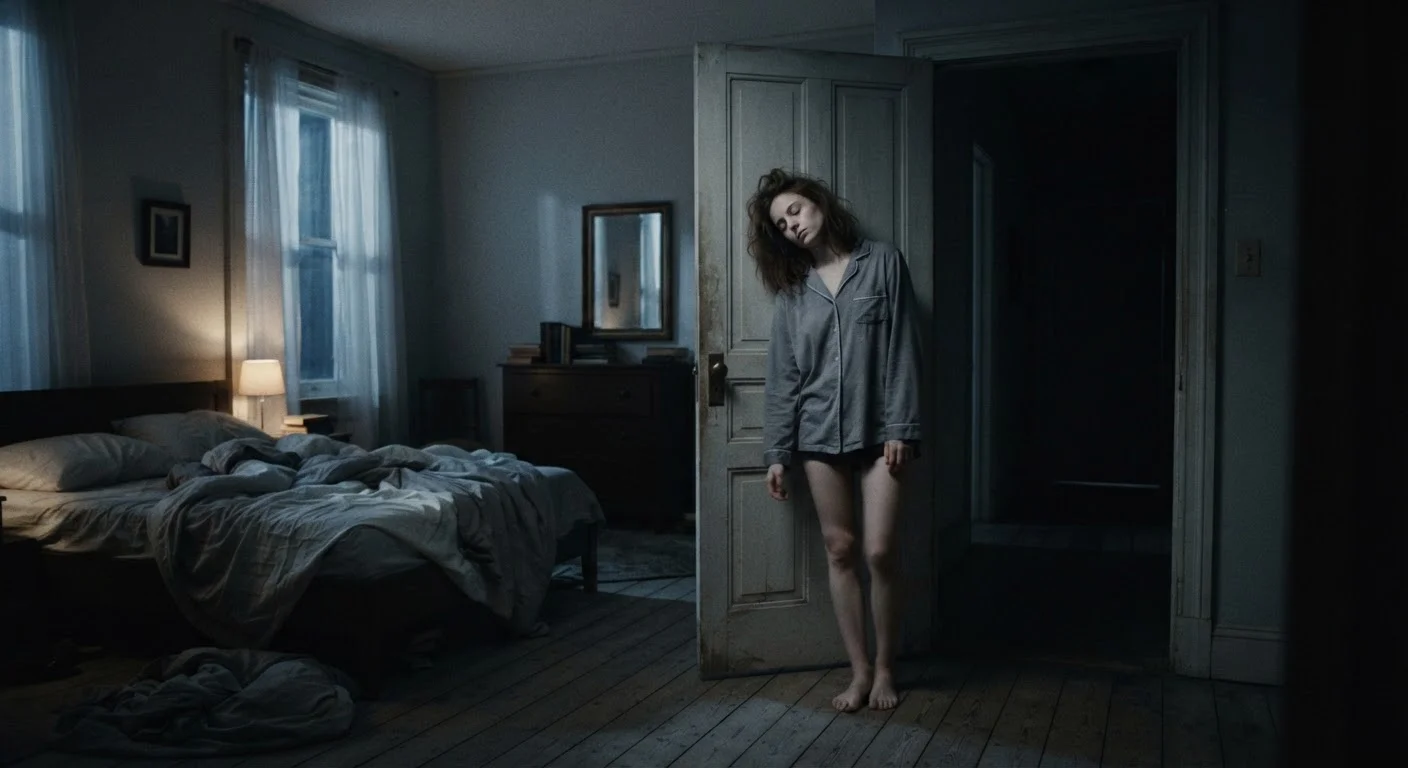
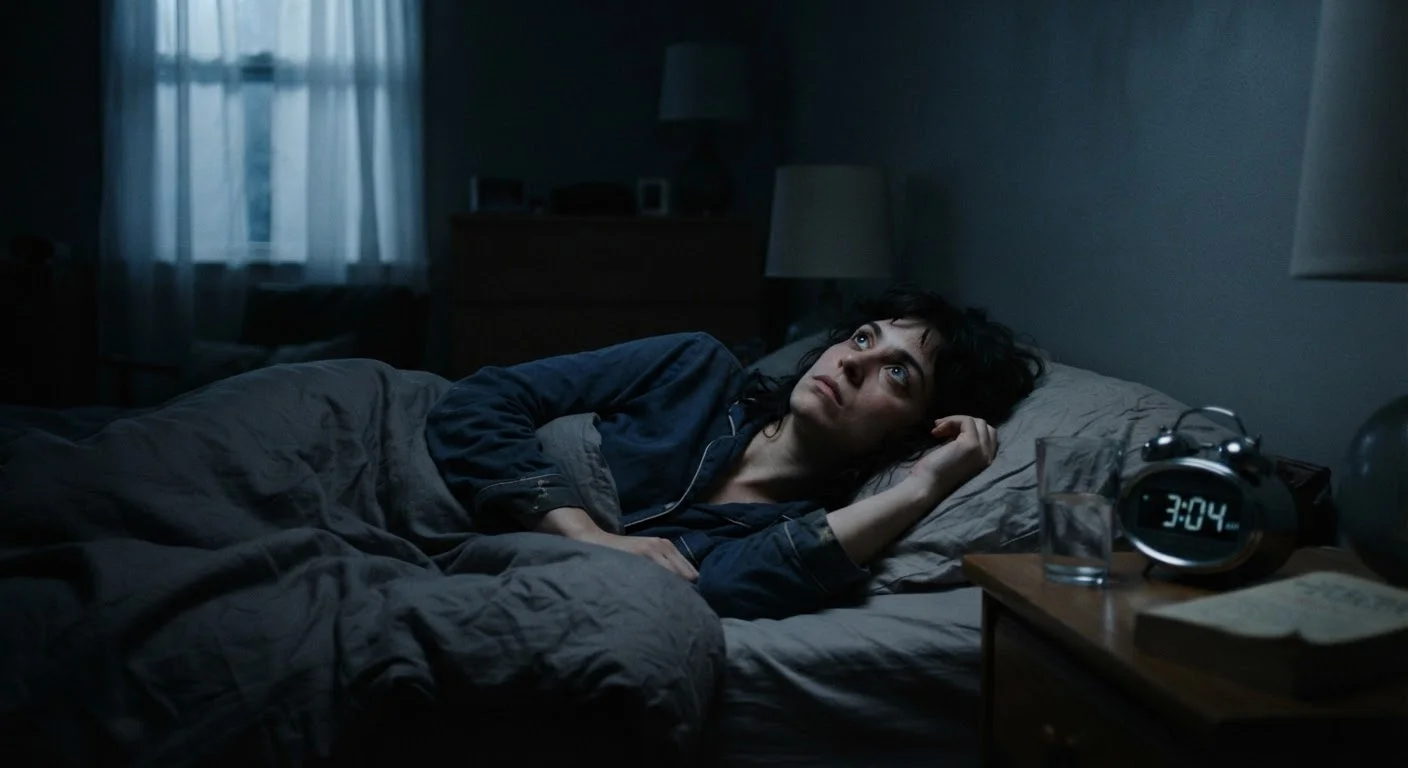
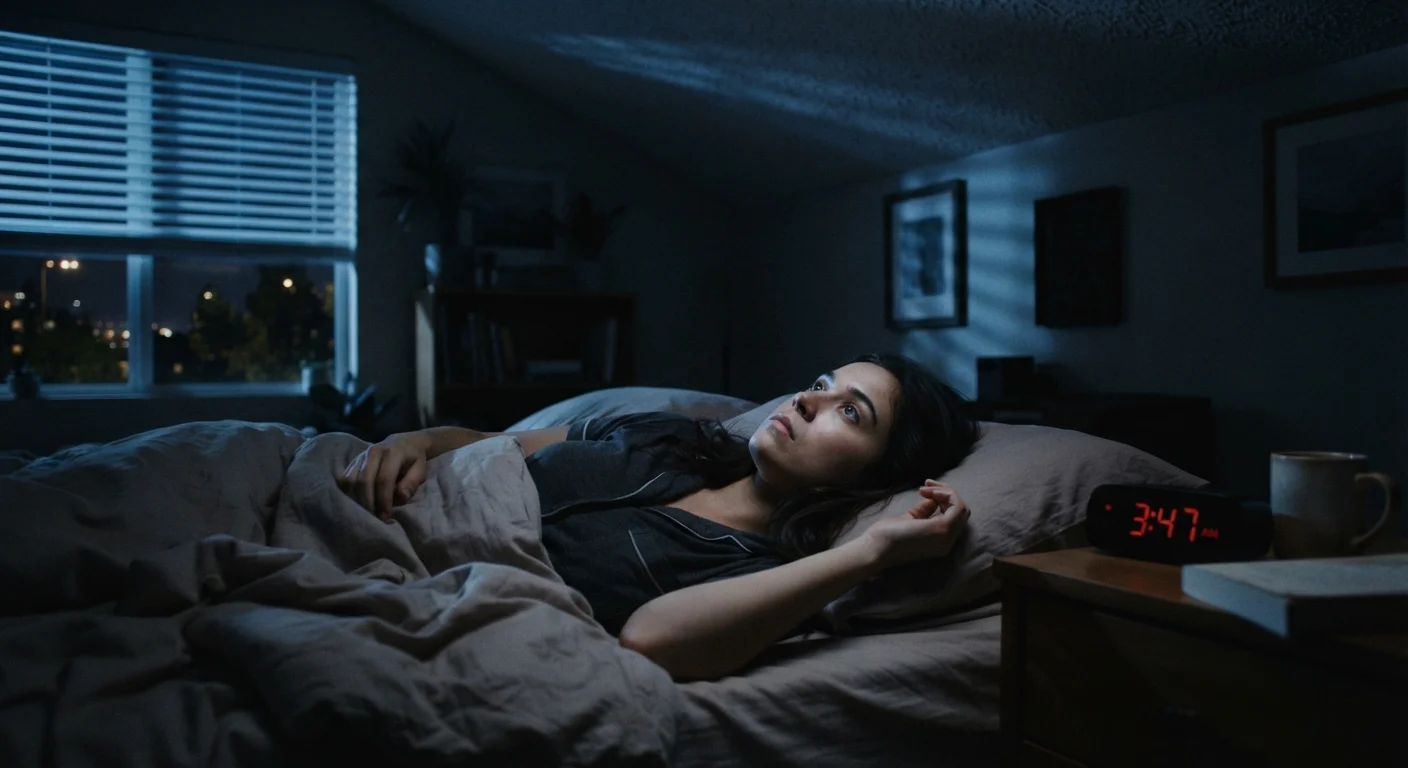
When someone says they can't sleep, that phrase can mean dozens of different things. Maybe they lie awake for hours after going to bed. Maybe they fall asleep fine but wake at 3 a.m. and can't get back to sleep. Maybe they sleep a full eight hours and still wake up exhausted. Or maybe they fall asleep suddenly and involuntarily in the middle of the day.
Each of these experiences points toward a different underlying mechanism — and a different category of sleep disorder. Understanding that distinction matters because the right response depends entirely on what's actually happening in the brain and body during the night.
Sleep disorders are not a single condition. They are a broad family of medically recognized problems, each with distinct causes, patterns, and consequences. Grouping them all under the label "bad sleep" obscures what's really going on — and can delay effective care.
The Main Categories of Sleep Disorders
Sleep medicine organizes sleep disorders into several major categories based on their core mechanism:
- Insomnia disorders — difficulty initiating or maintaining sleep, or waking too early, despite adequate opportunity for sleep. The brain essentially stays in a state of heightened arousal when it should be winding down.
- Sleep-related breathing disorders — conditions like obstructive sleep apnea (OSA), where the airway partially or fully collapses during sleep, causing the body to rouse itself repeatedly to restore breathing. Many people with OSA have no awareness that this is happening.
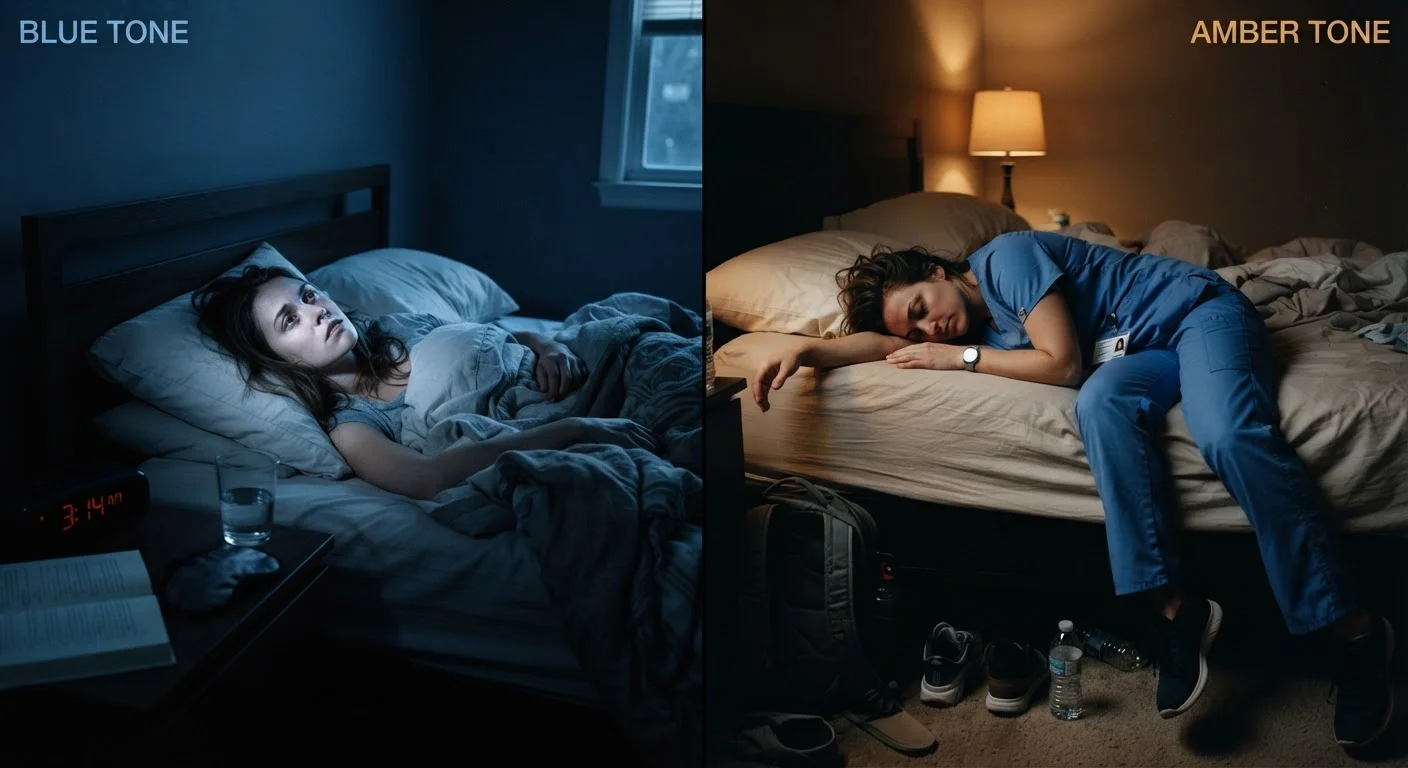
- Circadian rhythm sleep-wake disorders — misalignments between a person's internal biological clock and the external day-night cycle. Shift workers, night owls with delayed sleep phase disorder, and frequent long-haul travelers often experience this category.
- Parasomnias — unusual behaviors or experiences that occur during sleep transitions or specific sleep stages, including sleepwalking, night terrors, and REM sleep behavior disorder. Learn more in our overview of parasomnias.
- Hypersomnolence disorders — conditions marked by excessive daytime sleepiness despite adequate or even extended nighttime sleep. Narcolepsy is the most recognized example.
- Sleep-related movement disorders — restless legs syndrome (RLS) and periodic limb movement disorder fall here, involving uncomfortable sensations or repetitive limb movements that fragment sleep.
50–70M
Americans affected by sleep disorders
According to the American Academy of Sleep Medicine, an estimated 50 to 70 million Americans have a chronic sleep disorder.
~80%
Sleep apnea cases that go undiagnosed
Research estimates that the majority of people with obstructive sleep apnea remain undiagnosed, often because symptoms occur during sleep and aren't self-reported.
1 in 3
Adults reporting insufficient sleep
The CDC has reported that roughly one in three U.S. adults regularly gets less sleep than is recommended — a figure that overlaps significantly with undiagnosed sleep disorders.
What's Actually Happening Biologically
Each category reflects a different biological failure point. In insomnia, research points to a state of hyperarousal — an overactive stress response system that keeps the brain from transitioning smoothly into sleep. In obstructive sleep apnea, the problem is structural and muscular: throat tissues relax excessively during sleep, narrowing or blocking the airway.
Circadian rhythm disorders stem from disruption of the body's master clock, controlled by the suprachiasmatic nucleus in the brain, which is itself regulated largely by light exposure. When that clock is out of phase with daily life, sleep pressure and wakefulness signals arrive at the wrong times.
Parasomnias often involve incomplete transitions between sleep stages — the brain partially wakes from deep sleep or REM sleep, producing behaviors that blend sleeping and waking states. Narcolepsy involves a deficiency of a neurochemical called orexin (also called hypocretin), which normally keeps people awake and regulates sleep-wake transitions.
For a broader look at how these conditions manifest in everyday Americans, see the most common sleep disorders and how they show up.
Recognizing the Signal: Daytime Impairment
One of the most important — and most overlooked — signs of a sleep disorder is how a person feels and performs during the day. Nighttime symptoms are often invisible or easily dismissed, but daytime consequences tend to be measurable and disruptive.
Difficulty concentrating, irritability, memory lapses, slowed reaction time, mood instability, and an overwhelming urge to nap during the day can all indicate that sleep is not doing its restorative job — regardless of how many hours appear to have been logged.
This is also where insomnia and sleep deprivation diverge importantly. Someone who is sleep-deprived due to circumstances can often fall asleep quickly when given the chance. Someone with insomnia frequently cannot — even when exhausted. Understanding the difference between insomnia and sleep deprivation is a meaningful first step toward finding the right kind of help.
This article is for general informational purposes only and is not a substitute for professional medical advice, diagnosis, or treatment. If you are concerned about your sleep or overall health, consult a qualified healthcare provider.