Why Sleep Disorders Are Widely Underrecognized
Most people assume a bad night's sleep is ordinary stress or poor habits. That's sometimes true — but when disrupted sleep follows a consistent pattern, repeats several nights a week, and affects how you function during the day, it may signal a recognized sleep disorder. The challenge is that many disorders mimic each other, and their symptoms are easy to rationalize away.
Understanding what different sleep disorders are and how they differ is an important first step. This reference guide focuses on the disorders most prevalent among American adults, what their hallmark patterns look like, and which signs are worth bringing to a qualified healthcare provider.
| Adults with chronic insomnia | Approximately 10–15% (American Academy of Sleep Medicine estimates) |
| Adults with undiagnosed OSA | Estimated 80% of moderate-to-severe cases (American Sleep Apnea Association) |
| RLS prevalence in U.S. adults | Roughly 5–10% (National Sleep Foundation) |
| Narcolepsy prevalence | Approximately 1 in 2,000 people (National Institute of Neurological Disorders and Stroke) |
| Average delay to OSA diagnosis | Often 6–10 years after symptom onset (Sleep research literature) |
The Most Common Disorders and Their Defining Signs
Insomnia
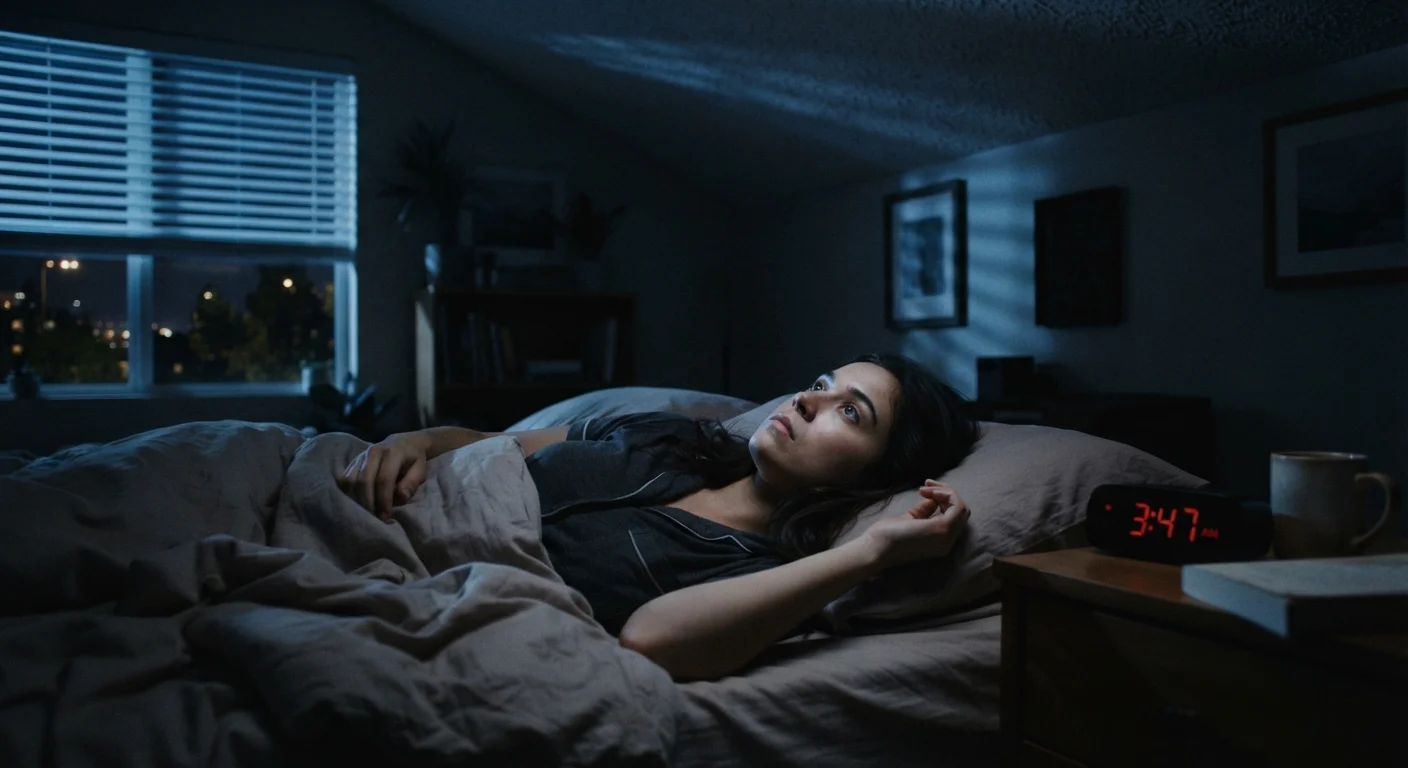
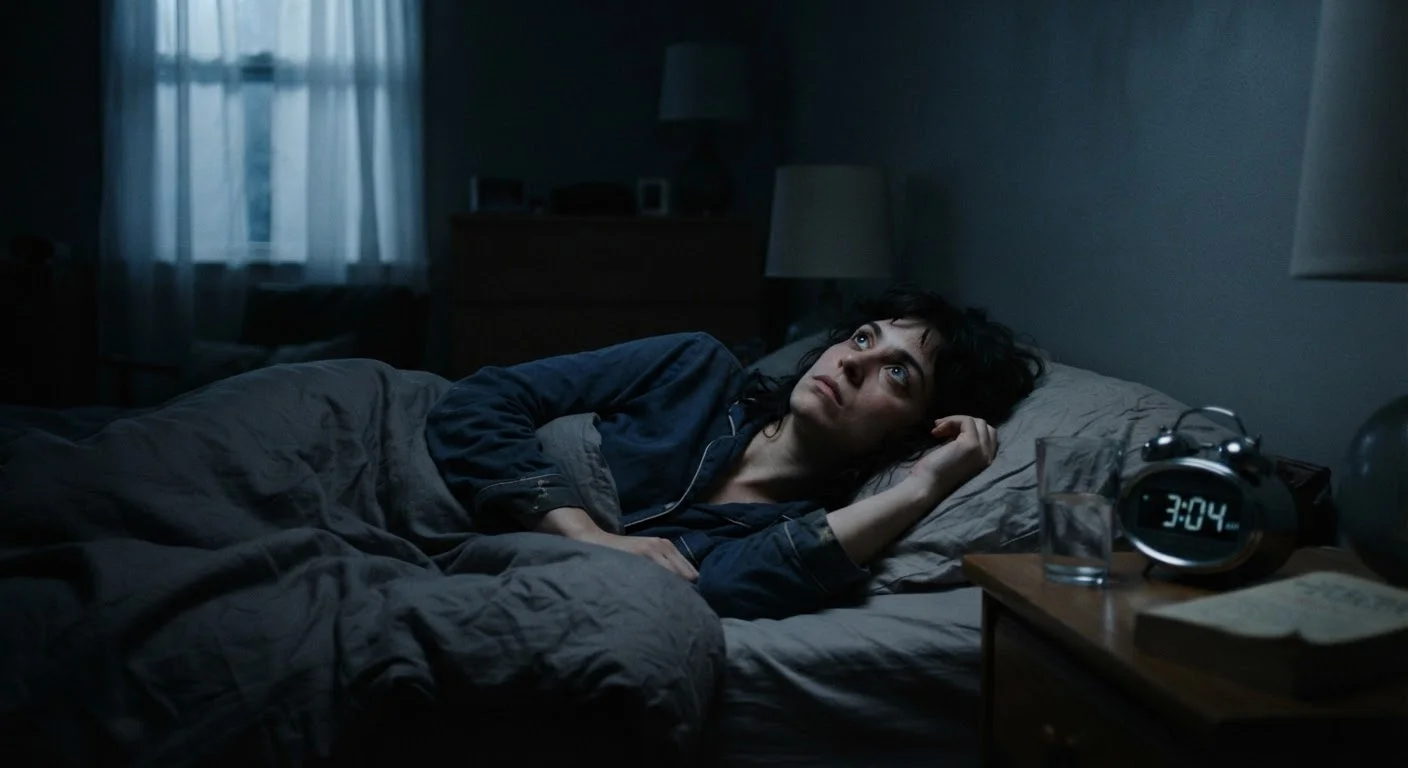
Insomnia is the most frequently reported sleep disorder in the United States. It involves persistent difficulty falling asleep, staying asleep, or waking too early — despite having adequate opportunity for sleep. Chronic insomnia is generally defined as these difficulties occurring at least three nights per week for three or more months. Key patterns include lying awake for 30 minutes or more before sleep, waking multiple times and struggling to return to sleep, and feeling unrefreshed despite a full night in bed. Daytime consequences — fatigue, irritability, difficulty concentrating — are a defining feature, not just a side effect.
Obstructive Sleep Apnea (OSA)
OSA occurs when the upper airway repeatedly collapses during sleep, causing breathing pauses that can last seconds to over a minute. The brain responds by briefly rousing the sleeper, often without their awareness. Hallmarks include loud, chronic snoring; witnessed breathing pauses (often noticed by a bed partner); waking with a gasping or choking sensation; and excessive daytime sleepiness despite seemingly adequate sleep time. Morning headaches and a dry or sore throat on waking are also common. Because OSA frequently goes unwitnessed, many people attribute their daytime exhaustion to other causes for years. Learn more about who is most at risk and why early recognition matters.
Restless Legs Syndrome (RLS)
RLS produces uncomfortable sensations in the legs — often described as crawling, tingling, aching, or an irresistible urge to move — that worsen at rest and improve with movement. Symptoms are typically worst in the evening and at night, directly disrupting the ability to fall asleep. RLS is a neurological condition and is distinct from general leg cramps or positional discomfort.
Circadian Rhythm Sleep-Wake Disorders
These disorders arise when a person's internal biological clock is misaligned with the sleep schedule their environment or responsibilities demand. Delayed Sleep-Wake Phase Disorder — where someone cannot fall asleep until very late and struggles to wake at conventional times — is among the more common variants. Shift workers and frequent travelers may experience related disruptions. The defining feature is that sleep quality itself may be normal; the problem is when sleep occurs relative to social and occupational demands.
Narcolepsy
Though less common than insomnia or OSA, narcolepsy is frequently misidentified. It involves excessive daytime sleepiness and, in some cases, sudden muscle weakness triggered by emotion (cataplexy), sleep paralysis, or vivid hallucinations at sleep onset. People with narcolepsy often report that daytime sleep attacks are involuntary and occur regardless of how much nighttime sleep they get.
Chronic Insomnia
Persistent difficulty falling asleep, staying asleep, or waking too early at least three nights per week for three or more months, accompanied by daytime impairment.
Obstructive Sleep Apnea (OSA)
A disorder in which the upper airway repeatedly collapses during sleep, causing breathing interruptions and fragmented rest, often without the sleeper's awareness.
Restless Legs Syndrome (RLS)
A neurological condition characterized by uncomfortable sensations in the legs that worsen at rest and in the evening, creating a strong urge to move and interfering with sleep onset.
Circadian Rhythm
The body's internal 24-hour biological clock that regulates the timing of sleep, wakefulness, and other physiological processes.
Cataplexy
A sudden, brief loss of voluntary muscle tone — often triggered by strong emotions — that is a hallmark feature of some cases of narcolepsy.
Excessive Daytime Sleepiness (EDS)
A persistent difficulty staying awake or alert during normal waking hours, regardless of nighttime sleep duration, and a key diagnostic indicator across several sleep disorders.
Recognizing Patterns and Seeking Evaluation
No single symptom confirms a sleep disorder — patterns over time matter most. Keeping a brief sleep journal noting bedtime, wake time, nighttime disruptions, and daytime energy levels for two to four weeks can provide meaningful data. Understanding how sleep disorders are diagnosed can help you arrive at any clinical appointment better prepared.
It is also worth noting that common habits like trying to catch up on sleep over the weekend can unintentionally deepen certain disorders. Sleep needs and vulnerability also shift across adulthood — how sleep changes with age is worth understanding as context.
If you recognize a consistent pattern from this guide in your own sleep, consulting a physician or sleep specialist is the appropriate next step. A professional evaluation — not self-diagnosis — is what leads to accurate identification and safe, effective care.
This article is for general informational and educational purposes only and is not a substitute for professional medical advice, diagnosis, or treatment. Always consult a qualified healthcare provider with questions you may have regarding a medical condition or sleep concern.