
What Body Composition Actually Means
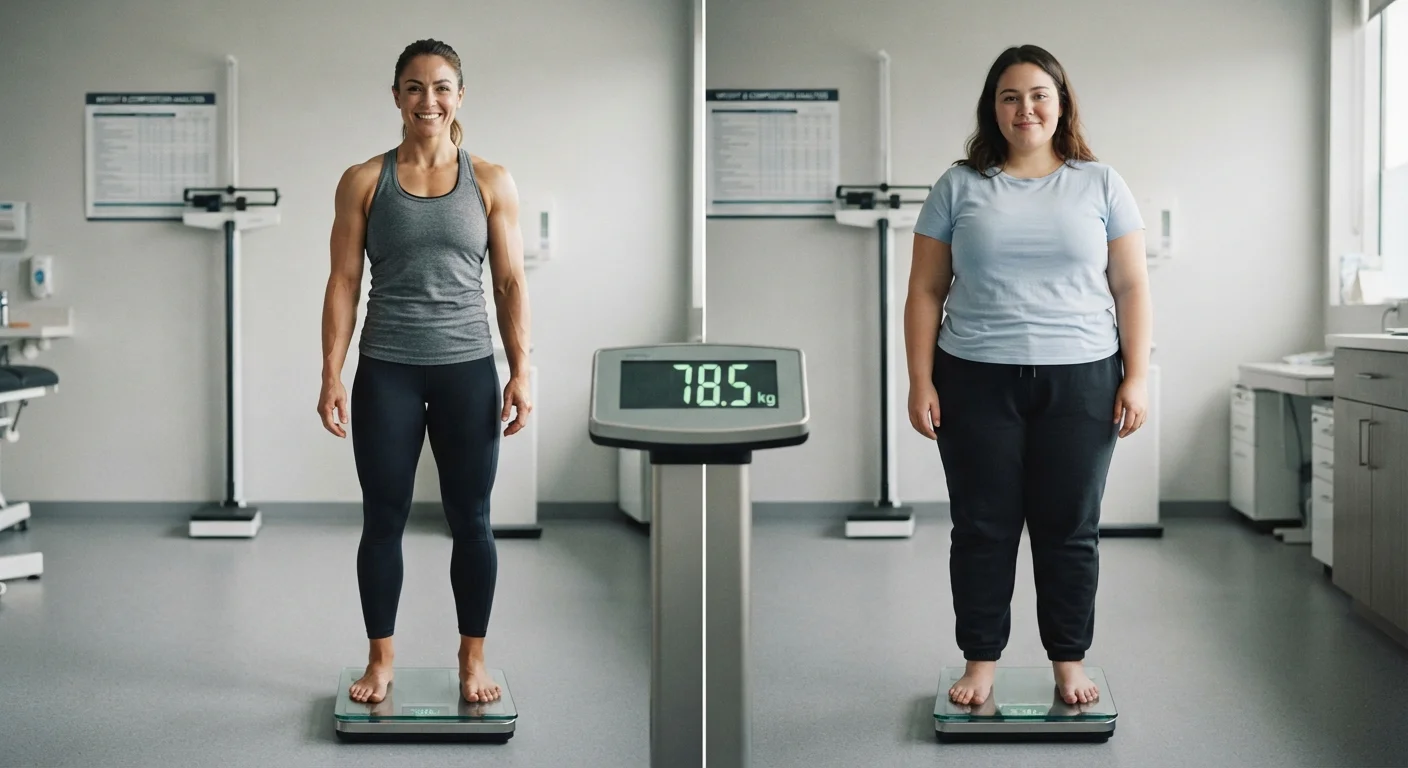
When most people think about their body, they think in terms of weight — a single number on a scale. But that number captures almost none of what actually determines how well your body moves, recovers, and functions day to day. Body composition refers to the proportional makeup of your body across its key tissue types: skeletal muscle, adipose (fat) tissue, bone mineral, and water. These components interact in ways that profoundly shape your physical capacity, metabolic health, and long-term independence.
Two individuals of identical height and weight can have vastly different health profiles based on their muscle-to-fat ratio alone. As explored in our article on why two people at the same weight can have completely different health outcomes, the scale simply cannot distinguish between a pound of muscle and a pound of fat — yet those tissues behave entirely differently inside the body.
Understanding body composition shifts the conversation away from appearance and toward function. Fat percentage, muscle mass, and their distribution across the body are the variables that most directly influence what you can physically do — and how sustainably you can do it. To understand how these components are measured, see our overview of common body composition assessment methods.
The Functional Health Case for Lean Muscle
Skeletal muscle is far more than an aesthetic feature. It is metabolically active tissue that plays a central role in glucose regulation, resting energy expenditure, postural stability, and force production during movement. From carrying groceries to catching yourself after a misstep, functional capacity in everyday life is fundamentally muscle-dependent.
Research consistently shows that higher skeletal muscle mass is associated with better balance, reduced fall risk, faster recovery from illness or injury, and stronger metabolic regulation. Muscle tissue acts as a glucose sink — helping to clear blood sugar after meals — and contributes meaningfully to your resting metabolic rate, meaning more muscle generally supports easier weight maintenance over time.
When assessing your functional fitness progress, track performance metrics — like how many steps you can take without fatigue, or whether a loaded carry feels easier — alongside any body composition measurements. Functional improvements often precede and predict compositional change.
Performance-based markers are more directly tied to functional health outcomes than body weight or even fat percentage alone, and they provide actionable, motivating feedback during the early stages of a training program.
Prioritize spreading protein intake across three or more meals rather than consuming the bulk of it at dinner. Research in muscle protein synthesis consistently supports distributed intake for maximizing muscle retention, especially in adults over 40.
Muscle protein synthesis has a ceiling response per meal; excess protein beyond that threshold is not stored as additional muscle. Distributing intake more evenly across the day maintains a more consistent anabolic signal.
From a movement standpoint, muscular strength underpins the kind of functional fitness that translates directly to real-life tasks — squatting, hinging, pushing, and pulling. Without adequate lean mass, these patterns deteriorate, increasing injury risk and reducing the quality of independent daily living, particularly in older adults.
How Excess Fat Tissue Affects Movement and Capacity
Adipose tissue is not inert. While a healthy amount of body fat is essential for hormone regulation, organ insulation, and energy storage, excess fat — particularly visceral fat stored around abdominal organs — has documented effects on systemic inflammation, cardiovascular strain, and joint loading.
From a purely mechanical standpoint, excess body fat increases the load placed on weight-bearing joints during movement. This raises the energy cost of locomotion and can accelerate wear on structures like the knees and hips. Studies in musculoskeletal research have documented that even modest reductions in fat mass can meaningfully reduce joint compression forces during walking and stair climbing.
Beyond mechanics, visceral fat is metabolically active in ways that impair vascular and respiratory function. Reduced cardiovascular efficiency limits aerobic capacity — the ability to sustain effort over time — which is central to everything from climbing stairs to recreational activity. This is one reason body composition, rather than weight alone, is increasingly recognized as a more clinically informative metric in evidence-based weight management.
Don't Rely on BMI Alone for Health Decisions
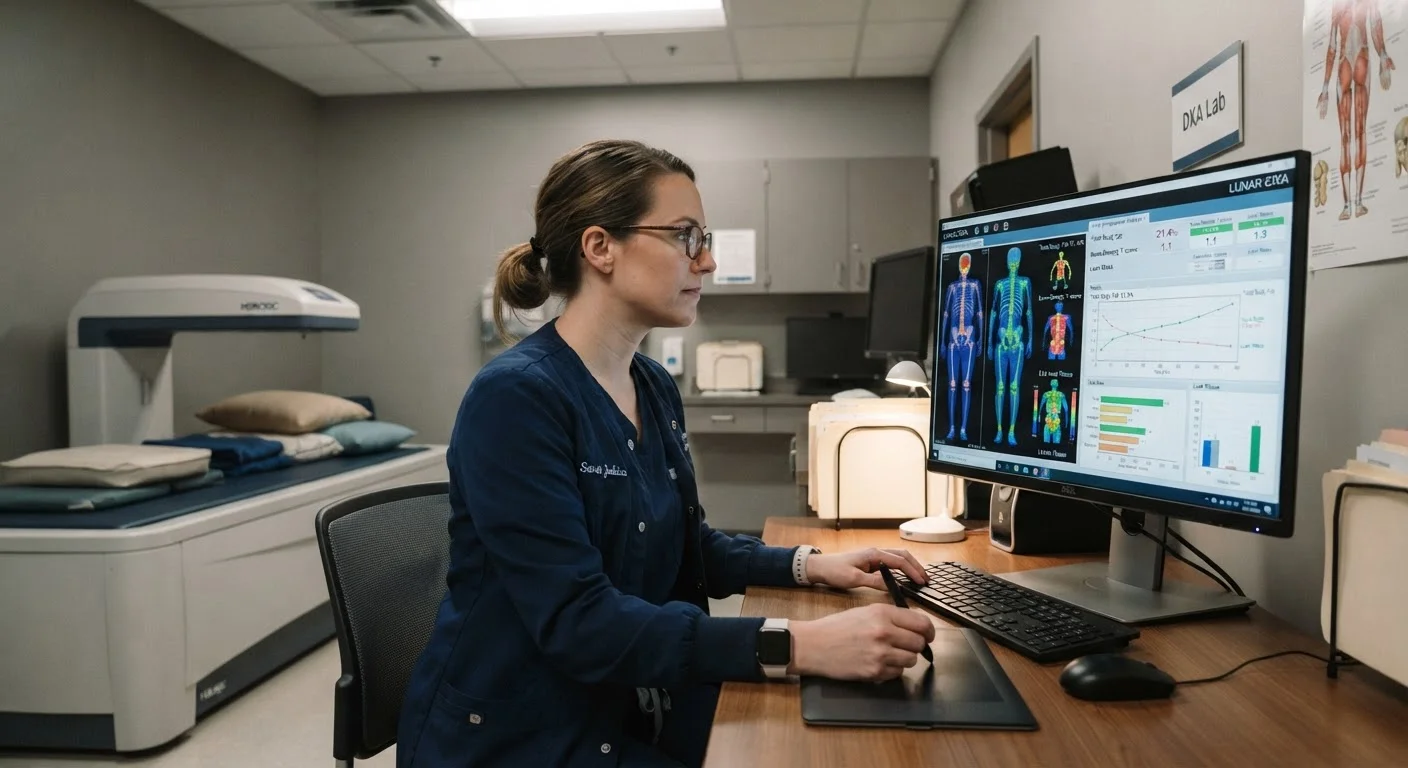
Body Mass Index (BMI) measures weight relative to height but provides no information about muscle mass, fat distribution, or functional capacity. A person with high muscle mass may register as 'overweight' by BMI, while someone with low muscle and high fat may fall in the 'normal' range. Clinical guidance increasingly recommends pairing BMI with direct body composition assessment — such as waist circumference or DEXA scanning — for a more accurate health picture. Always discuss your results with a qualified healthcare provider.
Body Composition Shifts With Age — and Why It Matters
Body composition is not static. Beginning in the third and fourth decades of life, most adults begin experiencing a gradual process called sarcopenia — the age-related loss of skeletal muscle mass and strength. Simultaneously, total fat mass tends to increase even when overall body weight remains relatively stable, because muscle is being replaced by adipose tissue.
This shift has significant consequences for functional independence. Reduced grip strength, slower gait speed, and increased fall risk are among the most well-documented downstream effects. Our detailed overview of how body composition changes through the decades covers the trajectory of these changes and which are within individual influence.
The critical insight is that while some age-related body composition change is inevitable, the rate and severity are substantially modifiable. Individuals who maintain consistent resistance training and adequate protein intake across midlife demonstrate significantly better preservation of lean mass and functional capacity than sedentary peers — evidence that lifestyle factors remain powerful even as biology shifts.
Practical Strategies to Improve Functional Body Composition
Improving body composition for functional health does not require extreme measures. The evidence converges on a relatively consistent set of principles: progressive resistance training, sufficient dietary protein, and sustainable overall energy balance.
Resistance training is the most direct stimulus for maintaining and building skeletal muscle. Compound movements — such as squats, deadlifts, rows, and presses — recruit multiple muscle groups simultaneously and translate well to real-world functional demands. The three pillars of fitness framework — combining strength, cardiovascular training, and flexibility — provides a useful structural starting point for building a well-rounded program.
Dietary protein supplies the amino acids required for muscle protein synthesis. Understanding the role of macronutrients — carbohydrates, proteins, and fats in fueling daily activity is foundational to building a diet that supports body composition goals without unnecessary restriction. General guidance from nutrition research emphasizes distributing protein intake across meals rather than concentrating it in one sitting, as this approach better supports muscle protein synthesis throughout the day.
Consistency over intensity is the principle that most determines long-term outcomes. Incremental, sustained effort — not aggressive short-term interventions — produces durable shifts in muscle-to-fat ratio that translate to lasting functional benefit.
This article is for general informational and educational purposes only and does not constitute medical or dietary advice. Consult a qualified healthcare professional before making changes to your exercise routine, diet, or health management plan.