How Stress Hormones Disrupt Sleep
When your brain perceives a threat — a looming deadline, a difficult conversation, or just a pile of unread emails — it activates the hypothalamic-pituitary-adrenal (HPA) axis. The end result is a spike in cortisol, the body's primary stress hormone. Cortisol is essential for survival: it sharpens focus, mobilizes energy, and keeps you alert.
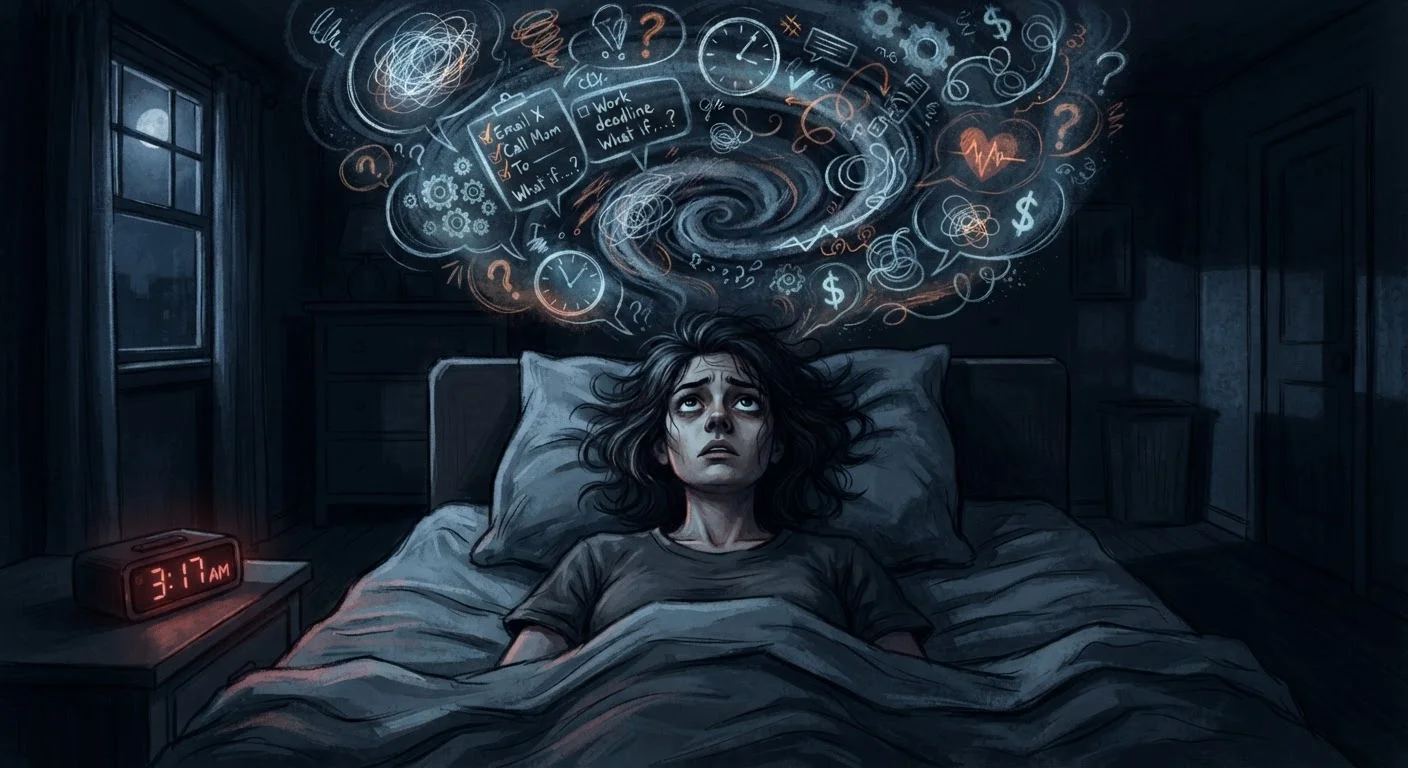
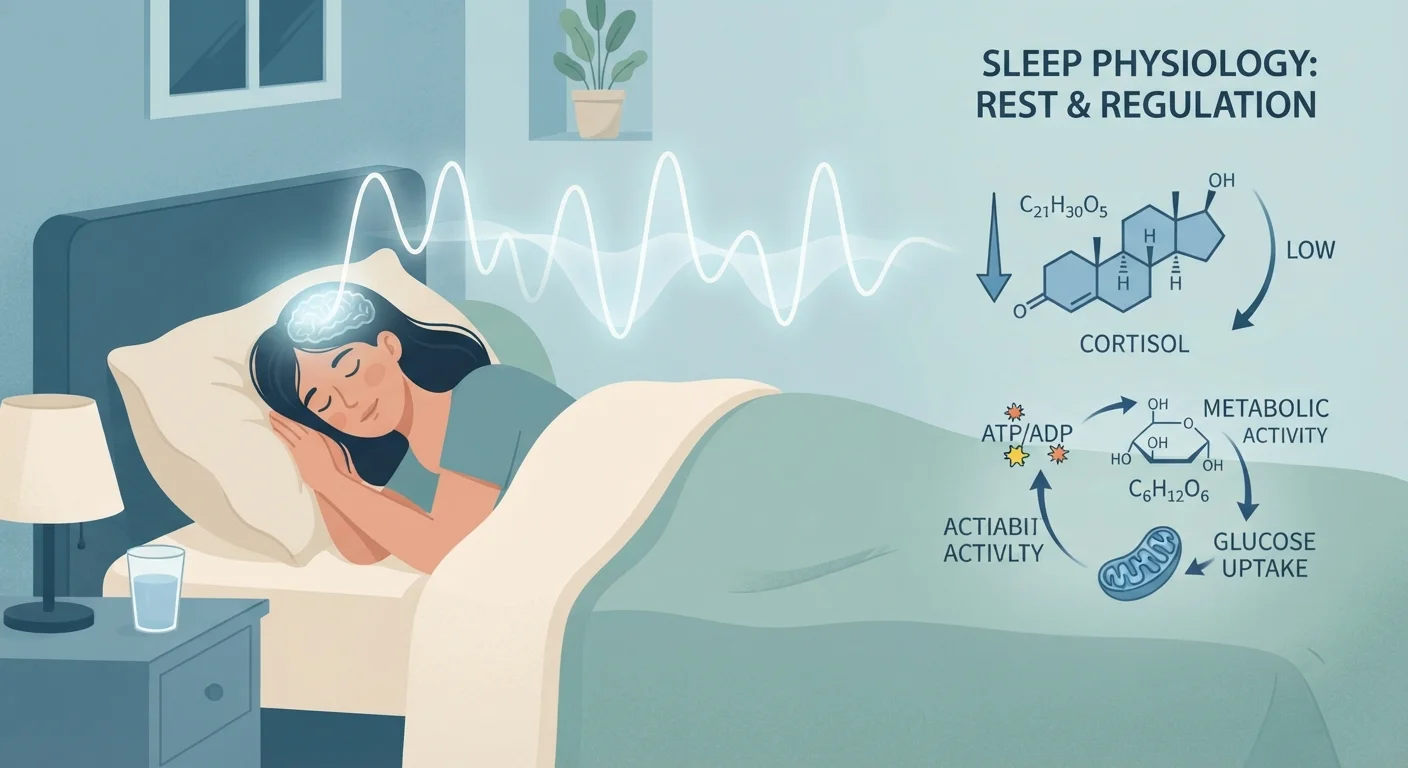
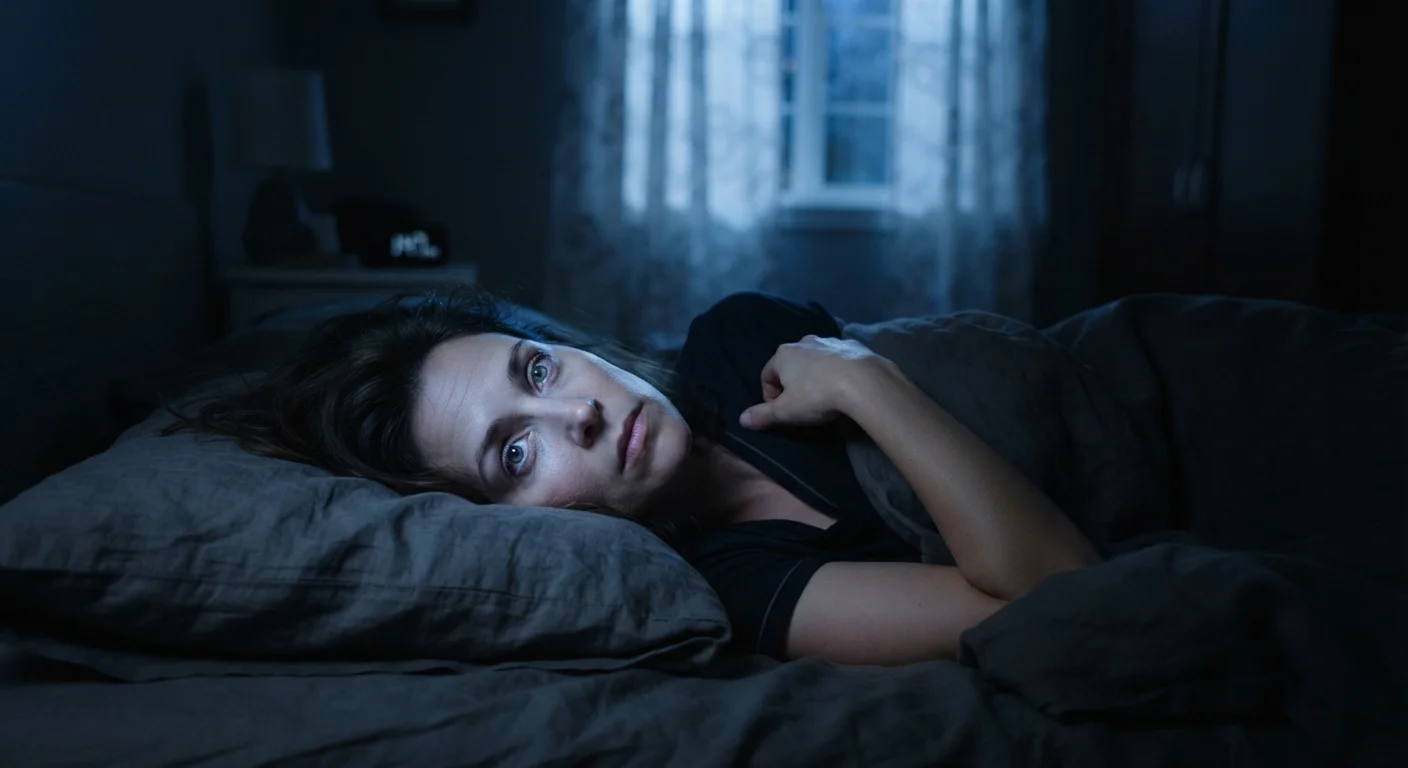
The problem is that cortisol and sleep are fundamentally at odds. Healthy sleep depends on a gradual decline in cortisol through the evening, reaching its lowest point around midnight and rising again just before natural waking. Chronic or evening stress short-circuits this rhythm, keeping cortisol elevated at exactly the hours when your body needs it to drop. The result is a wired, alert feeling that makes falling asleep feel nearly impossible — even when you're genuinely exhausted.
Beyond cortisol, stress also suppresses melatonin — the hormone that signals to your brain that darkness has arrived and sleep should follow. Together, these hormonal disruptions can delay sleep onset, reduce the proportion of deep, restorative sleep, and cause frequent night waking. For a deeper look at how rumination and racing thoughts extend this disruption, see how anxiety disrupts sleep.
How Poor Sleep Amplifies Stress
The relationship doesn't stop there. Sleep deprivation — even a single night of shortened sleep — causes measurable increases in cortisol the following day. A well-cited body of research shows that the brain's amygdala (the region responsible for detecting threats and generating emotional reactions) becomes significantly more reactive after insufficient sleep, amplifying responses to stressors that would otherwise feel manageable.
At the same time, the prefrontal cortex — the brain region responsible for rational thinking and emotional regulation — loses some of its inhibitory control over the amygdala when sleep is poor. In plain terms: you feel more threatened, you react more intensely, and you have fewer internal resources to calm yourself down. That heightened stress then feeds right back into the hormonal disruption described above, completing the loop.
~37%
U.S. adults sleeping less than recommended
The CDC reports that roughly 1 in 3 American adults regularly gets fewer than 7 hours of sleep per night.
60%
Increase in amygdala reactivity after sleep loss
Research published in the journal Current Biology found approximately 60% greater amygdala reactivity to negative stimuli after sleep deprivation compared to well-rested states.
2–3×
Higher cortisol in chronic poor sleepers
Studies on insomnia populations consistently find cortisol levels in the evening and overnight period that are two to three times higher than in good sleepers.
This cycle is also linked to broader health patterns. Chronically elevated cortisol and disrupted sleep together affect how the body manages energy — a relationship explored further in what research says about sleep, stress, and metabolism.
Evidence-Based Habits That Can Help Break the Cycle
The encouraging news is that the cycle, while self-reinforcing, has multiple points of intervention. Research supports a cluster of habits that address both sides simultaneously:
- Consistent sleep and wake times: Going to bed and waking at the same time each day — including weekends — helps anchor your cortisol rhythm. The body's stress-hormone curve is partly driven by your internal clock, so regularity stabilizes it over time.
- Wind-down routines: A 30–60 minute pre-sleep routine that avoids bright screens and stimulating content signals to the HPA axis that the threat period is over. Reading, light stretching, or quiet conversation are common approaches backed by sleep hygiene research.
- Daytime stress management: Mindfulness-based practices, including brief breathing exercises and body scans, have clinical support for reducing evening cortisol levels. The effect isn't instant, but consistent practice over weeks produces measurable change.
- Limiting caffeine and alcohol: Both substances interfere with sleep architecture in ways that compound next-day stress reactivity. Caffeine has a half-life of roughly five to six hours; alcohol fragments deep sleep even when it initially feels sedating.
For a comprehensive set of practical routines, the Better Sleep Habits hub offers evidence-grounded starting points. And if you're interested in how diet intersects with this picture, food, mood, and cortisol covers the emerging research on eating patterns and emotional regulation.
This article is for general informational and educational purposes only and is not a substitute for professional medical advice, diagnosis, or treatment. If you are experiencing persistent sleep difficulties or significant stress, please consult a qualified healthcare professional.