
The Alarm System Your Body Was Born With
Picture this: you're walking along a path and suddenly spot what looks like a snake. Before your conscious mind has time to analyze the situation, your body has already begun to change. Your pulse quickens. Your breath shallows. Your muscles tense. This is the stress response in action — and it happens in milliseconds.
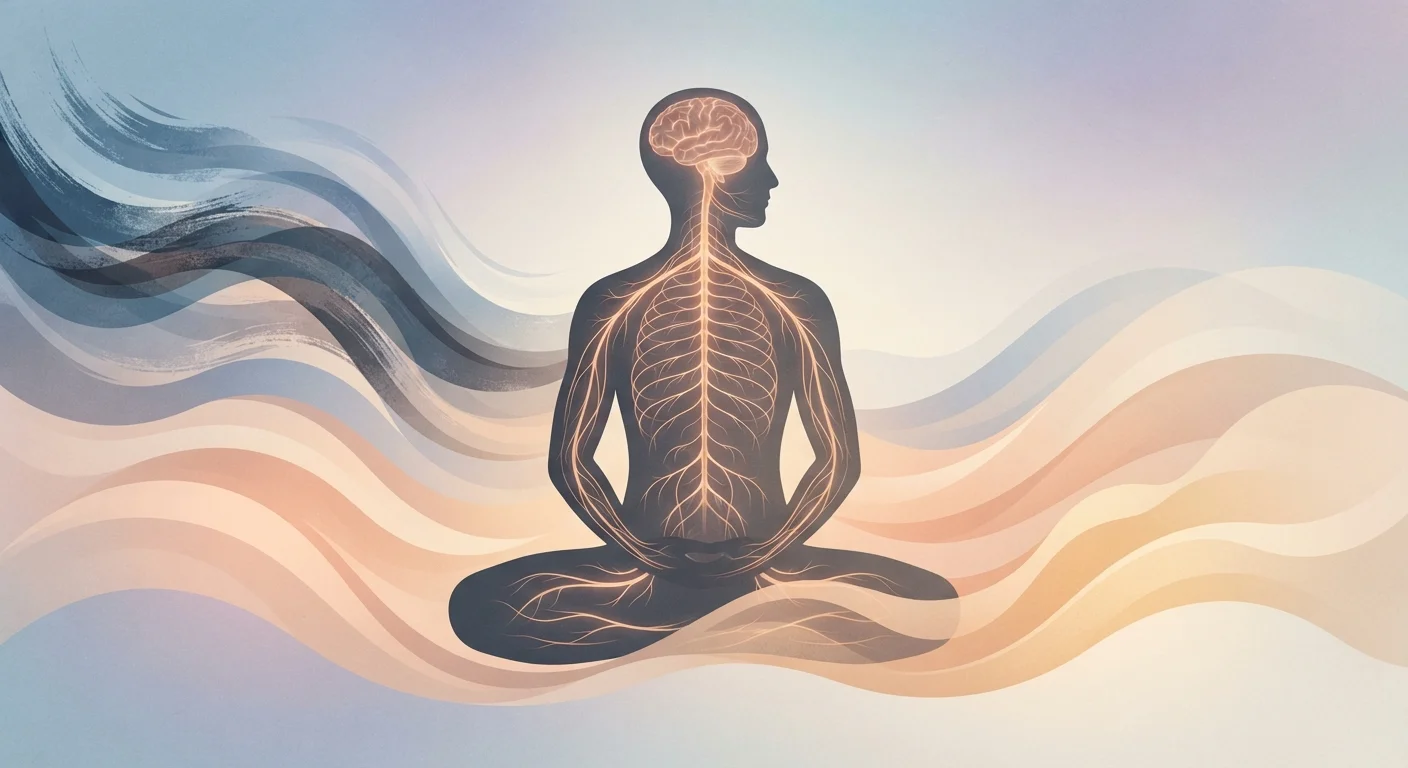
This rapid reaction originates in a small, almond-shaped brain region called the amygdala, which acts as the brain's threat-detection center. The moment the amygdala identifies potential danger, it sends an emergency signal to the hypothalamus, which acts as the command center, communicating with the rest of the body through the autonomic nervous system.
What makes this system remarkable — and sometimes frustrating — is that the amygdala doesn't carefully evaluate whether a threat is real. It reacts first and asks questions later. That's why worrying about an upcoming presentation can trigger the same cascade of physical changes as encountering actual danger. To learn how this connects to a broader picture of wellbeing, see stress from a whole-person perspective.
The Chemical Cascade: What's Actually Happening Inside You
Once the hypothalamus sounds the alarm, the sympathetic nervous system kicks into gear. The adrenal glands — located just above your kidneys — release a flood of adrenaline (also called epinephrine) into the bloodstream. This hormone causes immediate, dramatic physical changes:
- Heart rate increases to pump more blood to muscles
- Breathing quickens to take in more oxygen
- Pupils dilate to sharpen vision
- Digestion slows as energy is redirected away from non-essential systems
- Blood sugar rises to fuel a potential physical response
If the perceived threat persists, the body engages a second hormonal pathway — the HPA axis (hypothalamic-pituitary-adrenal axis). This prompts the adrenal glands to release cortisol, sometimes called the primary stress hormone. Cortisol sustains the body's heightened state over a longer period, keeping blood sugar elevated and inflammation responses primed.
77%
Americans reporting physical stress symptoms
According to the American Psychological Association's Stress in America survey, a large majority of U.S. adults regularly experience physical symptoms they link to stress.
~20 min
Time for cortisol to peak after a stressor
Research in psychoneuroendocrinology shows cortisol typically reaches its highest level roughly 20 minutes after the onset of a psychological stressor.
2–3x
Elevated cardiovascular risk with chronic stress
Studies published in peer-reviewed cardiology journals suggest chronically high stress levels are associated with a two-to-threefold increase in cardiovascular event risk over time.
Understanding this cascade helps explain why stress doesn't just feel psychological — it has very real, measurable effects throughout your entire body. For a deeper dive into those downstream effects, explore what stress does to your body and brain.
Acute Stress vs. Chronic Activation: Why the Difference Matters
Not all stress is harmful. In short bursts, the stress response actually serves you well — it sharpens focus, boosts performance under pressure, and can even strengthen immune function temporarily. This kind of acute stress is a normal part of life that your body is well-equipped to handle.
The concern arises when the response is triggered repeatedly with insufficient recovery time. Chronic stress keeps cortisol elevated for extended periods, which research has linked to disrupted sleep, impaired immune function, digestive problems, and increased cardiovascular risk. Understanding the difference between acute and chronic stress is a key step in protecting your long-term health.
Chronic stress can also influence body weight through appetite changes and fat storage patterns — a connection explored in detail in our article on how stress affects body weight.
This article is for informational purposes only and is not a substitute for professional medical or mental health advice. If you are experiencing symptoms that concern you, please consult a qualified healthcare provider.
Recognizing and Working With Your Stress Response
Awareness is genuinely powerful here. When you can recognize the early signals of your stress response — a tight chest, a racing heart, shallow breathing, muscle tension — you gain a moment of choice rather than automatic reaction.
Several evidence-informed strategies can help activate the parasympathetic nervous system (your body's "rest and digest" counterpart), essentially telling your brain the danger has passed:
- Slow, extended exhales: Breathing out longer than you breathe in stimulates the vagus nerve and signals safety to the brain.
- Grounding techniques: Engaging your senses — noticing five things you can see, four you can touch — can interrupt the amygdala's alarm cycle.
- Regular physical activity: Exercise metabolizes stress hormones and builds resilience in the stress response system over time.
- Consistent sleep: Sleep deprivation lowers the threshold at which the amygdala fires, making the stress response more reactive.
If you're new to monitoring your own stress signals, this guide to stress awareness can help you spot patterns before they escalate. And remember: working with a mental health professional provides personalized strategies that general information simply cannot replicate.