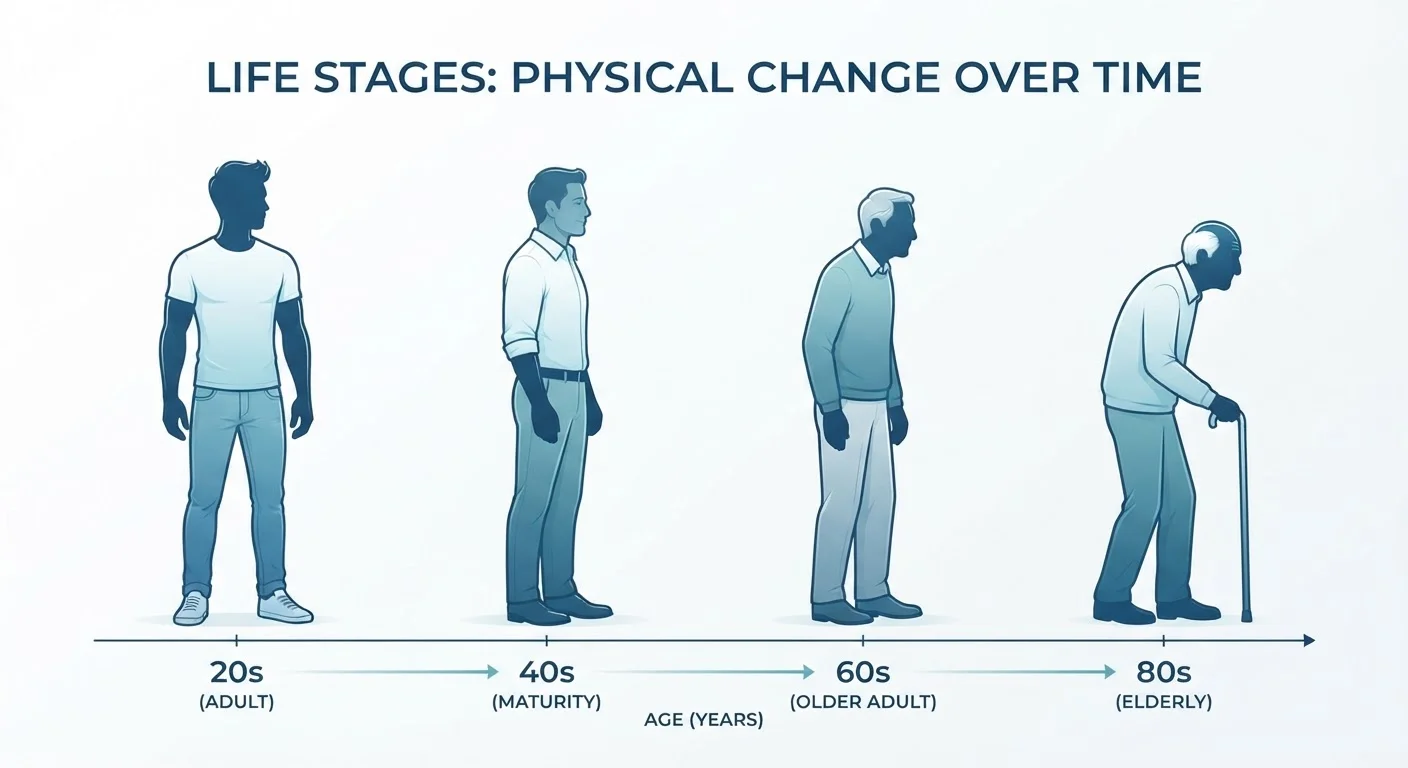

Why Weight Management Is Not a Static Equation
Many people approach weight management as though the rules stay constant — eat less, move more, repeat. But the biology underlying energy balance changes meaningfully from decade to decade. Understanding how metabolism works and what genuinely influences it is the first step toward a more realistic, effective approach.
Body composition — the ratio of muscle to fat — shifts predictably with age. So do hormone levels, sleep architecture, and even gut microbiome composition, all of which influence how the body regulates weight. What worked with minimal effort at 25 may require deliberate strategy at 45, not because of failure or lack of willpower, but because the underlying physiology has changed.
This guide maps those changes decade by decade and translates the science into practical, sustainable strategies.
Your 20s: Establishing the Baseline
For most people, the 20s represent peak muscle mass and a relatively high resting metabolic rate (RMR) — the calories burned at rest. Anabolic hormones like testosterone and estrogen are at their lifetime highs, supporting muscle maintenance and efficient energy use.
This does not mean weight management is effortless in this decade. Lifestyle transitions — college, early career, shifting sleep schedules, and irregular eating patterns — can set habits that compound over time. Research suggests that weight gained in early adulthood tends to persist, making this a critical window for building durable healthy eating habits and consistent movement routines.
Prioritize resistance training in your 20s and 30s even if your weight feels manageable without it — the muscle mass you build now directly supports your metabolic rate in later decades.
Skeletal muscle is metabolically active tissue; preserving more of it through the decades means a higher baseline caloric burn and greater metabolic resilience as anabolic hormones decline.
When assessing progress in your 40s and beyond, track body composition changes — not just scale weight — since muscle gain and fat loss can offset each other on the scale while representing meaningful health improvements.
Research consistently shows that body composition is a stronger predictor of metabolic health than body weight alone, and this distinction becomes increasingly important as age-related muscle loss accelerates.
Strength training in the 20s builds what researchers sometimes call a "muscle reserve" — a buffer against the natural losses that begin later. The movement patterns established now tend to be the easiest to maintain across subsequent decades.
Your 30s and 40s: The Gradual Shift
Muscle loss — clinically called sarcopenia — begins as early as the early 30s, progressing at roughly 3–8% per decade if not actively countered. Because muscle tissue is metabolically active, its decline gradually reduces RMR. This is a primary driver of the weight creep many people notice in their mid-30s even without obvious changes in diet or activity. The full picture of body composition shifts with age is worth understanding in detail.
Life demands also peak during this period — career pressures, childcare, caregiving responsibilities — compressing time for exercise and increasing chronic stress. Elevated cortisol, the primary stress hormone, is associated with increased appetite and preferential fat storage around the abdomen.
Sleep often deteriorates during these years too. Poor or insufficient sleep disrupts appetite-regulating hormones (leptin and ghrelin), making it harder to maintain a stable energy balance. See our guide on how sleep needs shift with age for more context.
Your 50s and Beyond: Hormones, Muscle, and Metabolism
The hormonal transitions of midlife — menopause in women and the gradual decline of testosterone in men — accelerate the body composition changes that began earlier. Declining estrogen in women is associated with a shift in fat distribution toward the abdomen and a further reduction in RMR. These changes are biological, not failures of discipline.
Muscle loss accelerates in the 60s and beyond, and the metabolic consequences compound. For a detailed look at which metabolic changes are inevitable versus modifiable, the evidence is more encouraging than popular narratives suggest.
Bone density, joint health, and balance become increasingly relevant to exercise selection, though physical activity remains as important as ever. The body composition norms for older adults differ from younger decades, and health targets should reflect that.
Strategies That Work Across Every Decade
Despite the biological variability across life stages, several evidence-based principles hold across virtually all of them:
- Resistance training: The most consistently supported intervention for preserving muscle mass and metabolic rate. Current evidence supports two or more sessions per week across all adult age groups.
- Adequate protein intake: Protein supports muscle synthesis and satiety. Needs may increase modestly with age to counteract blunted anabolic signaling.
- Sleep prioritization: Chronic sleep restriction is independently associated with weight gain. Protecting sleep quality has measurable effects on appetite and energy regulation.
- Stress management: Sustained high cortisol promotes fat accumulation, particularly visceral fat. Evidence supports practices like mindfulness, adequate rest, and social connection.
- Realistic expectations: Weight plateaus are a predictable physiological response, not a sign of failure. Understanding why plateaus happen reduces the likelihood of abandoning effective strategies.
It is also worth understanding why weight regain after dieting is so common — the biology of adaptive thermogenesis means the body actively defends against caloric deficits, making gradual, sustainable approaches more effective than aggressive short-term restriction.
For a detailed breakdown of how body composition interacts with health at each stage, that hub is a useful reference.
When to Involve a Healthcare Professional
Weight management intersects with numerous medical conditions — thyroid disorders, insulin resistance, polycystic ovary syndrome (PCOS), cardiovascular disease risk, and more. Changes in weight that are unexplained, rapid, or accompanied by other symptoms warrant medical evaluation rather than self-directed intervention.
A registered dietitian, primary care physician, or endocrinologist can help interpret whether a particular challenge is lifestyle-driven, hormonal, or indicative of an underlying condition. This is especially important for individuals in special populations — those who are pregnant, managing chronic illness, or in older adulthood — where generalized guidance may not apply.
This article is for general informational and educational purposes only and does not constitute medical advice. Always consult a qualified healthcare professional before making significant changes to your diet, exercise routine, or health management approach.